




A Sweet Surprise
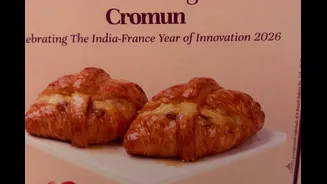
A novel culinary creation, the 'Cromun', has emerged, bravely merging the rich, syrupy sweetness of the cherished Indian dessert, gulab jamun, with the delicate,
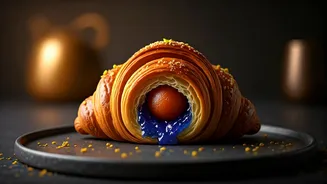
buttery layers of a classic French croissant. This innovative fusion, resulting in a dish that playfully blends two distinct gastronomic traditions, has rapidly captured the attention of social media users. The concept itself is quite straightforward: a soft, decadent gulab jamun is carefully nestled within the flaky, golden-brown pastry of a croissant, creating an entirely new sweet treat. This blending of cultures in a single bite is what has drawn significant attention, prompting discussions about culinary boundaries and the evolution of popular desserts. The appearance of the 'Cromun' signifies a growing trend in fusion cuisine, where familiar flavors are reinterpreted in unexpected ways, challenging traditional notions of what a dessert can be and inviting both excitement and apprehension from those who encounter it.
Online Uproar Begins
The advent of the 'Cromun' has not been met with universal acclaim; rather, it has triggered a significant wave of online controversy and passionate discourse. Many social media users have voiced strong objections to this unconventional pairing, perceiving it as a departure from the authenticity of both the gulab jamun and the croissant. Discussions erupted across various platforms, with individuals expressing dismay, disbelief, and even outrage at the idea of combining these beloved food items. The term 'sacrilege' has been frequently used by critics who feel that this fusion disrespects the heritage and distinct culinary identities of the original dishes. This strong emotional response highlights the deep cultural significance attached to traditional foods and the protective sentiment many feel towards them when they are subject to novel interpretations or experimental treatments. The debate is a testament to how food is intertwined with cultural identity and tradition.
Mixed Reactions Surface
The internet's reaction to the 'Cromun' experiment has been a vivid tapestry of contrasting opinions, showcasing a clear division among food lovers. While a vocal segment has expressed fervent disapproval, labeling the fusion an unwelcome disruption of culinary harmony, another group has shown curiosity and even enthusiasm for the novel combination. Supporters often view fusion cuisine as an exciting avenue for innovation, appreciating the creativity involved in reimagining familiar tastes and textures. They might see the 'Cromun' as an intriguing experiment that offers a unique sensory experience, potentially bringing together the comforting sweetness of gulab jamun with the satisfying crunch of a croissant. Conversely, detractors tend to champion the purity and established excellence of traditional recipes, viewing the 'Cromun' as an unnecessary complication or even a dilution of beloved classics. This polarization underscores the subjective nature of taste and the varied perspectives on what constitutes acceptable culinary evolution.