
The Rise of Comfort
Comfort is predicted to be a cornerstone of fashion in 2026. This means an increasing emphasis on relaxed silhouettes, soft fabrics, and designs that prioritize
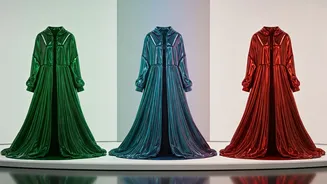
ease of movement. Consumers will gravitate towards clothing that feels good and supports an active lifestyle. Think flowing dresses, oversized sweaters, and tailored tracksuits crafted from luxurious yet comfortable materials. The trend reflects a broader shift towards prioritizing well-being and a rejection of restrictive clothing. Designers will likely explore sustainable and innovative fabrics that combine comfort with environmental consciousness. The practicality and versatility of such garments will appeal to diverse demographics, solidifying comfort as a significant fashion movement.
Sustainable Practices Take Center
Sustainability will be a key driver in the 2026 fashion industry. Consumers will be more conscious of the environmental impact of their clothing choices, leading to a demand for eco-friendly materials and ethical production processes. Brands that embrace transparency and prioritize sustainability will resonate with buyers. This involves using recycled and organic fabrics, reducing waste, and implementing fair labor practices. Circular fashion models, like clothing rental and resale platforms, will also grow in popularity. Fashion houses will invest in technologies that minimize their environmental footprint, such as water-saving dyeing techniques and eco-friendly packaging. Consumers will look for certifications and labels that signal a brand's commitment to sustainability.
Tech Integration and Innovation
Technology will continue to merge with fashion in 2026, offering new possibilities in design, functionality, and consumer experience. Smart textiles will enable clothing to monitor health metrics, adjust to changing weather conditions, and even communicate with the wearer's devices. 3D printing will play a role in creating custom-fit garments and unique designs. Augmented reality (AR) will transform how people shop and interact with fashion, allowing virtual try-ons and immersive brand experiences. The use of data analytics will become more prevalent in identifying consumer preferences and personalizing shopping recommendations. The integration of technology will provide more functionality and personalized experiences to the world of fashion.
Bold Colors and Prints
Expect vibrant colors and eye-catching prints to dominate fashion in 2026. After a period of minimalist aesthetics, a return to bold and expressive styles is anticipated. Bright, saturated hues, such as electric blues, fiery oranges, and vivid greens, will be in the spotlight. Prints, influenced by art, nature, and cultural motifs, will also be prevalent. These prints will appear on everything from dresses and tops to accessories, allowing for personal expression. Mixing and matching different patterns and textures will be a key styling approach. This trend reflects a desire for optimism and creativity, enabling individuals to stand out and showcase their individuality. Designers will experiment with new print techniques and innovative combinations of colors to captivate the eye.
Influence of Global Culture
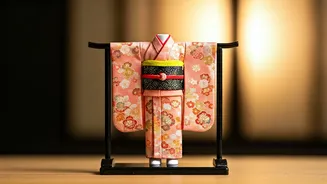
Global influences will shape fashion trends in 2026. Designers will draw inspiration from various cultures, traditions, and art forms worldwide. This includes incorporating ethnic patterns, unique textiles, and silhouettes. Cultural exchange and inclusivity will be at the forefront. Collaborations between designers and artisans from different backgrounds are expected to create a more diverse and globally-aware fashion. Respectful and authentic representation of various cultures will be crucial to avoid cultural appropriation. Fashion will serve as a platform for storytelling and celebrating global heritage. This trend fosters inclusivity and appreciation for the rich diversity of styles and traditions found throughout the world.