



Colour Your Mood
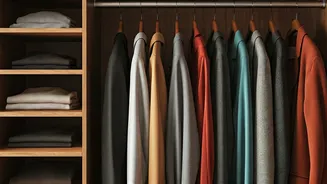
The hues you select each morning wield a profound psychological influence, often underestimated. While dark and muted tones like black, grey, and brown
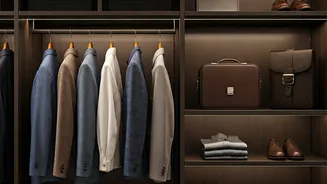
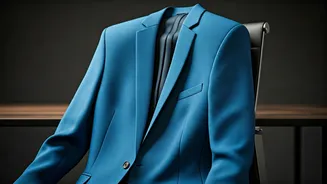
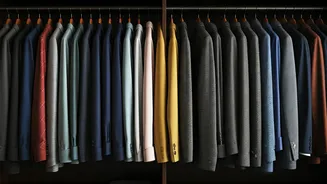
might seem professional and safe, they can inadvertently dampen your spirits, especially after a vibrant holiday period. This reinforces feelings of dullness and fatigue, creating a sense of flatness that mirrors seasonal weariness. Conversely, introducing subtle splashes of colour, even through an accessory like a scarf or a vibrant inner layer, can provide a much-needed psychological uplift without sacrificing professional decorum. Research indicates that colour exposure significantly impacts emotional states, with brighter shades fostering positivity and darker tones potentially reducing mood and energy levels. Therefore, incorporating a burgundy scarf, a cobalt blue blouse, or even colourful footwear can subtly shift your mindset, signaling energy and intention, which effectively counteracts post-holiday sluggishness and promotes a more positive outlook for the workday.
Comfort is Key
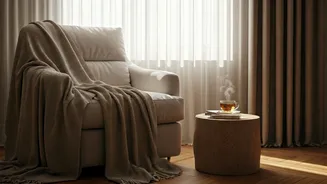
Physical discomfort stemming from your attire can heighten your body's stress response, particularly during stressful transitions like returning to work. Restrictive garments such as tight waistbands, stiff fabrics, and poor breathability can place your body under continuous, low-level strain. When you're already experiencing anxiety about resuming work routines, this physical discomfort is amplified, causing your body to perceive it as an additional stressor. This can lead to increased cortisol levels, leaving you feeling more on edge and less capable of focusing. Moreover, restrictive clothing fosters self-consciousness, as constant adjustments pull your attention away from tasks and exacerbate feelings of unease. The mental burden of managing minor physical discomfort adds to cognitive strain, diverting valuable mental energy that could be directed towards work. Opting for clothing that allows you to move and breathe freely is crucial; comfortable attire should support your well-being, not become another source of stress and distraction.
Strategic Layering
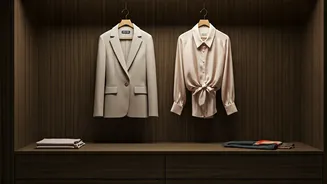
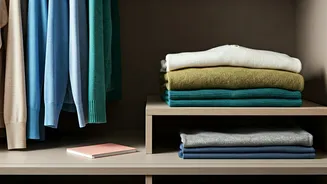
Mastering your layers is directly correlated with your ability to concentrate effectively throughout the day. Improper thermal regulation, whether from over-layering or under-layering, poses significant challenges to mental performance. When you're too warm, you're likely to feel sluggish and irritable, while being too cold leads to distraction and tension. In either scenario, your brain expends more energy attempting to regulate discomfort rather than focusing on the task at hand. Office environments can present unpredictable temperatures, especially during seasonal changes. Excessive heavy layers can cause overheating, leading to mental fogginess, while insufficient layering forces your body to consume energy to maintain its core temperature. Both situations result in reduced productivity and increased frustration. The optimal approach involves strategic layering with breathable, adaptable pieces. Lightweight knits, cardigans, and scarves allow for easy adjustments, maintaining comfort without compromising professional appearance. Natural fibres like cotton, merino wool, and linen blends are superior to synthetic materials for regulating body temperature, ensuring a more stable and comfortable internal environment for sustained focus.
Wardrobe Enhancements
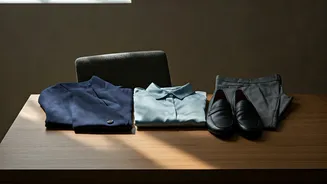
Easing your transition back to the professional sphere doesn't necessitate a complete wardrobe overhaul. Experts suggest implementing small, deliberate adjustments that prioritize psychological comfort alongside professional presentation. Consider 'comfort-first tailoring' by selecting structured pieces with a relaxed fit; tailored doesn't have to mean restrictive. Look for trousers with elastic waistbands, blazers with stretch panels, and shirts cut with ample room for movement. Well-fitted, non-restrictive clothing allows you to feel polished without enduring physical strain. Pay attention to texture and fabric choices, opting for soft, breathable materials like jersey knits, brushed cotton, and ponte fabrics that offer structure without sacrificing comfort, as scratchy or stiff materials can keep you on edge. Finally, make 'small psychological upgrades'—a well-fitting pair of shoes, a cashmere-blend jumper, or a jewel-toned accessory can subtly shift your mood, transforming getting dressed from a chore into an act of self-care and boosting your overall well-being.