





Antibiotic Awareness
Antibiotics, while life-saving in battling bacterial infections, can often be misused. This misuse is a leading cause of harm to the gut. The indiscriminate
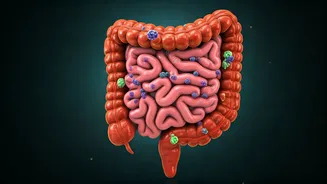
use of these medications can severely disrupt the delicate balance of microorganisms living within the gut. Antibiotics target bacteria, but they do not discriminate between harmful and beneficial ones. When beneficial bacteria are destroyed, it clears the path for less desirable species to thrive, which can lead to various digestive problems. Always use antibiotics only when prescribed by a medical professional. Self-medication or demanding antibiotics for viral infections, such as the common cold, contributes significantly to antibiotic resistance and gut imbalance. Being mindful of when antibiotics are truly needed is the initial step towards safeguarding your gut's well-being.
Consult Healthcare Professionals
Seeking guidance from healthcare professionals is essential before taking any antibiotic. It's the only way to ensure the medication is required and appropriate for your condition. Always discuss your symptoms with a doctor. They can determine if an infection is bacterial or viral and, if bacterial, the best course of action. Following your doctor's advice will help to minimize unnecessary antibiotic exposure, thereby protecting your gut from undesirable effects. Never pressure your doctor to prescribe antibiotics if they believe they are not necessary, as this will lead to inappropriate use. Your doctor is the expert in this regard, and their insights can help you avoid potential issues. The goal should always be to use antibiotics judiciously to maintain your gut's health.
Probiotics: Friendly Bacteria
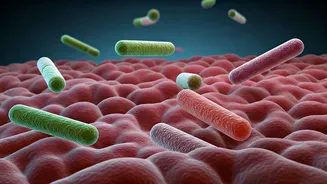
Probiotics are live microorganisms that offer health benefits, particularly for gut health. They can replenish the good bacteria in your gut, which helps counter the effects of antibiotics. During and after antibiotic treatments, consider introducing probiotic supplements or foods rich in probiotics, like yogurt and kimchi. These foods help restore the gut's natural balance by introducing beneficial bacteria. However, it's wise to consult a doctor before starting any probiotic regimen. They can recommend the most suitable strains and dosages. Probiotics can offer relief from antibiotic-related side effects such as diarrhea and bloating. Furthermore, they can help improve your digestive process, reinforcing your gut's health. Adding probiotics to your routine is a proactive method to shield your gut from the effects of antibiotics.
Dietary Fiber Power
Fiber is an essential nutrient that can significantly benefit your gut health, especially during and after antibiotic use. Fiber serves as a prebiotic, which means it feeds the good bacteria in your gut, helping them to thrive. Foods rich in fiber, such as fruits, vegetables, and whole grains, contribute to a healthy gut environment. By consuming a diet high in fiber, you are actively supporting the growth and maintenance of a diverse and resilient gut microbiome. Additionally, fiber aids in promoting regular bowel movements, preventing constipation, which can be a side effect of antibiotic treatment. Including an array of fiber-rich foods in your diet can support the recovery and resilience of your gut.
Fermented Foods: Allies
Fermented foods, like yogurt, kefir, sauerkraut, and kimchi, are great for gut health. These foods are packed with probiotics, the beneficial bacteria that help restore balance in your gut after antibiotic use. Probiotics can replenish the good bacteria wiped out by antibiotics, helping to improve digestion and reduce digestive issues. Adding fermented foods to your diet can significantly boost your gut health. They also provide various vitamins and minerals, supporting overall well-being. Make sure to choose fermented foods without added sugars and preservatives to maximize their benefits. Eating these foods regularly is a simple, effective strategy to fortify your gut.
Hydration: Essential Step
Drinking adequate water is extremely important for your gut health, especially when you are taking antibiotics. Water aids digestion, which helps move food through your system. When you're sick or taking medication, dehydration can become a bigger concern. Antibiotics can cause side effects like diarrhea, which may result in fluid loss. Drinking plenty of water can help maintain a balanced gut environment and ease potential digestive troubles. Always aim to drink at least eight glasses of water daily, especially if you're on antibiotics or dealing with digestive issues. Good hydration is a basic but important aspect of gut health, helping with proper digestion and preventing any adverse effects from medication.
Limit Sugar Intake
Excessive sugar consumption can harm your gut health, especially when you are taking antibiotics. Sugar feeds bad bacteria and yeast in the gut, which can lead to imbalances. When you're on antibiotics, you're already at risk of disrupting your gut flora. Cutting down on sugar helps minimize further disruption. Limit sugary drinks, processed foods, and sweets to reduce the amount of sugar available for harmful bacteria. Try to choose whole, unprocessed foods. This dietary adjustment supports the growth of good bacteria and aids a healthy gut environment. Focusing on a diet low in sugar is a positive measure for protecting your gut during antibiotic treatment and beyond.
Consider Prebiotics
Prebiotics are non-digestible fibers that nourish the good bacteria in your gut, supporting their growth and activity. They are essentially food for probiotics. Prebiotics are naturally found in various foods, such as garlic, onions, bananas, and oats. Incorporating these foods into your diet can help promote a healthy gut environment. Consider taking a prebiotic supplement, particularly if you're taking antibiotics, as this will help your gut recover faster. Prebiotics create an environment where probiotics can flourish, which aids the gut's balance and function. You can create a healthy gut by combining prebiotic-rich foods with probiotics, as they support each other.
Mindful Eating Habits
Eating slowly and mindfully can significantly improve gut health, especially when you're taking antibiotics. Chewing food thoroughly helps in better digestion, allowing your body to absorb nutrients more effectively. Mindful eating also helps in preventing overeating, which could put a strain on your digestive system. Avoid rushing your meals. Instead, focus on your food, savoring each bite. This practice also helps reduce stress, which can negatively affect your gut. By practicing mindful eating, you provide your gut with the support it needs to recover and maintain a healthy environment during and after antibiotic use.
Stress Management Methods
Stress can significantly affect your gut health and has a bigger effect when you're on antibiotics. Stress can disrupt the gut microbiome balance, worsening the effects of antibiotics. Practicing stress-relieving activities is crucial for maintaining a healthy gut. Yoga, meditation, deep breathing exercises, and spending time in nature are excellent strategies for stress management. These activities support your gut’s resilience. By reducing stress, you can help protect the healthy balance of gut bacteria and support recovery after antibiotic use. By incorporating stress management techniques into your routine, you can further safeguard your gut health.