





Preparation is Key
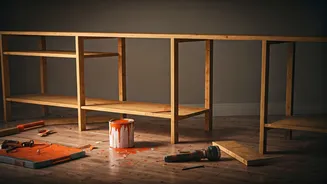
Many DIY enthusiasts underestimate the critical role of thorough preparation, especially in tasks like cabinet painting. Neglecting to adequately clean
and prep surfaces leads to a subpar finish, often due to lingering grease or dirt that paint simply won't adhere to. This oversight requires significant rework, turning a simple painting job into a time-consuming ordeal. Experts emphasize that even affordable home improvements demand meticulous preparation, mirroring the attention needed for more complex renovations. This foundational step, often rushed or skipped entirely, is the bedrock of a successful DIY project. Without it, even the best intentions can result in a finish that is less than satisfactory, demanding extra effort to correct and achieve the desired look. This principle extends beyond painting, applying to many other home upkeep activities where a clean, stable foundation is essential for a lasting result. Proper prep saves time and frustration down the line.
Tool Triumphs
Inadequate tool selection and usage is another prevalent DIY pitfall, particularly noticeable in gardening. Employing blunt pruning shears, for instance, not only makes the task of trimming plants arduous but can also inflict damage, hindering plant recovery and overall health. Horticultural science research, such as a study in 'Horticultural Science,' confirms that appropriate pruning techniques and timely intervention are crucial for plant vigor and faster healing. Using the wrong tools or those in poor condition transforms a manageable chore into a struggle, potentially harming the subject of the project. This applies broadly; a screwdriver used as a pry bar or a dull blade that requires excessive force all contribute to inefficiency and potential equipment damage. Adhering to the recommended use of tools and ensuring they are well-maintained, as advised in various DIY guides, is paramount for both project success and tool longevity.
Mindful Execution
Many DIYers dive straight into a project without adequate planning or considering safety, often influenced by seemingly simple online tutorials. These videos frequently omit crucial steps, such as preparation and safety precautions, making the actual execution more complicated and time-consuming than anticipated. Overlooking these aspects can lead to errors that prolong the process or even result in injury. Furthermore, mental fatigue can significantly impact decision-making during DIY tasks, causing individuals to skip steps, rush through procedures, or opt for quicker, less durable solutions. This decline in cognitive energy, as suggested by research on ego depletion, directly affects the quality and longevity of the work. Remembering to plan thoroughly, prioritize safety, and take breaks is essential for maintaining focus and ensuring a job well done, turning a potentially stressful task into a manageable and satisfying experience.
Finishing Touches Matter
The final details of a home project are often treated as an afterthought, especially when delays occur, but their importance cannot be overstated. Small elements like cabinet knobs, drawer pulls, or under-cabinet lighting significantly enhance both the aesthetics and functionality of a space. These finishing touches, while requiring minimal investment and effort, can dramatically increase a property's perceived value and livability. Beyond aesthetics, strategic upgrades, such as improved insulation or energy-efficient lighting, contribute to long-term ease of maintenance and comfort. Industry reports, like the Houzz & Home Study 2024, indicate that homeowners who invest in such energy-efficient fixtures experience reduced maintenance needs and enjoy a more comfortable living environment. These improvements not only add immediate appeal but also contribute to the overall performance and ease of managing a home over time.