



The Acupuncture Craze
Celebrity endorsements often spark widespread interest in wellness trends. Mira Kapoor recently shared a video showcasing her experience with facial acupuncture,
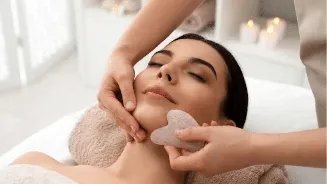
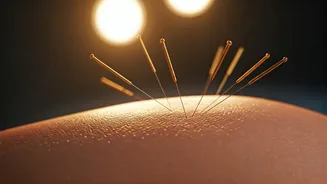
a practice she claims significantly enhances skin appearance. She described the process as painless, emphasizing the fine needles used, and stated that the treatment leads to lifting and tightening of the skin, improved blood flow, increased collagen production for firmer skin, a reduction in fine lines, and even benefits for acne. Kapoor highlighted the holistic nature of acupuncture, noting how it addressed an old neck injury through facial treatment, demonstrating its systemic approach. This personal endorsement has drawn attention to cosmetic acupuncture as a potential natural alternative for skin rejuvenation.
Dermatologist's Perspective
While celebrity testimonials can be compelling, a professional dermatological viewpoint offers crucial context. Dr. Meenu Malik, a dermatologist, acknowledges that some minor studies and individual accounts suggest facial acupuncture could potentially boost circulation, stimulate collagen, and alleviate muscle tension, leading to temporary skin improvements. However, she cautions that robust, large-scale clinical evidence supporting these claims is lacking, preventing it from being considered a standard dermatological treatment. Dr. Malik clarifies that facial acupuncture isn't a primary solution for issues like significant skin laxity, pigmentation irregularities, severe acne, or deep acne scars, which typically require more targeted medical interventions and evaluations.
Understanding the Technique
Facial acupuncture, rooted in Traditional Chinese Medicine, is categorized as a complementary or alternative therapy. Its core principle involves inserting ultra-fine needles into specific points on the face and body to restore energetic balance and stimulate physiological responses in nerves, muscles, and connective tissues. While proponents suggest it can address concerns like fine lines, minor sagging, and dullness, and even promote relaxation to help with stress-related skin issues, the scientific backing is still developing. A typical session, lasting 30 to 60 minutes, is usually performed by a trained practitioner and may involve mild sensations like tingling or slight discomfort, though significant pain is uncommon.
Beyond Acupuncture
It's vital to differentiate facial acupuncture from established medical aesthetic procedures like Botox, dermal fillers, and laser therapy. Botox targets dynamic wrinkles by relaxing specific facial muscles, while fillers restore lost volume by plumping the skin. Laser treatments, on the other hand, address issues such as pigmentation and scars by delivering controlled energy to remodel collagen. These methods have undergone extensive medical study and generally yield predictable results. In contrast, facial acupuncture is often viewed more as a supportive wellness practice rather than a direct substitute for these clinically validated treatments. Its effects are generally considered more subtle, potentially resulting in a refreshed appearance or reduced puffiness for some individuals.
Who Should Avoid
Facial acupuncture is not universally suitable, and certain individuals should refrain from undergoing the procedure. Dermatologists advise against it for those with active skin infections, severe acne breakouts, bleeding disorders, or uncontrolled chronic medical conditions. Furthermore, individuals taking anticoagulant or antiplatelet medications, such as aspirin or warfarin, must consult their healthcare provider before considering acupuncture. Pregnant women and individuals with pre-existing health concerns may also require specific medical clearance. Dr. Malik urges consumers to be wary of jumping on cosmetic acupuncture trends solely based on celebrity endorsements, stressing that outcomes and safety are heavily dependent on practitioner expertise, hygiene standards, and proper patient assessment.