






Visions of the Dying
In the closing stages of life, many individuals facing terminal illnesses report experiencing extraordinarily vivid dreams and apparitions. These profound
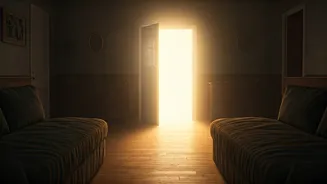
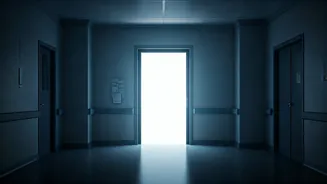
inner experiences, often occurring in the last days or even hours before death, have become a significant area of scientific and compassionate inquiry. Researchers have found recurring patterns within these end-of-life dreams and visions (ELDVs). A notable Italian study, involving nearly 240 palliative care professionals, highlighted prevalent themes such as encounters with departed family and friends, the presence of radiant light, and symbolic imagery of doorways and staircases. These recurring motifs suggest a common tapestry of inner experience that may serve a crucial purpose as individuals navigate their final journey, offering a unique lens through which to understand the human experience of mortality.
Comforting Departed Souls
A significant aspect of end-of-life dreams involves the comforting presence of loved ones who have already passed away. These visions often depict reunions, with patients feeling a profound sense of connection and peace as they interact with deceased family members and friends. This theme is consistently observed across different care settings. For instance, earlier research conducted in US hospice environments found that dreams featuring deceased acquaintances were the most frequently reported, often increasing in frequency as death drew nearer. Healthcare professionals involved in end-of-life care have recognized the relational significance of these ELDVs, noting how they can facilitate deep emotional and existential dialogue in ways that ordinary conversation cannot. One poignant example shared by a professional involved a patient dreaming of their deceased husband saying, 'I’m waiting for you,' which was interpreted as a powerful symbol of inner peace and acceptance of their impending death.
Symbolic Journeys and Transitions
Beyond encounters with loved ones, end-of-life dreams frequently feature powerful symbols of transition and passage. Imagery such as bright, guiding light, open doorways, and ascending staircases are commonly reported, all seemingly representing a movement from one state of being to another. These visions are not mere figments of an ailing mind but are interpreted by researchers as having a profound psychological and even spiritual function. They are thought to act as coping mechanisms, helping individuals feel less alone and more prepared to embrace the unknown. One moving account described a patient envisioning themselves 'climbing barefoot toward an open door filled with light.' Other serene visions, like 'a white horse galloping along the shoreline,' further underscore the sense of peace and natural progression these experiences can bring, aiding patients in their journey towards letting go with a greater sense of accompaniment and reduced fear.
Distressing Visions and Needs
While many end-of-life dreams and visions offer solace, it is important to acknowledge that some can be distressing. These unsettling experiences, which might include frightening figures or images reflecting deep-seated anxieties about dying, are not to be dismissed. According to the Italian study's authors, such distressing visions can serve as critical indicators of unmet clinical or emotional needs. They suggest that these experiences should be taken seriously by healthcare providers and caregivers, rather than being disregarded as mere delusions or hallucinations. Recognizing and addressing the underlying issues that might manifest in frightening visions is a vital component of comprehensive end-of-life care, ensuring that all aspects of a patient's well-being, including their inner emotional landscape, are tended to with sensitivity and respect during their final days.