







Kitchen Essentials Renewal
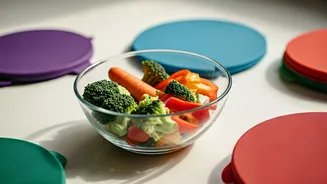
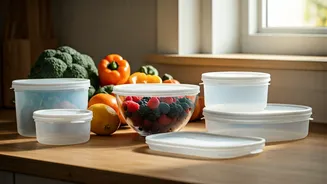
The kitchen, being a hub of food preparation, demands particular attention to hygiene, making it vital to monitor the lifespan of items utilized within
it. Sponges and dishcloths, for instance, should be replaced approximately every 15 days, which is key to avoid the buildup of bacteria and maintain cleanliness. Cookware, depending on the material of the item, can last up to 5 years, providing it is well cared for, emphasizing the value of proper maintenance. Lastly, the spices utilized in cooking, warranting attention as well. The best practice is to check their expiry dates to ensure the flavor and safety of the food being prepared.
Bathroom Hygiene Updates
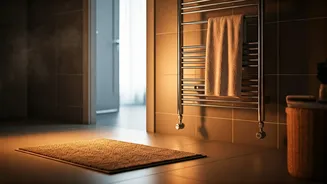
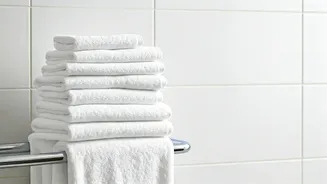
The bathroom is another area where items require regular replacement to preserve cleanliness and prevent the spread of germs. Toothbrushes are a prime example, needing to be swapped out every 3 to 4 months. In the same vein, loofahs should be replaced every 2 to 3 months, offering a fresh and sanitary experience. Toilet brushes are recommended to be exchanged every 6 to 12 months, which is critical to keep the space sanitized. Towels should be replaced every 1 to 2 years, contributing to the overall hygiene and comfort in the bathroom. The timely replacement of these products is crucial for maintaining a healthy and refreshing bathroom environment.
Bedroom Comfort Refresh
The bedroom, a space dedicated to rest and relaxation, also needs consideration when it comes to replacing items to ensure comfort and hygiene. Pillows should be replaced within 2 years to maintain their shape and prevent the buildup of allergens. Bedsheets, another essential item for comfort, should be replaced every 2 to 3 years, depending on the quality of the item. This ensures that the sleeping environment stays fresh and conducive to rest. Mattresses, a significant investment for comfort and health, have a longer lifespan, needing replacement within 8 to 10 years, which offers the user comfort and support. These practices are all part of maintaining a healthy sleeping environment.
Larger Home Items
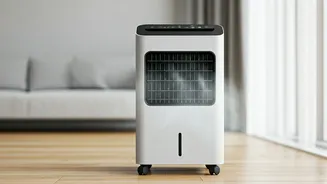
Beyond the smaller items, certain larger elements in the home require planned replacement. Big appliances and furniture are expected to last between 10 to 15 years, requiring less frequent but substantial replacements. These items are integral to the home’s function and aesthetic, with their longevity depending on the quality, usage, and maintenance practices. The lifespan of these appliances is a factor in managing home upkeep costs. Planning for their eventual replacement ensures that the home continues to function at its best, and contributes to the well-being of the inhabitants. By following the advised timelines, you can effectively maintain a fresh, healthy, and comfortable living space.