








Subtle Early Indicators
Many parents underestimate the initial signs of heat-related illness in children, often mistaking them for typical summer fatigue or minor ailments. Unlike
sudden collapses, heat-related issues typically manifest subtly, beginning with behavioral and energy shifts. These early changes, such as a child becoming unusually quiet, less active, or showing a sudden disinterest in their usual playful routines, can be easily attributed to factors like a restless night's sleep or a common cold. However, these seemingly minor deviations in a child's energy levels and disposition can be the first indicators of heat exhaustion or an electrolyte imbalance. Pediatric experts consistently highlight that children are inherently more susceptible to heat than adults due to their faster metabolic rates, quicker fluid loss, and a delayed sensation of thirst. Therefore, it is crucial for caregivers to recognize that a child's reduced activity or increased irritability, rather than being dismissed, warrants careful attention as it may signal the onset of dehydration or overheating even before more overt symptoms emerge.
Overlooked Warning Signals
Several critical warning signs of heat-related distress in children are frequently overlooked by parents. A primary symptom that often goes unnoticed is a significant drop in a child's usual energetic demeanor; they may begin to prefer resting or lose interest in activities they typically enjoy. This diminished activity, especially during periods of high temperatures, is a strong indicator that deserves prompt attention. It could point towards dehydration or an imbalance of essential electrolytes, well before any visible signs of distress become apparent. Another commonly missed signal is a child's increased irritability. A child affected by heat might become unusually cranky, emotionally unstable, or excessively drowsy throughout the day. Some may also experience a loss of appetite or complain of headaches, particularly after returning home from school. In infants, the signs of dehydration can be even more subtle, manifesting as excessive crying, a refusal to feed, dry lips, or a noticeable decrease in the frequency of wet diapers, all of which can be easily misinterpreted.
Misinterpreted Vomiting & Fever
Vomiting and fever in children during hot weather are frequently misdiagnosed, leading to delayed or incorrect treatment. A substantial number of children admitted to hospitals with vomiting are not suffering from food poisoning as commonly assumed, but are instead experiencing symptoms of overheating. Vomiting associated with heat exposure often occurs after extended periods spent outdoors, participating in school activities, strenuous sports, traveling in poorly ventilated vehicles, or prolonged sweating. The context surrounding the vomiting episode is therefore paramount for accurate diagnosis. Similarly, fever can be misleading. Heat exhaustion itself can elevate a child's body temperature, accompanied by symptoms like flushed skin, nausea, headaches, and lethargy. It is important to differentiate this from a persistent high fever, which may indicate a more serious condition. Furthermore, any significant changes in a child's behavior, the onset of seizures, difficulty in breathing, or a lack of responsiveness are critical indicators that require immediate medical evaluation and should not be disregarded or waited out.
Indoor Heat Exposure Risks
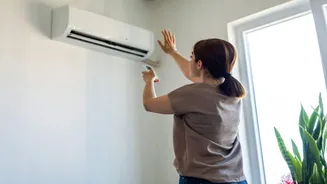
There is a growing clinical concern regarding the risks of heat-related illnesses that can occur even indoors, a fact many parents tend to overlook, associating heatstroke solely with direct sunlight. A child can become significantly dehydrated and overheat within enclosed spaces, such as overcrowded rooms, school buses, or even during power outages at night. Extended periods of poor sleep in a hot, unventilated environment can leave a child fatigued, irritable, and unwilling to eat the following day, exacerbating the risk of heat-related ailments. This underscores the importance of maintaining a cool and well-ventilated indoor environment, especially for vulnerable children, to prevent them from succumbing to heat stress even when they are not directly exposed to the sun's rays.
Hydration Beyond Water
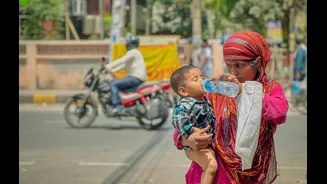
A common misconception is that a child is adequately hydrated if they are drinking plain water, but this is often insufficient during intense heat. Children engaging in outdoor activities lose not only water but also vital electrolytes through sweat. Consuming only plain water replenishes fluids but leaves these lost electrolytes unreplaced, which can lead to imbalances. During heatwaves, parents are strongly advised to proactively encourage fluid intake, rather than waiting for a child to express thirst. This is particularly crucial for school-going children involved in sports or other outdoor activities. Key warning signs to monitor include dark yellow urine, infrequent urination, dry lips, feelings of dizziness, headaches, or unusual tiredness accompanied by muscle cramps, all of which signal a need for more comprehensive hydration strategies.
When to Seek Help
Heatstroke represents the most severe complication of heat-related illness and is a critical medical emergency that can rapidly impact vital organs such as the brain and kidneys. Parents must seek immediate medical attention if a child exhibits any of the following severe symptoms: persistent vomiting or an inability to keep fluids down, signs of confusion or disorientation, fainting spells, extreme drowsiness, difficulty breathing, seizures, or a significant reduction in urine output. These symptoms indicate a life-threatening situation requiring urgent professional medical intervention to prevent irreversible damage.
Effective Prevention Strategies
Preventing heat-related illnesses in children primarily involves implementing straightforward, proactive measures. It is essential to encourage children to drink fluids regularly, even before they feel thirsty, and to offer electrolyte-replenishing drinks like ORS, lemon water, coconut water, or buttermilk, especially during outdoor activities. Scheduling outdoor play between 11 am and 4 pm should be avoided whenever possible. Ensuring adequate ventilation indoors, whether by opening windows and doors or using fans and air conditioning, is crucial for comfortable sleep. For infants, maintaining frequent breastfeeding and avoiding overly warm clothing are important. Critically, children should never be left unattended inside a parked vehicle, even for a short duration, as temperatures inside can rise to dangerous levels very rapidly.