
Initial Considerations
Embarking on a zero-oil or zero-fat diet brings about crucial questions concerning its effects on health. Oils and ghee are frequently curtailed in diets
aimed at weight reduction, yet these foods are also sources of essential nutrients. When making such significant dietary adjustments, it's vital to consider the potential nutritional gaps. Understanding the role of fats in bodily functions is important. Fats contribute to hormone production, aid in absorbing vital vitamins like A, D, E, and K, and provide the body with energy. Therefore, the complete elimination of fats from the diet can lead to several health complications. It is imperative to comprehend the potential benefits and drawbacks associated with this dietary approach to make choices that support overall well-being. This requires a balanced perspective that acknowledges both the possible advantages of fat restriction and the risks involved with eliminating them entirely.
Nutrient Deficiencies Risks
One of the primary concerns related to zero-oil or zero-fat diets is the potential for nutrient deficiencies. Ghee and oils are sources of fat-soluble vitamins, which the body cannot absorb without the presence of dietary fats. Vitamin A is crucial for vision, immune function, and cell growth; vitamin D aids calcium absorption and bone health; vitamin E acts as an antioxidant, and vitamin K plays a role in blood clotting. Depriving the body of these nutrients can cause different health problems. Additionally, fats provide essential fatty acids, such as omega-3 and omega-6, which the body cannot produce on its own. These fatty acids are vital for brain health, heart health, and reducing inflammation. A lack of these can cause issues such as cognitive decline, cardiovascular problems, and increased inflammatory responses. The absence of sufficient fat intake can lead to a compromised immune system, leading to greater susceptibility to illnesses, as these are dependent on the vitamins derived from fats.
Healthy Dietary Alternatives
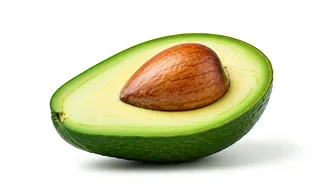
If you are reducing or eliminating ghee and oils, it is vital to incorporate healthy alternatives to ensure you get all the nutrients your body requires. Consider focusing on nutrient-dense foods, which are rich in essential nutrients but low in unhealthy fats. This involves including various vegetables and fruits in your diet. Consume plenty of lean protein sources, such as fish, chicken, and legumes. These provide essential amino acids without excess saturated fats. Including nuts and seeds in moderate amounts gives you healthy fats, along with vitamins and minerals. Regularly incorporating avocados into your diet provides good fats and fiber. Cooking methods also play a huge role. Opt for healthier cooking methods, such as baking, steaming, or grilling, instead of frying foods. This helps minimize the intake of unhealthy fats and calories. By making informed food choices and adapting cooking styles, it is possible to maintain a balanced diet that supports overall health while still limiting ghee and oil.
Signs of Deficiency
When the body lacks sufficient fats, there are certain signs. Recognizing these is crucial for promptly adjusting your diet. Vitamin deficiencies often cause visual disturbances, such as difficulty seeing in low light. Bone health can be affected due to a lack of vitamin D, leading to increased bone fragility. The skin might become dry, and hair can become brittle due to lack of essential fatty acids. Fatigue and weakness are also common symptoms. Cognitive functions may be impaired because essential fatty acids are vital for brain health, which can lead to problems with concentration and memory. Individuals may experience changes in mood and increased irritability. If any of these symptoms appear, seek medical guidance and possibly increase the intake of healthy fats. Getting professional advice can help you determine the optimal amount of fats you need to lead a healthy life.
Ghee vs. Oils
Understanding the differences between ghee and oils is important when making dietary choices. Ghee, a clarified butter, has a high smoke point and is often used in Indian cooking. Compared to oils, ghee is free from lactose and casein, making it a better option for people with sensitivities to dairy. It contains saturated fats, but it also provides butyric acid, which is believed to have anti-inflammatory effects and promote gut health. Common cooking oils include olive oil, coconut oil, and sunflower oil, each with its own characteristics. Olive oil is rich in monounsaturated fats and antioxidants, supporting heart health. Coconut oil contains saturated fats but also medium-chain triglycerides, which the body can process differently. Sunflower oil is a source of vitamin E and omega-6 fatty acids. The best choice of fat depends on your health goals and personal preferences. While both can be part of a healthy diet in moderation, it's important to understand their unique nutritional profiles and benefits.
Consulting Experts
Before starting a zero-oil or zero-fat diet, consulting with healthcare professionals is highly recommended. A registered dietitian can assess your current dietary habits, identify potential nutritional gaps, and create a personalized eating plan. They will consider your health history, lifestyle, and individual needs to give recommendations. Your doctor can conduct blood tests to evaluate your vitamin and fatty acid levels. This ensures that any dietary changes align with your overall health goals. They can provide advice on managing potential risks and help you create a safe, sustainable approach to your diet. They will track your progress and make any necessary adjustments along the way. Consulting with experts helps in making informed decisions about your dietary choices. Following these guidelines is important for ensuring that the body receives the necessary nutrients and support for a healthy lifestyle.