



Understanding Stress's Grip
In today's fast-paced world, stress has become an ever-present companion rather than an occasional visitor. Chronic stress, stemming from deadlines, digital
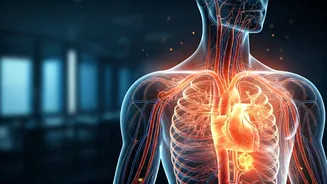
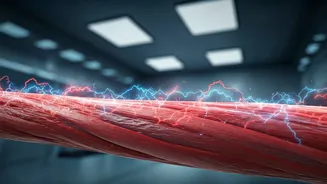
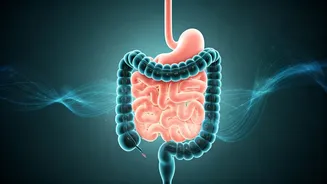
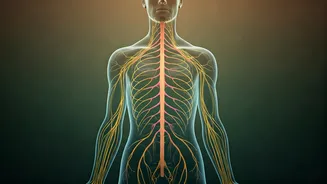
overload, and emotional pressures, keeps our sympathetic nervous system in a perpetual state of alert, often referred to as the 'fight-or-flight' response. Medically, this is triggered when the brain perceives a threat, leading to the release of adrenaline and cortisol. While short bursts of these hormones can be beneficial, sustained high levels negatively impact sleep, immunity, digestion, and emotional well-being. Chronically elevated cortisol can impair the prefrontal cortex, responsible for logic, and empower the amygdala, the fear center, resulting in anxiety, irritability, and brain fog. The yogic philosophy views stress as a disharmony between the body, breath, and mind, describing it as fluctuations of consciousness. When the mind is consumed by past regrets or future anxieties, breathing becomes shallow and irregular, leading to physical tension. This imbalance disrupts the natural harmony, and to counteract it, we must consciously shift from the sympathetic mode to the parasympathetic, or 'rest and digest,' mode.
Cat-Cow Spinal Flow
Begin your nervous system reset with the gentle yet effective Cat-Cow pose, known in Sanskrit as Bitilasana-Marjarasana. This simple movement, performed on your hands and knees, synchronizes breath with physical motion. As you inhale, gently arch your back, allowing your belly to drop, and lift your gaze towards the ceiling – this is the Cow pose. Then, on your exhale, round your spine towards the sky, tucking your chin to your chest, resembling a cat. This practice effectively lubricates the entire length of your spine, releasing built-up tension and promoting flexibility. By creating a fluid connection between your breath and movement, it helps to clear blockages within your nervous system, akin to untangling a traffic jam. This rhythmic motion prepares the body and mind for deeper states of relaxation, establishing a foundation for inner peace and balance.
The Grounding Child's Pose
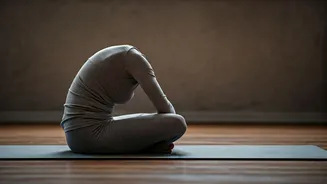
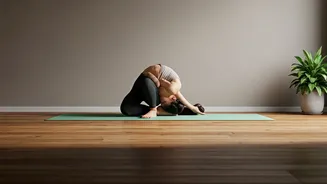
Next, transition into Balasana, or Child's Pose, a deeply comforting and grounding posture. Kneel on your mat with your big toes touching, then sit back onto your heels. Fold your torso forward, resting your forehead gently on the earth. You can extend your arms forward, palms facing down, or bring them alongside your body with palms facing up. This pose offers a profound stretch for the lower back, releasing accumulated tension from prolonged sitting or stress. More importantly, it sends a powerful signal of safety and surrender to your brain, helping to quell the stress response. It's a moment of profound connection with the earth, providing a sense of security and stillness. The gentle compression and release it offers also aids in calming the digestive system and promoting a sense of overall well-being, making it an essential part of this stress-reducing sequence.
Rejuvenating Forward Fold
Embrace the transformative power of Uttanasana, the Standing Forward Fold. Starting from a standing position, inhale and lengthen your spine, then exhale as you hinge forward from your hips, allowing your torso to drape over your legs. Keep a slight bend in your knees if needed to protect your lower back. Let your head and arms hang loosely towards the floor. This inversion gently reverses blood flow, directing oxygenated blood towards your brain, which can help to clear mental fog and promote clarity. By literally turning your perspective upside down, it can make overwhelming challenges feel more manageable. The stretch in the hamstrings and calves is also deeply releasing for the body, and the calming effect on the nervous system is significant. It encourages a sense of surrender and acceptance, reinforcing the feeling of letting go of worries.
Restorative Legs-Up-The-Wall
Experience the deeply restorative Viparita Karani Mudra, or Legs-Up-The-Wall Pose. Find a comfortable position lying on your back with your hips as close to a wall as possible. Gently extend your legs straight up the wall, creating an inverted V-shape. You can rest your arms by your sides, palms facing up, or place them on your belly. This passive inversion is incredibly effective at relieving fatigue in the legs and feet, reducing swelling, and combating the effects of prolonged standing or sitting. It actively calms the sympathetic nervous system, promoting a profound sense of relaxation. By reversing blood flow and allowing gravity to assist, it can instantly lower blood pressure and induce a state of deep tranquility. This pose is a gentle yet potent tool for calming the mind and body, preparing you for the final stage of relaxation.
The Blissful Corpse Pose
Conclude your 15-minute stress-relief sequence with Shavasana, or Corpse Pose, also known as Anandasana (Bliss Pose). Lie flat on your back with your legs extended and your arms resting by your sides, palms facing upwards. Allow your body to feel heavy and completely supported by the mat. Close your eyes and simply focus on your breath without trying to control it. This is the crucial 'download' phase, where your body and mind integrate the benefits of the preceding poses. By doing 'nothing,' you allow your nervous system to fully shift into the parasympathetic 'rest and digest' mode. This state is essential for recharging your mental and physical energy, promoting deep healing, and fostering a sense of profound peace and clarity. Regular practice of these five poses can build resilience, enabling you to navigate life's challenges with greater balance and steadiness.