


The Unexpected Fix
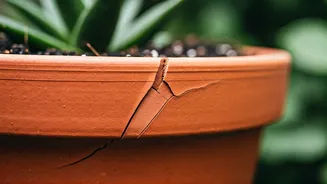
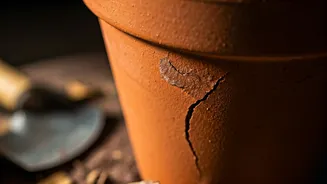
Many gardeners encounter the frustrating moment when their beloved tools or planters begin to show unsightly cracks, often discovered mid-project. While
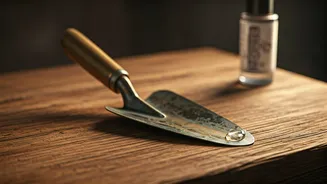
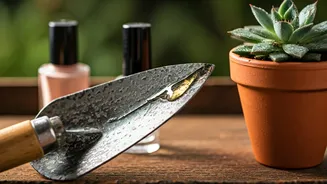
the immediate thought might be a trip to the hardware store for adhesives, a growing number of enthusiasts are turning to an item readily available in their own homes: clear nail polish. This accessible solution provides a swift and waterproof seal for minor imperfections, effectively preventing them from escalating into larger problems. It's a testament to ingenious problem-solving, transforming a neglected beauty product into a practical gardening aid that helps extend the usability of cherished equipment and decorative items, thereby reducing waste.
Science Behind the Seal
The efficacy of using nail polish as a sealant isn't merely anecdotal; it's rooted in scientific principles. Laboratory professionals have long utilized nail polish for its exceptional properties in preserving specimens. Its formulation allows it to dry rapidly in ambient air, forming a stable, impermeable layer that effectively prevents the leakage of materials. When applied to garden equipment, this translates into a temporary yet robust barrier. This protective coating can shield surfaces from moisture penetration, particularly beneficial for wooden tool handles or plastic planters, and can also help prevent paint from peeling away due to environmental exposure.
Application and Limitations
To achieve the best results with this innovative repair method, it's crucial to start by thoroughly cleaning the cracked area with rubbing alcohol. This ensures the nail polish adheres directly to the material rather than to any accumulated dirt or debris. Applying a second coat after the first has dried creates a slightly thicker, more durable finish. This enhanced layer offers surprising resilience against elements like morning dew or light watering. However, it's important to recognize that nail polish, while effective for sealing small fissures, does not provide the robust bonding strength of dedicated adhesives. It is best suited for minor cosmetic repairs before a tool undergoes significant stress or friction.
Chemical Awareness
While the convenience of using clear nail polish for garden repairs is undeniable, it's essential to be aware of the chemical composition of these products. Nail polishes are intricate blends of resins and solvents formulated primarily for cosmetic use, not for outdoor applications. Many traditional polishes contain a 'toxic trio' of ingredients, including toluene and formaldehyde, which are volatile organic compounds. Frequent or extensive use of these products for DIY repairs can lead to exposure to fumes, potentially causing respiratory irritation or skin sensitivities. Therefore, it's advisable to work in a well-ventilated outdoor space and consider the potential for chemical transfer to skin if you'll be gripping treated tool handles for extended periods.
Environmental Considerations
Beyond personal health, the environmental impact of using nail polish as a garden repair solution also warrants consideration. As the polish wears off over time, especially when exposed to prolonged sunlight, small plastic particles can break away and potentially enter the soil. For individuals cultivating organic vegetable gardens, introducing synthetic pollutants into their growing environment may be a concern. In such cases, opting for food-safe silicone or natural waxes might be a more appropriate choice. These alternatives can provide a similar moisture-barrier effect without the risk of chemical contamination, ensuring that your produce remains as natural and pure as possible.