






Ancient Craft Revived
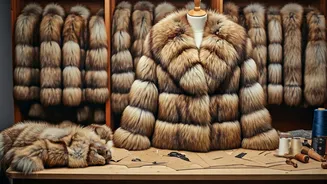
Furriery, a craft with deep roots, has a rich history that has significantly influenced fashion. The origins of this skill date back centuries, when fur
served a crucial role in providing warmth and protection. Early furriers were master craftspeople, meticulously preparing and tailoring animal pelts into essential garments. As civilizations advanced, so did the techniques. Tools and methods improved. The craft became more sophisticated, evolving from sheer functionality to embracing artistry and luxury. The furrier, once a provider of basic needs, transformed into a creator of exclusive fashion pieces. The emergence of the furrier as a symbol of elegance and status reflects how the craft gradually evolved, mirroring changes in society and its appreciation for design and refined craftsmanship. This legacy continues to shape the fur industry, inspiring contemporary designers and preserving centuries-old skills.
Materials and Techniques
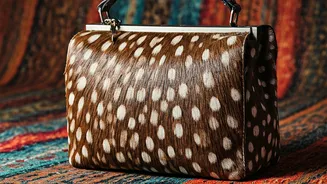
The finest furriery relies on selecting premium materials and employing intricate techniques. The selection process is vital, with furriers assessing the quality, texture, and suitability of various pelts. Commonly utilized furs include mink, sable, chinchilla, fox, and beaver, each offering distinctive characteristics. Preparation is equally critical: skills like skinning, curing, and plucking are essential to ready the fur for handling and design. The cutting process is meticulous, requiring precision to maximize the beauty and preserve the fur's integrity. These steps, combined with hand-sewing or machine-stitching, enable the creation of diverse designs, ranging from classic coats to modern accessories. Skilled artisans use advanced methods to construct garments with longevity and aesthetic appeal. The fusion of tradition and innovation allows furriers to experiment with new textures, colors, and forms, thus redefining the boundaries of their craft.
Design's Evolution & Trends
The art of furriery has continuously adapted to align with ever-changing fashion trends. Early designs focused on functionality, emphasizing warmth and durability, while later styles reflected the societal shift towards elegance and luxury. From basic silhouettes to more elaborate forms, fur garments have historically represented status and wealth. As fashion evolved, so did the design approaches. The modern furrier actively embraces design innovation, including experimenting with fresh silhouettes, contemporary embellishments, and unexpected color palettes. Designers seek creative ways to integrate fur into modern wardrobes. Furthermore, the industry is witnessing an increased focus on sustainable practices and ethical sourcing, as modern consumers increasingly demand responsible production. This signifies a movement towards a more conscious approach to furriery, blending luxury with a commitment to the environment and ethical considerations. The enduring appeal of fur, paired with design creativity, guarantees the continuing evolution of this craft.
Furriers of Tomorrow
Looking forward, the furrier craft is undergoing significant transformation, merging traditional methods with pioneering technological advancements. The infusion of technology has led to innovations in design and manufacturing. Computer-aided design (CAD) assists in the precision and complexity of patterns. 3D modeling allows artisans to visualize and experiment with designs before production. The advent of novel techniques such as laser cutting and bonding has increased the efficiency and creativity of furriery. Alongside technological progress, a strong focus on sustainability has become more prominent. Furriers are searching for eco-friendly practices, including ethically sourced furs and sustainable tanning processes. The next generation of furriers is embracing digital platforms to present their work and connect with a wider consumer base. These new techniques show a commitment to respecting the heritage of furriery while paving the way for a more inventive and forward-thinking industry.