





Peptides: The Basics
Peptides are essentially short chains of amino acids, the very building blocks of proteins. Think of them as tiny messengers that signal your skin cells
to behave in specific ways. In skincare, peptides typically play a role in collagen production. Collagen is the main structural protein in your skin, providing it with firmness and elasticity. As we age, collagen production naturally declines, leading to wrinkles, fine lines, and a loss of firmness. Peptide serums work by sending signals to your skin cells to produce more collagen, effectively reversing or slowing down the aging process. This is achieved by various mechanisms depending on the specific peptides used, like stimulating fibroblast activity or inhibiting enzymes that break down collagen. Different peptides offer different benefits, ranging from wrinkle reduction to improved skin texture. Their smaller size also enables them to penetrate the skin more effectively compared to larger molecules.
Peptides vs. Retinol
Retinol, a derivative of Vitamin A, is another popular ingredient in anti-aging skincare, but it has some potential drawbacks, such as irritation and sun sensitivity. Peptide serums often provide a gentler alternative. While both retinol and peptides aim to stimulate collagen production, they work via different pathways. Retinol works by increasing cell turnover, which can lead to visible changes, including reducing the appearance of wrinkles and improving skin texture. This process is often accompanied by redness, peeling, and increased sun sensitivity. Peptides, on the other hand, often do not cause the same level of irritation, making them a better choice for sensitive skin types. Furthermore, peptides work by directly signaling collagen production and can be combined more easily with other ingredients, like hyaluronic acid or antioxidants, creating a more comprehensive skincare routine. Therefore, peptide serums may suit a wider range of skin types with fewer side effects.
Types of Peptides
The world of peptides is diverse, with each type designed to target specific skin concerns. Signal peptides, for example, stimulate collagen and elastin production, contributing to a firmer and more youthful appearance. Carrier peptides deliver trace minerals, like copper, to the skin, which can assist in wound healing and collagen synthesis. Neurotransmitter peptides, on the other hand, relax facial muscles, thereby reducing the appearance of wrinkles, similar to how Botox works. Some peptides also have antioxidant properties, protecting the skin from environmental damage. Many serums combine several types of peptides to deliver comprehensive benefits, such as Matrixyl, which stimulates collagen production, and Palmitoyl Pentapeptide-4, which can reduce the appearance of wrinkles. The ideal serum for you depends on your unique skin concerns. Thus, understanding the variety and intended benefits of different peptide types will empower you to make informed decisions about your skincare.
Choosing Peptide Serums
Selecting a peptide serum involves several factors to get the best results. Firstly, consider your skin type and concerns. If you have sensitive skin, start with a serum that features milder peptides. Look for serums with a high concentration of active peptides. Generally, the more peptides, the better the potential results. Be sure to check the ingredient list. The ideal serum should include other beneficial ingredients, such as hyaluronic acid for hydration, antioxidants to combat free radicals, or other skin-soothing components. Also, think about the serum's formulation, like its texture and how well it absorbs into the skin. A lightweight serum is often a good choice, especially if you have oily skin. You also need to perform a patch test to avoid adverse reactions. Apply the product to a small area of skin, such as your inner arm, and wait 24–48 hours to check for any irritation or adverse effects before applying the serum to your entire face.
Incorporating Into Routine
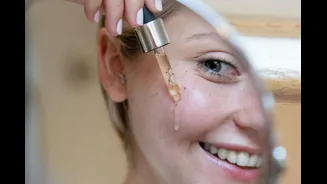
Incorporating a peptide serum into your existing skincare routine is usually simple. After cleansing and toning your face, apply the serum before heavier products, like moisturizers and sunscreens. This ensures the peptides can penetrate the skin effectively. Start by using the serum once or twice a day. If your skin tolerates it well, you can increase frequency. Be patient and consistent with your use. Results typically take several weeks to become noticeable. It's also important to combine your peptide serum with other products to enhance its effectiveness and address other skin concerns. A moisturizer will hydrate and protect your skin. An antioxidant serum, like one with vitamin C, will protect from environmental damage. And, of course, a broad-spectrum sunscreen is essential to protect your skin from sun damage, which can accelerate aging. Regular and consistent use, alongside a healthy lifestyle, will help you optimize your skincare efforts.