





The Stress-Hair Loss Link
The intricate connection between stress and alopecia areata is profound. When subjected to prolonged periods of mental or emotional strain, the body's
immune system can become imbalanced, inadvertently accelerating the hair loss process. This heightened state of alert and physiological response can disrupt the natural hair growth cycle, leading to increased shedding. Furthermore, insufficient sleep exacerbates this issue by fostering inflammation and contributing to hormonal imbalances, creating a detrimental cycle. Prioritizing stress management through practices like meditation, yoga, or engaging in calming activities, alongside ensuring 7-8 hours of quality sleep per night, are crucial steps. Limiting exposure to screens before bedtime can also significantly improve sleep quality, thereby mitigating one of the key stressors impacting hair health. Understanding and actively managing stress is therefore paramount for individuals dealing with alopecia areata, offering a proactive approach to hair care.
Nutritional Impact on Hair
A diet deficient in essential nutrients plays a significant role in compromising hair health and can worsen alopecia areata. Lacking crucial vitamins such as D and B12, and minerals like iron and zinc, can weaken the hair follicles, making them more susceptible to loss. Protein, a fundamental building block for hair, is also vital. Ensuring a balanced intake of fruits, vegetables, lean proteins, and whole grains is imperative for robust hair. Including protein-rich foods like eggs, lentils, and nuts in daily meals, and considering supplementation for iron and vitamin D, can help address potential deficiencies. These nutritional adjustments are not only supportive of general health but are particularly beneficial in managing the severity of alopecia areata and potentially speeding up the recovery process after flare-ups.
Gentle Hair Care Practices
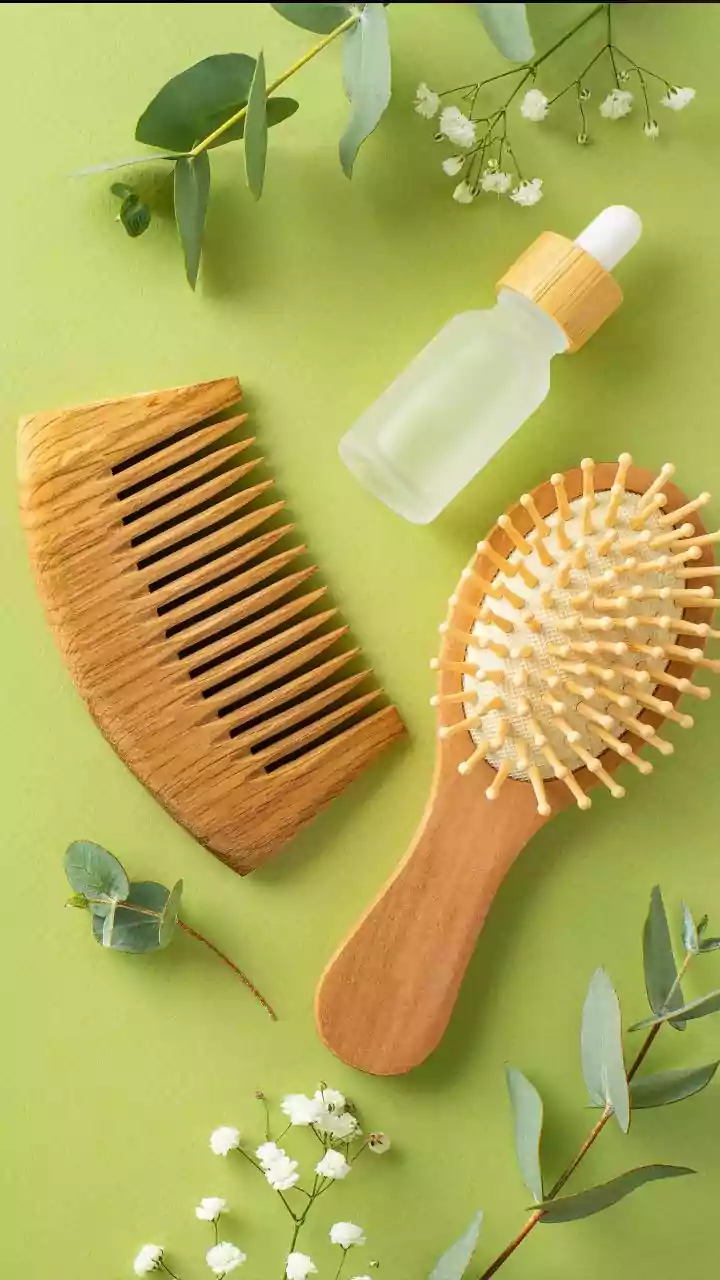
The use of harsh chemicals and intense styling treatments can be a significant trigger for alopecia areata by damaging hair follicles and irritating the scalp. Frequent exposure to ingredients found in bleaches, dyes, perms, and relaxers can lead to inflammation and exacerbate the condition. Opting for gentler hair care alternatives is essential. This includes switching to sulfate-free shampoos and conditioners, and minimizing the frequency of chemical treatments like coloring or straightening. Additionally, excessive heat styling with tools such as straighteners and curling irons can weaken the hair shafts, making them more prone to breakage and further irritating the scalp. Reducing the reliance on heat styling, applying heat protectant sprays when necessary, and embracing natural air-drying methods can significantly contribute to healthier hair and a less aggravated scalp, thereby supporting the management of alopecia areata.
Avoiding Traction Alopecia
Certain hairstyles that exert constant tension on the hair follicles can lead to a specific type of hair loss known as traction alopecia, which can unfortunately aggravate existing alopecia areata patches. Hairstyles that involve pulling the hair tightly, such as high ponytails, intricate braids, or very tight buns, place undue strain on the hair roots. To mitigate this risk, it's advisable to opt for looser hairstyles that minimize pulling and tension. Varying your hairstyles to avoid repetitive stress on the same areas of the scalp is also beneficial. Using soft hair ties instead of tight rubber bands can further reduce stress on the hair shaft and follicles. Giving your hair breaks from tight styling and embracing more relaxed hairdos is a simple yet effective way to prevent further damage and support the health of your hair and scalp when managing alopecia areata.
The Importance of Sleep
Adequate sleep is a cornerstone of overall health, and its disruption can significantly impact conditions like alopecia areata. When sleep is insufficient, the body's hormonal balance can be thrown off, and stress levels tend to rise. Both of these factors can contribute to or worsen hair loss. Aiming for a consistent 7-9 hours of quality sleep each night is crucial for regulating bodily functions, including those related to hair growth. Poor sleep quality can intensify inflammatory responses within the body, further complicating the autoimmune nature of alopecia areata. Therefore, establishing a regular sleep schedule and creating a relaxing bedtime routine, which may include reducing screen time before bed, are vital practices for supporting hair health and aiding in the management of this condition.