





Diet Coke's Cult Status
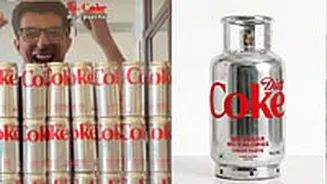
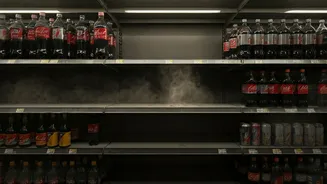
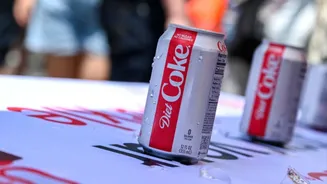
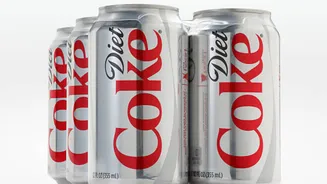
The recent widespread unavailability of Diet Coke in India, attributed to supply chain disruptions, has triggered a disproportionate emotional response,
particularly among Generation Z. This demographic is known for not tolerating minor inconvenconveniences well, often experiencing them as full-blown crises. Diet Coke, for many, transcends being just a beverage; it's interwoven with their identity, serving as a prop, a coping mechanism, and even an aesthetic. The specific ritualistic consumption – from the perfect can temperature to the precise ice pour and lemon placement – underscores its deep personal significance. This intense attachment means that any disruption to its availability is perceived not as a simple logistical issue, but as a profound betrayal, leading to drastic measures like rationing cans or contemplating the unthinkable: switching to alternatives. The expectation of instant gratification, cultivated by modern delivery services, amplifies the shock when something as seemingly ubiquitous as Diet Coke vanishes from the shelves.
Beyond the Fizz: Other Scarcities
The Diet Coke situation is not an isolated incident but rather the latest chapter in a pattern of 'unserious shortages' that have profoundly affected Gen Z's online presence and emotional state. Previously, the internet experienced a 'matcha moment,' where enthusiasts who had built identities around their oat milk matcha rituals faced scarcity. Ceremonial grade matcha became a rare commodity, leading to hoarding and a sense of existential loss akin to missing out on limited-edition fashion items. Similarly, the phenomenon of limited-edition collectibles, such as the coveted 'Labubu' figurines, demonstrated how small, visually appealing items could generate the same frenzy as sneaker drops, selling out instantly and reselling at exorbitant prices, leaving consumers emotionally drained. The 'Dubai Chocolate' trend, centered around pistachio-flavored confections, also experienced a perceived scarcity, elevating a simple flavor to 'main character' status. Even instant noodles, like the viral Samyang Buldak Carbonara Hot Chicken Flavor Ramen, which gained popularity primarily through social media, became unattainable once they started trending, leading to urgent calls for their return on delivery apps.
The Psychology of Micro-Meltdowns
The recurring theme across these 'micro-shortages' – from Diet Coke to collectible toys and trending foods – is a predictable cycle: something goes viral, becomes highly desirable, faces perceived scarcity, and then triggers an identity crisis for its enthusiasts. While objectively trivial, these reactions offer an honest glimpse into contemporary anxieties. These online 'meltdowns' are less about the specific item and more about the comfort and routine that these small pleasures provide. When these familiar anchors disappear, even temporarily, the response can be irrational but is fundamentally human. It reflects a reliance on certain accessible comforts in a complex world. While the urge to panic might be strong, the article gently suggests that perhaps not every 'out of stock' notification warrants a full-blown crisis. Sometimes, it might simply be an opportunity to reassess priorities or, dare we say, drink water. However, the article playfully concludes that the 'crashout' might just be the more entertaining option.