





Ant Colony Architects
Ants are exceptionally skilled architects, constructing elaborate underground dwellings characterized by intricate tunnel systems and specialized chambers
designed for various colony functions. Some species, however, opt for above-ground structures fashioned from a blend of twigs, sand, and gravel. A particularly remarkable example is the weaver ant, which masterfully manipulates leaves, using silken threads produced by its larvae to bind them together and form secure arboreal nests. These constructed environments are vital for safeguarding the entire colony and efficiently organizing their daily activities, showcasing a sophisticated level of social engineering through habitat creation.
Termite Metropolis Builders
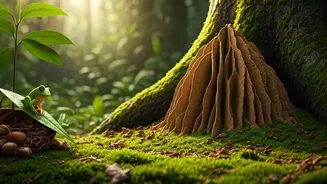
Termites engineer some of the most complex structures in the animal kingdom, creating nests that maintain a stable internal environment. These subterranean or above-ground mounds are carefully designed to be warm, humid, and dark, providing crucial protection against dehydration. Many termite colonies incorporate sophisticated ventilation systems within their mounds to regulate airflow, temperature, and moisture levels, effectively creating naturally climate-controlled habitats. Some species' nests extend into extensive underground networks, demonstrating an advanced understanding of structural engineering and environmental control for the survival and prosperity of the colony.
Aquatic Architects: The Stickleback
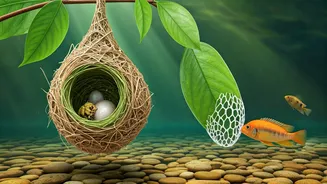
Certain fish species exhibit remarkable nesting behaviors, with the three-spined stickleback serving as a prime illustration. The male stickleback meticulously constructs a nest by gathering and arranging fragments of aquatic vegetation. To bind these materials together, it employs a unique sticky secretion produced from its kidneys. This constructed nest serves a dual purpose: attracting potential mates and providing a secure environment for the fertilized eggs. This behavior highlights a strong link between nesting and reproductive strategies, emphasizing parental investment and species-specific mating rituals in aquatic environments.
Frogs' Frothy Nurseries
A select group of frog species engage in the fascinating practice of building nests, notably those made from foam. These unique foam nests are constructed by certain amphibians to house and protect their eggs. The frothy material provides a moist and stable microenvironment, shielding the eggs from predators, parasites, extreme temperatures, and desiccation. This innovative survival mechanism is particularly effective in tropical climates, where the foam can remain intact for extended periods, offering a crucial buffer of moisture and safety until the tadpoles hatch.
Squirrels' Cozy Dreys
Squirrels construct their arboreal homes, known as dreys, using a combination of intertwined twigs, often forming a spherical structure. These nests are then lined with soft materials such as moss, grass, leaves, and shredded bark to create a cozy and insulated interior. Dreys are strategically built at higher elevations and close to the main trunk of trees, offering enhanced protection against ground-based predators. This elevated nesting strategy is crucial for the safety and survival of young squirrels, providing a secure refuge high above potential threats.