

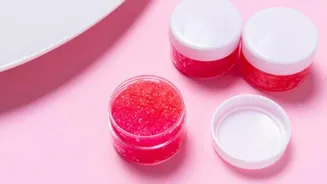


What a Sugar Scrub Does
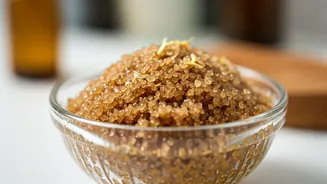
Sugar scrubs are a brilliant physical exfoliant, blending sugar granules with nourishing oils or emollients like coconut oil, almond oil, or shea butter.
The primary role of sugar is to gently buff away the outermost layer of dead skin cells that accumulate on your skin's surface over time. This buildup can make skin appear dull and rough, even after regular cleansing. By effectively polishing the skin, a sugar scrub reveals fresher, smoother, and more radiant skin underneath. A key advantage of sugar as an exfoliant is its solubility; it dissolves easily in water, making it less abrasive and drying compared to some other exfoliating agents. This gentle action helps to enhance the skin's texture without causing undue harshness or stripping away essential moisture.
Starting with Damp Skin
The optimal time to use a sugar scrub is when your skin is already damp, typically during a warm shower or bath. Applying the scrub to damp skin is crucial because it significantly reduces friction between the exfoliating sugar particles and your skin's surface. Attempting to use a sugar scrub on dry skin can feel very harsh and lead to irritation. The moisture from the water allows the sugar granules to glide more smoothly across the skin, making the exfoliation process much gentler. Furthermore, the warm water itself plays a role by helping to soften the outer layers of the skin, making it more receptive to the scrubbing action and facilitating the removal of dead skin cells.
Gentle Circular Motions
When applying a sugar scrub, the most critical principle to adhere to is gentleness. You should apply the scrub to your skin and then massage it using light, circular motions. There's absolutely no need to apply significant pressure. Pressing too hard can cause skin irritation, redness, and in the long run, could even lead to changes in skin pigmentation. For most areas of the body, a gentle scrub for one to two minutes is sufficient. However, areas known for roughness, such as elbows, knees, and heels, might benefit from slightly more attention. Conversely, more delicate areas of the body require a lighter touch and a shorter application time to avoid any adverse reactions.
Rinsing with Warm Water
Once you've finished the exfoliation process, it's essential to rinse your body thoroughly with warm water. There's no benefit to leaving the sugar scrub on your skin for an extended period after scrubbing. Rinsing effectively washes away all the sugar particles while the oils or emollients within the scrub remain on your skin, imparting a moisturizing effect. After rinsing, gently pat your body dry with a towel instead of vigorously rubbing. This prevents unnecessary friction and ensures your freshly exfoliated skin remains smooth and undamaged.
Moderation in Amount
It's a common misconception that using more product will yield better results, but with sugar scrubs, less is often more. A small quantity of scrub is generally adequate for effectively treating most areas of your body. For smaller, more delicate areas like the face, an even smaller amount is recommended. While larger areas of the body might require slightly more scrub, there's no need to apply it in thick, heavy layers. Using a controlled amount of scrub also aids in managing the pressure you apply, further minimizing the risk of irritation and ensuring a pleasant exfoliating experience.
Exfoliation Frequency
While sugar scrubs are beneficial, over-exfoliation can actually harm your skin. For the majority of individuals, exfoliating with a sugar scrub once or twice a week is more than sufficient. If you have sensitive skin, you might need to exfoliate even less frequently. The best way to determine the ideal frequency for your skin is to pay close attention to how your skin reacts after using the scrub. Signs of irritation, redness, or dryness indicate you might be exfoliating too often or too aggressively. By using a sugar scrub appropriately and in moderation, it can become a highly effective yet simple component of your regular skincare regimen.