

The Inside-Out Approach
The pervasive issue of hair fall often leads us to invest in numerous external treatments, but the true solution might lie in a more holistic, internal
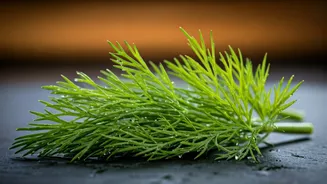
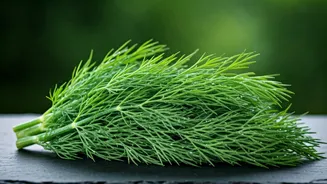
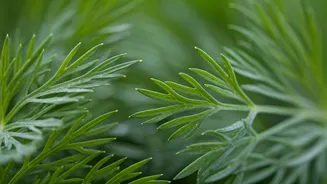
approach. Shepu, commonly recognized as dill leaves or 'suva,' is emerging as a powerful, nutrient-dense superfood championing this very philosophy. Instead of merely addressing the symptoms on the surface, Shepu works from within to combat the underlying factors contributing to hair loss. It is packed with vital minerals such as iron, magnesium, zinc, and calcium, alongside essential vitamins A and C. The synergistic action of iron and vitamin C is crucial for invigorating the scalp by improving oxygenation, which in turn fortifies hair follicles from their base, effectively minimizing breakage and dullness. Furthermore, Shepu holds significant value in Ayurvedic traditions for its ability to calm the nervous system. By helping to regulate cortisol levels and promote better sleep quality, it provides the body with the restorative rest needed for cellular repair, including that of hair tissues. Beyond stress management, Shepu plays a pivotal role in gut health, renowned for its anti-flatulent properties and its capacity to soothe digestive discomfort. A healthy gut ensures optimal absorption of nutrients from all foods consumed, thereby maximizing the benefits for hair growth and overall vitality.
The Power of Shepu Paratha
Incorporating Shepu into your diet is the most effective method to harness its benefits for hair health. The quintessential way to enjoy this herb is through a traditional Shepu Paratha. This involves finely chopping fresh dill leaves and kneading them directly into your choice of dough, whether it's made from wheat, millet (bajra), or rice flour. However, simply eating the paratha isn't enough to unlock its full potential; strategic pairing is key. To maximize nutrient absorption and efficacy, it's recommended to consume your Shepu paratha alongside a serving of fresh curd (dahi) and a small portion of amla pickle (achaar). The curd provides essential Vitamin B12, while the amla pickle delivers a substantial dose of Vitamin C. This specific combination ensures that the iron and other minerals present in the dill leaves are readily absorbed by the body, paving the way for stronger, healthier hair. This culinary synergy transforms a simple meal into a targeted hair-nourishing therapy.
Versatile Dill for All
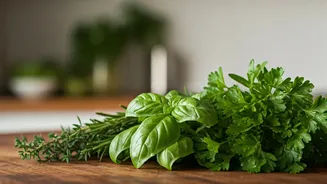
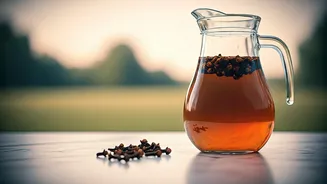
For those who might not be fans of parathas, Shepu offers an impressive range of culinary applications that are both delicious and incredibly beneficial for hair. You can effortlessly enhance the flavor and nutritional profile of your everyday yellow dal by simply tossing in a handful of chopped fresh dill leaves. Similarly, mixing dill into the batter for thepla creates a wholesome and nutrient-rich breakfast option. Another delightful preparation is the comforting Aloo Shepu, a dry vegetable dish combining potatoes and dill. Even if fresh dill leaves are unavailable, dried dill seeds, known as 'shatapushpa,' can be a fantastic alternative. Boiling a teaspoon of these seeds in water yields a warm, soothing herbal tea that aids in detoxifying the digestive system and balancing hormones, both of which indirectly contribute to maintaining hair vitality. This versatility ensures that Shepu can be enjoyed in various forms, making it accessible for everyone looking to boost their hair health naturally.
Topical Dill Seed Oil
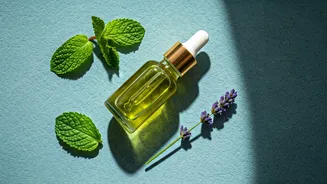
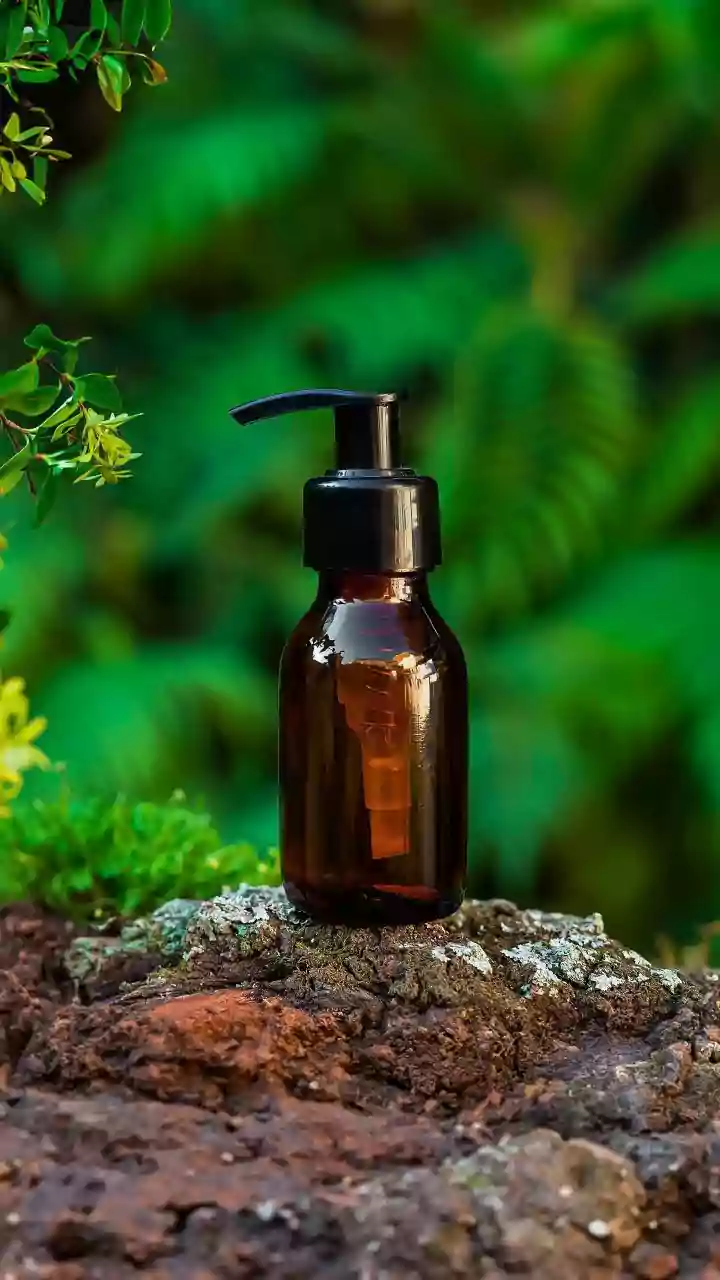
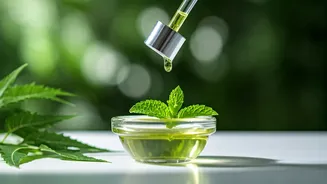
While consuming Shepu internally is paramount for its holistic hair benefits, dill seed essential oil also presents a beneficial option for external application, particularly in the realm of Ayurvedic scalp massages. Its inherent antioxidant properties can contribute to a healthier scalp environment. However, it is crucial to adhere to the established guidelines for using essential oils to ensure safety and efficacy. Under no circumstances should dill seed essential oil be applied directly to the scalp. Always practice proper dilution by mixing a few drops of the essential oil with a suitable carrier oil, such as coconut oil or almond oil, before gently massaging it into the hair roots. This topical treatment, when used correctly, can complement the internal benefits of Shepu, further supporting hair strength and vitality. Embracing our indigenous superfoods like Shepu is a testament to the wisdom of traditional practices for modern wellness.