


What is Skin Flooding?
Skin flooding is a revolutionary skincare trend rapidly gaining traction across social media, promising an impossibly dewy and plump complexion. The core
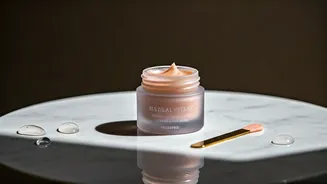
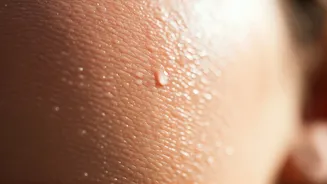
principle behind this technique is to effectively saturate the skin with hydration, much like a dried-out sponge readily absorbs water when initially dampened. Instead of relying on a single, heavy cream, skin flooding strategically layers water-based humectants onto damp skin to maximize water absorption. Once the skin is thoroughly hydrated, a more emollient moisturizer is applied to seal in all the beneficial moisture, preventing it from evaporating. This method is particularly beneficial for those experiencing skin tightness or makeup clinging to dry patches, offering a powerful yet accessible way to achieve sustained hydration using products many already own.
The Hydration Routine Steps
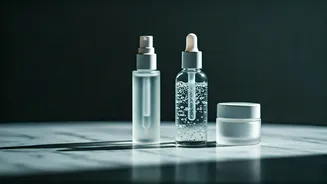
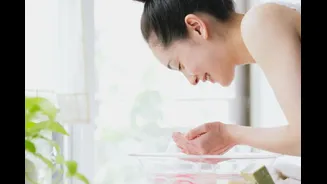
The skin flooding routine is designed for simplicity, relying on the textural progression of your existing skincare products, moving from thinnest to thickest. It begins with a gentle cleanse to remove impurities without stripping the skin's natural moisture barrier. Crucially, after cleansing, the face should not be dried thoroughly; the key is to maintain a noticeably damp canvas. If a towel is used, it should be a very gentle pat, or alternatively, a hydrating facial mist or essence can be applied to re-dampen the skin. The next step involves applying lightweight, water-based serums rich in humectant ingredients like hyaluronic acid and glycerin, which actively draw moisture into the skin. The final, essential phase is to seal in this absorbed hydration by applying a richer emollient or occlusive moisturizer, such as those containing ceramides, squalane, or shea butter, to create a protective barrier against trans-epidermal water loss.
Benefits of Skin Flooding
The surge in popularity for skin flooding is attributed to its remarkable ability to deliver immediate and enduring hydration, resulting in a complexion that appears naturally radiant and supple. Beyond its aesthetic appeal, this technique significantly bolsters a compromised skin barrier. A strengthened barrier leads to a visible reduction in redness, inflammation, and overall sensitivity. Furthermore, by plumping the skin with pure hydration, fine lines can appear diminished, creating a smoother surface. This enhanced smoothness provides an exceptional base for makeup application, allowing foundation and other products to glide on effortlessly and adhere more evenly throughout the day.
Suitability for Skin Types
While skin flooding offers universal appeal, its effectiveness and application must be tailored to individual skin types. It is exceptionally beneficial for individuals with dry or dehydrated skin, proving particularly transformative during arid winter months when moisture is readily lost. Those with sensitive skin also find this routine advantageous due to its gentle, hydration-focused nature, though it is imperative to opt for simple, fragrance-free formulations to avert potential irritation. However, individuals with oily or acne-prone skin must approach this trend with considerable caution. The layering of multiple hydrating products and a final occlusive cream can inadvertently trap perspiration, excess sebum, and bacteria, potentially leading to clogged pores and breakouts. If attempting the trend, it is advisable to forgo heavy sealing creams, substituting them with lightweight, oil-free, and non-comedogenic gel moisturizers to achieve hydration without exacerbating oiliness.