



The Truth About Talcum Powder
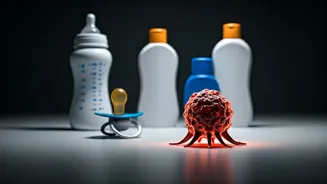
While many parents reach for talcum powder to keep their baby's skin dry and prevent rashes, its safety is questionable. Experts have long raised concerns
about potential contamination within these powders. It's strongly advised to avoid applying talcum powder, especially in the genital areas and near the nose, due to historical issues associated with its purity. Exploring alternatives that offer moisture absorption without these concerns is a prudent choice for safeguarding your child's delicate skin and respiratory health.
Plastic Bottles' Hidden Risks
Many modern plastic feeding bottles are marketed as free from BPA, BPS, and BPF, offering a sense of security to parents. However, a closer look reveals potential dangers. The plastic in these bottles can degrade over time, particularly with frequent sterilization cycles. This degradation can lead to chemicals and even microplastics leaching into the milk or liquids your child consumes. Parents should be aware that even bottles labeled 'free from' may pose risks after repeated use and washing, prompting consideration of alternative feeding vessel materials.
Chemical Sunscreens: A Risky Choice
Protecting children from the sun's rays is crucial, but the method matters significantly. An oncologist strongly recommends avoiding chemical sunscreens for young children. These products often contain ingredients that can be absorbed into the skin. Instead, opt for mineral-based sunscreens that utilize zinc oxide or titanium dioxide as their active ingredients. These mineral blockers sit on top of the skin, creating a physical barrier, and are generally considered much gentler and safer for a child's sensitive epidermis, minimizing the risk of adverse reactions.
Fragrance-Infused Products Danger
Many everyday items like body washes and shampoos are appealingly scented, but these fragrances can pose a significant threat to children. These products frequently contain phthalates and formaldehyde-releasing agents, which are known endocrine disruptors and are particularly unhealthy for young skin. Children, especially those under three, have thinner skin, making them more susceptible to the absorption of these harmful chemicals. The attractive scent can mask underlying health risks, so choosing fragrance-free, hypoallergenic options is vital for protecting your child.
The Peril of Squeaky Toys
Colorful, squeaky rubber toys, often found in bath time routines, carry hidden hazards. These toys frequently contain phthalates, plasticizers that can be detrimental to children's health. When these toys are submerged in warm water, the release of these chemicals is amplified. The warm, moist environment of a bath further enhances the potential for your child to be exposed to these unwanted substances through their skin or by mouthing the toy. It's prudent to select bath toys made from safer, phthalate-free materials.
Scented Wipes: An Unseen Irritant
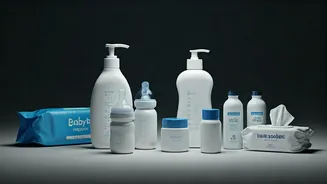
While baby wipes offer immense convenience, scented versions are not ideal for a child's delicate skin. Oncologists advise against their use due to potential irritants. These wipes can contain polyethylene glycols (PEGs), synthetic fragrances, and even contaminants like ethylene oxide. Because wipes are applied directly to sensitive skin multiple times daily, repeated exposure to these chemicals and perfumes can easily lead to irritation and skin sensitivity. Opting for unscented wipes or using simple cotton cloths with water provides a much gentler alternative for cleaning your baby.