


Royal Indian Roots
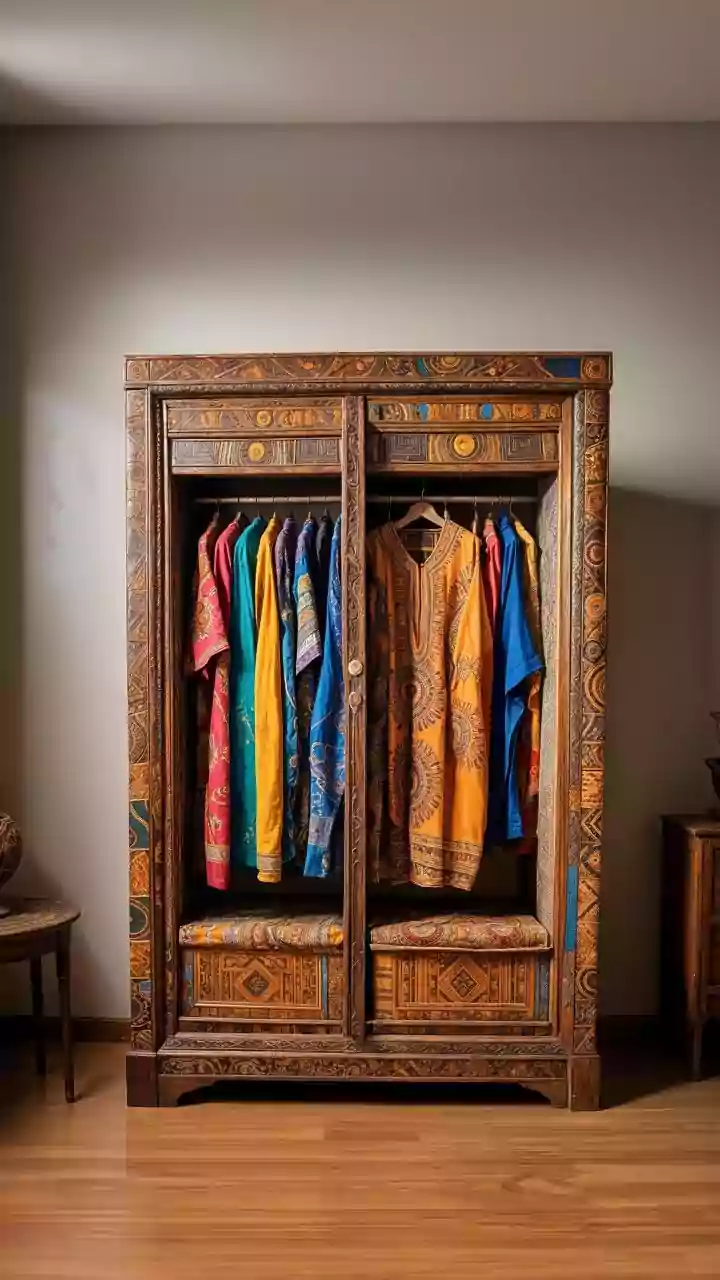
The story of the Nehru jacket begins long before it bore its famous name, drawing inspiration from the traditional Achkan, a distinguished long coat historically
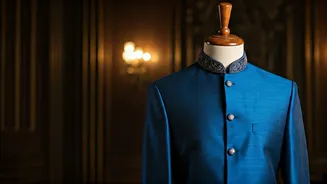
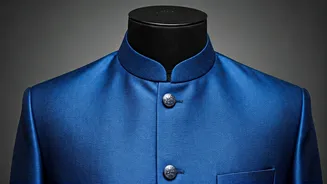
donned by Indian nobility. This garment was more than just clothing; it was a clear emblem of high social standing and refined elegance, characterized by its structured, tailored silhouette and its distinct high collar, setting a precedent for formal Indian attire that emphasized grace and authority among the elite.
Pre-Independence Icon
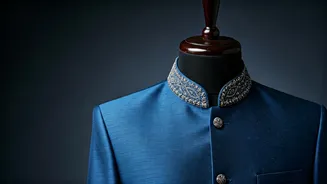
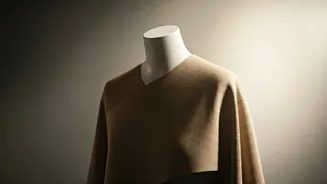
In the era leading up to India's independence, a shorter, more streamlined version of the Achkan, often referred to as the bandhgala coat or prince coat, emerged as a significant symbol. This style began to represent a nascent modern Indian identity, artfully merging traditional Indian aesthetics with subtle elements of Western tailoring. It was a garment that resonated with the progressive aspirations of the time, signifying a forward-looking yet culturally rooted outlook among its wearers and shaping a distinct sartorial narrative for the nation.
Nehru's Endorsement
Although India's first Prime Minister, Jawaharlal Nehru, personally favored the longer, more traditional achkan, his distinctive penchant for high collars inadvertently propelled the shorter, tailored jacket into widespread recognition. It was his signature style, particularly the upright collar, that caught the public's eye and inspired the garment's popular evolution. Consequently, this influential association led to the jacket becoming widely known and cherished as the "Nehru jacket," cementing its place in fashion history through this indirect yet profound connection.
Symbol of Freedom
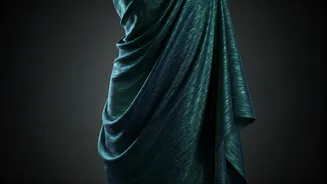
The Nehru jacket transcended its aesthetic appeal to become a powerful emblem of India's struggle for independence and subsequent national pride. Frequently crafted from Khadi, a hand-spun and hand-woven fabric deeply interwoven with the narrative of the Indian freedom movement and Mahatma Gandhi's call for self-reliance, the jacket embodied ideals of nationalism and cultural assertion. Wearing it became a subtle yet significant statement of solidarity with the nation's aspirations and a proud declaration of indigenous heritage.
Global Fashion Sensation
During the vibrant and experimental era of the 1960s, the Nehru jacket experienced a significant surge in international popularity, transcending its Indian origins to become a global fashion phenomenon. Western designers and influential celebrities alike were captivated by its unique silhouette and cultural cachet, incorporating it into their wardrobes and collections. This embrace by international style icons transformed the jacket into a significant fashion statement worldwide, showcasing its versatility and enduring appeal far beyond its native land.
Modern Style Evolution
Today, the Nehru jacket stands as a testament to enduring style, seamlessly integrated into contemporary wardrobes as a versatile and chic essential. Fashion designers continue to reinterpret this classic piece, experimenting with a diverse array of luxurious fabrics such as lustrous silk, breathable linen, and intricately woven brocade. These modern iterations artfully blend timeless traditional elements with cutting-edge fashion sensibilities, ensuring the jacket remains a relevant and sought-after choice for occasions ranging from grand weddings to stylish everyday wear.