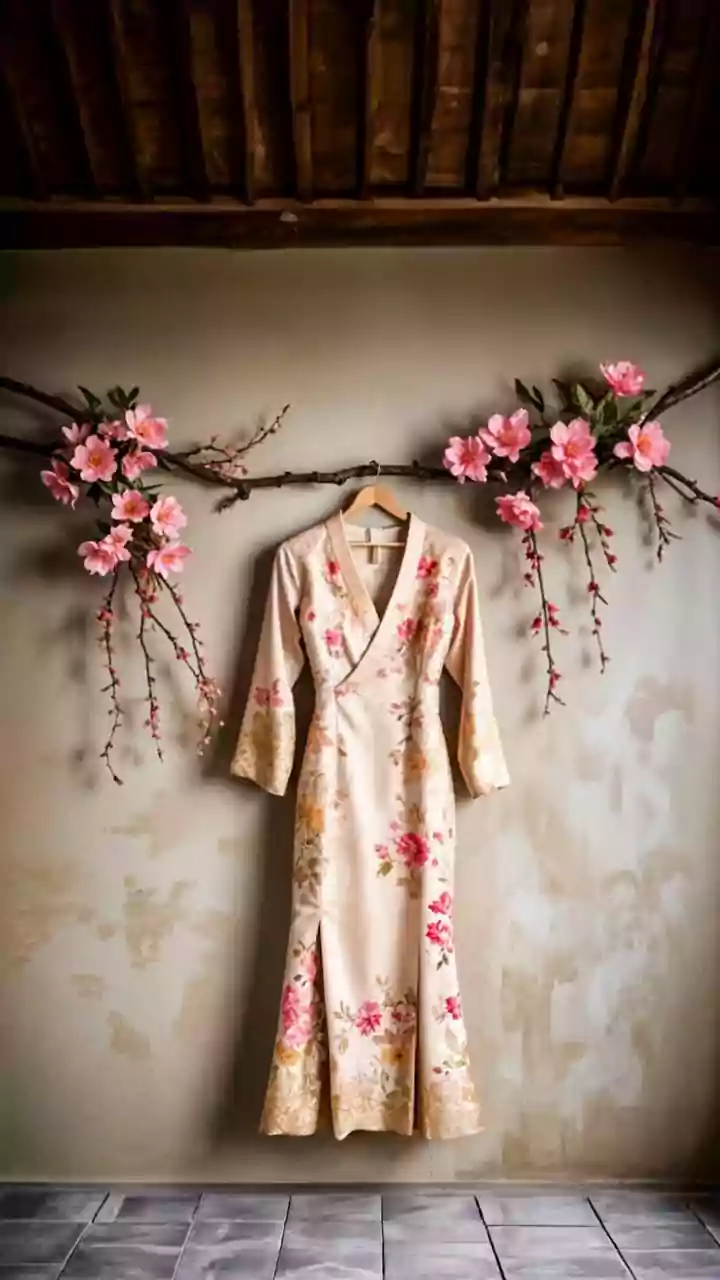

Digital Fashion's Ascent
Digital fashion, at its core, represents clothing and accessories that exist solely in the virtual world. This realm has seen incredible growth. It is employed
in areas such as gaming, augmented reality (AR), and virtual avatars, presenting new opportunities for self-expression and creative possibilities. Brands are now creating and selling digital-only garments, providing unique experiences like virtual try-ons or exclusive designs for online platforms. Digital fashion promotes sustainability by reducing the need for physical production and waste. Consumers can now purchase digital outfits for their avatars or use AR apps to visualise how clothes fit. This development shows how technology is transforming the way people express themselves and interact with fashion. This includes innovative marketing strategies and the rise of a new breed of designers who specialize in creating virtual collections. Digital fashion is also at the forefront of the metaverse. The growing popularity of virtual worlds and online gaming has created a high demand for digital clothing. Brands are trying new ways of designing and selling digital fashion. This helps in building new revenue streams and engaging consumers. With advanced technologies like blockchain, digital fashion is not only becoming more immersive but also secure and traceable.
AI in Design Processes
Artificial intelligence (AI) is transforming the fashion design and development landscape. AI algorithms are used to analyze trends, predict consumer preferences, and assist designers with creating new collections. AI-powered tools provide assistance in tasks such as generating design ideas, creating patterns, and even automating parts of the design workflow. AI can quickly analyze vast amounts of data, including social media, sales figures, and style preferences, to identify the latest trends and consumer demands. This helps designers create relevant and appealing products. AI also helps with the production process by optimizing the supply chain and reducing waste. AI is changing traditional methods of designing and manufacturing fashion. It can help personalize the shopping experience. By understanding individual customer preferences, AI tools recommend clothing and style suggestions. They also optimize digital marketing and help brands reach their target audiences more effectively. AI is becoming an essential component of the fashion industry's strategy as technology advances, enabling better efficiency, creativity, and customer satisfaction.
E-commerce's Revolution
The e-commerce sector has significantly changed how consumers shop for fashion. Online shopping offers convenience, and global accessibility, and a wide selection of products, making it easier than ever for consumers to explore different styles and brands. E-commerce platforms employ advanced features like virtual fitting rooms and augmented reality (AR) applications to improve the shopping experience. These technologies allow customers to virtually try on clothes and accessories. This enhances their confidence and reduces returns. Social media also plays a large role in e-commerce, with many brands using platforms like Instagram and Facebook for product marketing and sales. Influencer marketing has grown significantly, and it allows brands to engage with a larger audience. These digital platforms have grown beyond just being online storefronts; they offer personalized recommendations, seamless checkout processes, and efficient delivery services. These improvements are crucial to increasing customer satisfaction and driving sales growth in the competitive fashion market. E-commerce platforms are using data analytics to understand consumer behavior and customize marketing strategies. This results in more targeted advertising campaigns and enhanced customer engagement.
Sustainability in Focus
The fashion industry is increasingly under pressure to adopt sustainable practices. This is due to rising environmental concerns among consumers. Several brands are embracing eco-friendly materials, ethical production processes, and circular economy models. These efforts aim to minimize the environmental impact of fashion. Sustainable materials, such as organic cotton, recycled polyester, and innovative fabrics from plant-based resources, are becoming more common. Ethical production involves fair labor practices, safe working conditions, and transparent supply chains, which are essential for sustainable fashion. The rise of the circular economy is another important trend. It involves reusing, recycling, and repurposing clothing to reduce waste and extend the lifespan of garments. Initiatives like clothing rental services, upcycling, and garment recycling programs are becoming more prevalent. These methods help to lessen fashion's negative effect on the planet and help the industry move toward a more sustainable future. Consumer demand for sustainable options is driving innovation within the fashion sector. Brands are now using eco-friendly packaging and transportation methods to improve their sustainability efforts. Promoting transparency through certifications and eco-labels also helps to build consumer trust and loyalty.