






Decoding Almond Oil Labels
Many are perplexed by the various almond oil labels found in stores, often wondering if 'almond oil' and 'sweet almond oil' are interchangeable. The reality
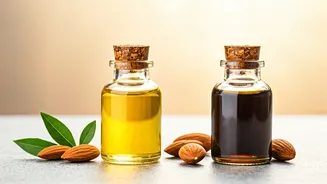
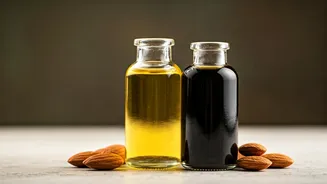
is that while 'almond oil' often refers to the sweet variety, this isn't always the case. This ambiguity stems from the existence of two distinct types of almonds: sweet and bitter. Sweet almonds, the ones typically consumed, yield an oil that is safe and widely beneficial for topical applications like skin and hair care. Bitter almonds, however, produce an oil with different properties, making it unsuitable for direct scalp application. Understanding this fundamental difference is the first step in selecting the correct product for your hair care regimen, ensuring you harness the true benefits of almond oil without encountering potential issues.
Safety and Texture Profile
When considering almond oil for your hair, prioritizing safety is paramount. Sweet almond oil stands out as the safe choice, offering a gentle formulation that is suitable for regular use on hair, skin, and even for infant care. In contrast, bitter almond oil contains specific compounds that can pose risks if not handled and processed with extreme care, leading to its primary use in the fragrance industry rather than direct cosmetic applications. Beyond safety, the textural quality of sweet almond oil is a significant advantage. It possesses a light consistency, meaning it doesn't feel overly sticky or heavy on the hair and scalp. Its mild, subtly nutty aroma is pleasant, and importantly, it absorbs efficiently into the scalp. This characteristic is particularly beneficial in humid climates, like those commonly found in India, where heavier oils can lead to discomfort. Some generic 'almond oils' on the market may feel thicker or greasier, often due to impurities or the presence of added oils, detracting from the desirable lightness of pure sweet almond oil.
Nutrient Powerhouse for Hair
The efficacy of sweet almond oil for hair care lies in its rich nutritional composition, which directly contributes to healthier strands. It is an excellent source of Vitamin E, a potent antioxidant crucial for maintaining a healthy scalp environment and protecting hair follicles. Furthermore, sweet almond oil is abundant in healthy fats, which play a vital role in combating dryness and improving hair's moisture retention. It also contains minerals like magnesium, which some studies suggest may help mitigate hair fall. These components work synergistically to enhance hair's overall resilience, making it stronger, softer, and less susceptible to damage from environmental stressors and styling. Bitter almond oil, while possessing some inherent compounds, does not offer these specific hair-benefiting nutrients in a safe and readily accessible form for regular application, making it irrelevant for standard hair care discussions.
Realistic Hair Growth Benefits
It's essential to approach the topic of hair growth with realistic expectations. No single oil, including sweet almond oil, possesses the power to induce rapid hair regrowth overnight. True hair growth is a complex process influenced by a multitude of factors, including genetics, diet, hormonal balance, and overall physical well-being. While oil alone cannot fundamentally alter these core determinants, sweet almond oil can significantly improve the scalp and hair environment, thereby fostering better conditions for hair to grow and thrive over time. By smoothing the hair shaft, providing essential moisture, and reducing split ends, it minimizes breakage. This reduction in breakage allows hair to retain its length, contributing to a fuller and healthier appearance, even if the growth rate itself isn't accelerated. Moreover, its ability to enhance scalp health through improved blood circulation and moisture balance creates a more conducive environment for robust hair development.
Enhancing Hair Appearance
Beyond its role in promoting a healthier scalp and reducing breakage, sweet almond oil offers immediate and noticeable cosmetic improvements to hair. It imparts a wonderful softness, making hair feel smooth to the touch and significantly enhancing its natural shine. This improved manageability can transform the daily styling experience, making hair less prone to tangles and frizz. While these aesthetic benefits might seem superficial, they contribute significantly to the overall health and appearance of the hair. Visibly shinier and softer hair is often an indicator of well-moisturized and less damaged strands. Therefore, the consistent application of sweet almond oil can lead to a cumulative positive effect, not only on how the hair looks and feels but also on its underlying strength and vitality, making it a worthwhile addition to any hair care routine.
Choosing and Using Wisely
For optimal hair care results, the choice is clear: opt for sweet almond oil, ideally in its cold-pressed form. This method of extraction helps preserve the oil's natural nutrients and beneficial properties. If a product simply states 'almond oil' without further specification, it is prudent to examine the label more closely to confirm it is derived from sweet almonds. Incorporating sweet almond oil into your routine doesn't require complex procedures. A simple yet effective method is the traditional 'champi,' where a small amount of oil is warmed and massaged into the scalp for about 5-10 minutes. Leaving it on for an hour or overnight before washing can provide deep nourishment. Alternatively, it can be mixed with other oils like coconut oil for added hydration or castor oil for a richer treatment. For a quick fix, a tiny amount applied to the ends of the hair can combat frizz and dryness, but moderation is key to avoid a greasy appearance. Consistency in application, typically a couple of times a week, yields the best outcomes.
Common Pitfalls to Avoid
When using sweet almond oil for hair care, steering clear of common mistakes can amplify its benefits and prevent potential drawbacks. A frequent error is the excessive use of oil; applying too much can make hair difficult to wash out thoroughly and may lead to a weighed-down feeling. Another misstep is harboring expectations of instantaneous results. Hair health improvement is a gradual process, and consistent application over time is crucial to observe significant changes. Furthermore, neglecting internal health by ignoring diet is a major oversight. Hair health is intrinsically linked to nutrition, with a balanced diet playing a foundational role. Lastly, purchasing low-quality or adulterated oil can diminish effectiveness. Always verify the source and purity of the product to ensure you are receiving the genuine benefits of sweet almond oil. Avoiding these pitfalls will help maximize the positive impact of this natural hair treatment.
The Verdict: Is it Worth It?
Sweet almond oil is undoubtedly a valuable asset to a hair care routine, offering a blend of simplicity, affordability, and tangible benefits. Its primary strength lies in its ability to genuinely improve hair texture, enhance strength, and contribute to a healthier scalp. While it's not a panacea for conditions like severe hair loss, its consistent use can lead to noticeably healthier, more manageable, and more resilient hair. The key takeaway is to differentiate between sweet and bitter almond oils; for hair care purposes, sweet almond oil is the undisputed champion. By selecting the correct type, applying it regularly, and complementing its use with a balanced diet and basic hair care practices, individuals can effectively harness its natural advantages. Ultimately, achieving great hair is a journey built on consistent, positive habits rather than relying on a single miracle product.