





Choosing the Right Soil
For a thriving Moringa tree, the foundation starts with its soil. This plant flourishes in light, well-draining soil mixtures that prevent waterlogged
roots. A recommended blend involves combining garden soil with sand and compost. This combination ensures excess water can escape freely, which is crucial for root health. Avoid heavy clay soils, as they tend to retain too much moisture and can lead to root issues, hindering the plant's growth and overall vitality. By providing this proper soil base, you set the stage for a robust and healthy Moringa tree.
Watering Wisely
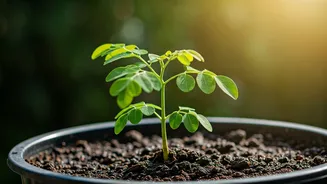
Moringa trees are known for their drought resistance, meaning they don't demand excessive watering. However, mindful hydration is key, especially during the initial growth stages. When your seedling is young, it's best to water it whenever the top inch of soil feels dry to the touch. It is critical to avoid overwatering, as an excess of moisture can be detrimental to the roots. This moderate approach ensures the plant receives enough hydration without risking root rot, promoting steady and healthy development.
Sunlight Needs
Moringa trees thrive in warm climates and require ample sunlight to flourish. Aim to provide your plant with at least six hours of direct sunlight each day. Placing your Moringa seedlings in a location that receives consistent sun exposure will significantly boost their development and strengthen their stems. Insufficient sunlight can lead to a weak, poor-quality plant, so choosing a sunny spot is paramount for a vigorous Moringa tree. This is a fundamental requirement for unlocking the plant's full potential.
Feeding Your Tree
While Moringa trees are not heavy feeders, they benefit from occasional nutritional supplements to maintain their health and productivity. The most effective way to provide this is through organic compost. Regular additions of compost will supply the necessary nutrients without overwhelming the plant. This simple fertilization routine supports robust growth and ensures your Moringa tree remains a healthy and productive addition to your home garden.
Pruning for Growth
Regular pruning is an essential practice for encouraging a fuller, leafier Moringa tree. Trimming back its branches about once a month helps maintain a desirable shape and size, preventing it from becoming too tall. This consistent trimming not only enhances the tree's aesthetic appeal but also stimulates the growth of more leaves, which is often the desired outcome. Pruning is a simple yet effective way to manage your Moringa tree's development.
Planting Methods
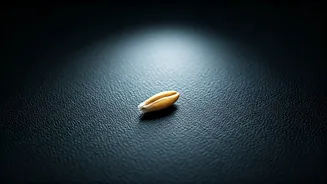
Moringa can be propagated from seeds or cuttings, but beginners will find sowing seeds to be the most straightforward approach. Fresh Moringa seeds germinate easily and grow rapidly. You can plant them directly into prepared soil or start them in small pots. Ensure they are planted about an inch deep. With consistent care, you can expect to see the first sprouts emerge within one to two weeks, marking the beginning of your Moringa-growing journey.