





Echoes of Inheritance
The narrative begins with a nostalgic recollection of childhood summers, where the joy of visiting family in Thrissur was intertwined with the practicality
of hand-me-down clothing. The author vividly recalls a time when sharing clothes among cousins was a natural and unquestioned custom, a stark contrast to the current consumerist mindset. The sensory detail of mango-scented clothes from a cherished maroon sequined lehenga evokes a lost era of inherent sustainability. This period wasn't driven by environmental consciousness, but by simple necessity and a cultural understanding of resourcefulness. The instinct to rewear and pass on garments was deeply ingrained, a habit that has since been overshadowed by the modern demand for novelty and immediate gratification in fashion choices. This personal anecdote sets the stage for understanding the profound societal shift that has occurred.
Algorithm's Temptation
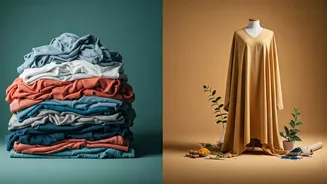
The allure of fast fashion is largely manufactured, a deliberate strategy employed by brands to create a sense of urgency and inadequacy among consumers. Through sophisticated algorithms and targeted marketing, these companies foster a 'fear of missing out' (FOMO), compelling individuals to constantly acquire new apparel to feel relevant and stylish. This relentless cycle of trend-driven production, fueled by capitalism's pursuit of profit margins, has made fast fashion a significant byproduct of modern consumer culture. The article highlights how this trend has become a global concern, with India now setting ambitious goals to boost its textile recycling sector to an estimated $3.5 billion by 2030, as stated by the Ministry of Textiles. The growing awareness is also reflected on social media platforms, which are increasingly dedicating space to sustainable fashion solutions and alternatives.
Crafting a New Wardrobe
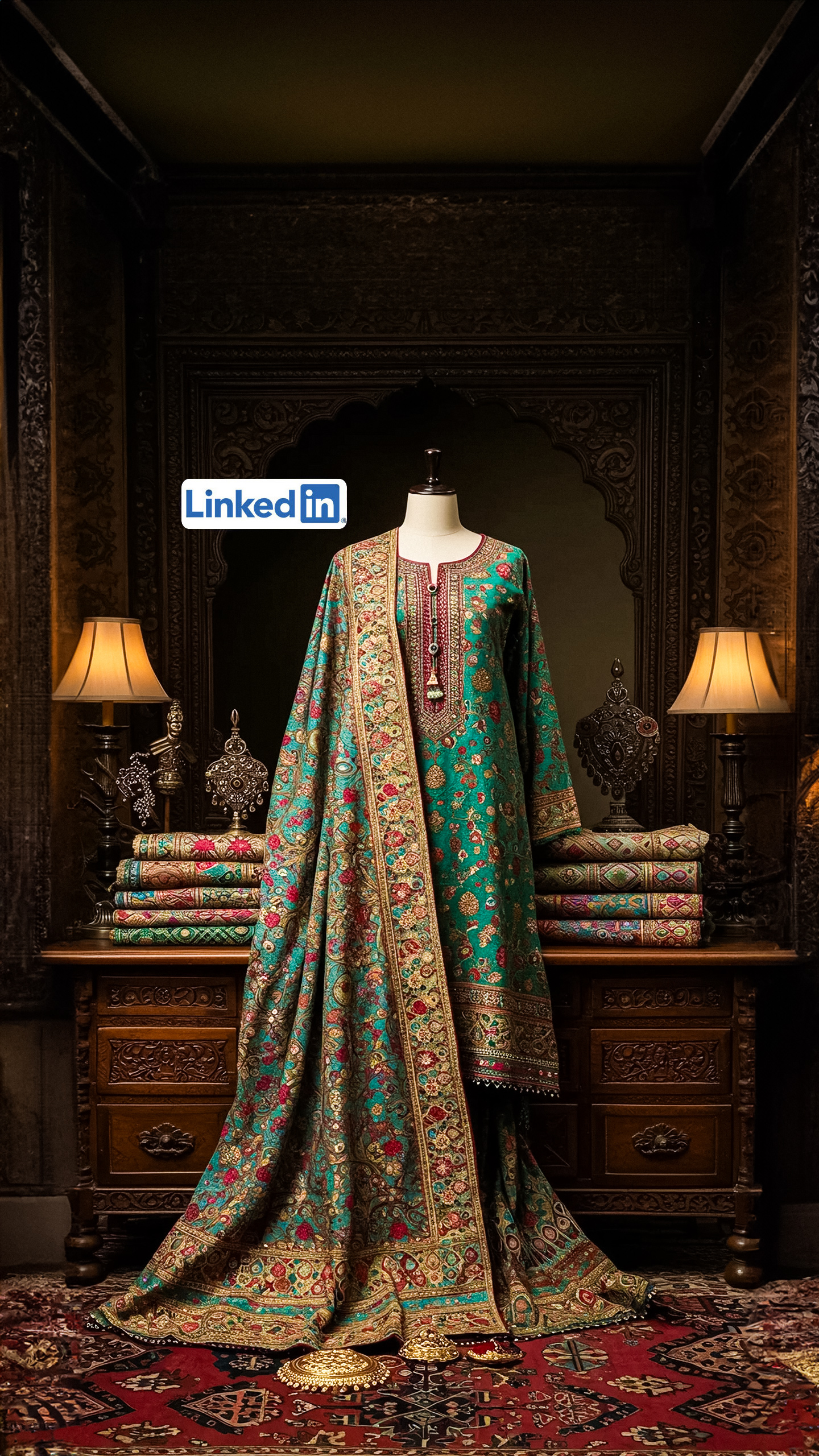
The modern youth are actively choosing sustainable practices, mirroring a revival of older customs but with an intentional, environmentally conscious approach. Social media platforms are buzzing with creators who are transforming vintage heirlooms, like Kanjeevaram sarees, into contemporary fashion pieces such as corseted lehengas. These innovative upcycling projects garner significant attention and views, signaling a powerful shift towards eco-friendly fashion choices. For those who find sewing intimidating, the message is clear: creativity and imagination are the only prerequisites. Simple initiatives like braiding old dupattas into mats or experimenting with eco-printing can breathe new life into existing fabrics, resulting in unique, personalized creations. This section empowers readers with the idea that they too can become their own designers, fostering a sense of personal style that is both sustainable and individualistic.
Economic Wisdom
The fundamental economic principle that 'wants are unlimited' directly fuels the fast fashion cycle. The constant desire for more, like that extra black tank top spotted on the street, is a powerful urge. However, consumers can effectively resist fast fashion by challenging this very principle and discerning between wants and needs. The author shares a personal realization gained from years of mixing and matching sarees and blouses in a hostel environment: tackling fast fashion is not only beneficial for the planet but also a pragmatic and economical choice for individuals. By embracing rewearing and swapping, one can significantly extend the utility of their wardrobe and foster a sense of community, creating a ripple effect that benefits everyone involved.
Patience and Reflection
The journey towards adopting sustainable fashion habits requires patience and a deliberate approach, much like the adage 'first time’s not the charm.' It involves research, understanding personal style preferences, gradual implementation, and introspection. The article prompts readers to consider the environmental impact of their choices, referencing a Deloitte study that indicates the textile sector is responsible for approximately 3.5 percent of global greenhouse gas emissions. The vast majority of materials used are conventionally sourced and subsequently discarded, often ending up in landfills. This section encourages a mindful detachment from the relentless pace of the fashion industry and a contemplation of the positive impact of choosing durability and sustainability. The author revisits the memory of the maroon lehenga, reinforcing the idea that sustainability is an age-old cultural practice, now amplified by contemporary platforms.