




Midlife Fitness Reimagined
The concept of a "perfect" fitness plan undergoes a significant transformation as women enter their 40s and beyond. Instead of pursuing punishing routines
aimed at shrinking the body, the emphasis shifts towards cultivating longevity, energy, strength, and resilience for the years ahead. This might involve incorporating more walking, prioritizing strength-building activities over sheer calorie burn, protecting joints from undue stress, and managing overall stress levels. Consistency in exercise becomes more valuable than sheer intensity. While cardio remains vital for cardiovascular health, an exclusive reliance on it without adequate strength training, proper nutrition, and sufficient recovery can paradoxically lead to feeling older rather than healthier. The overarching goal evolves from body alteration to building a robust and mobile physique capable of supporting an active and fulfilling life for decades to come, redefining what fitness truly means.
Hormonal Shifts & Exercise
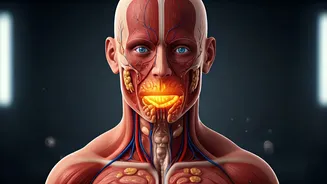
Around the age of 40, women experience significant hormonal fluctuations, primarily with estrogen and progesterone. These hormones play a crucial role in various bodily functions beyond menstruation, impacting metabolism, muscle regeneration, sleep patterns, fat distribution, mood, and overall energy levels. As estrogen levels decline during perimenopause and menopause, women may observe changes such as increased abdominal fat, a decrease in muscle mass, lower energy, slower post-exercise recovery, heightened inflammation, and diminished sleep quality. While men also undergo hormonal changes with age, the perimenopausal and menopausal transition for women is more abrupt and occurs over a shorter timeframe. This distinct hormonal journey is a primary reason why exercise can affect women's bodies differently than men's. An intense 45-minute cardio session that might be manageable for a man could disproportionately elevate a woman's stress hormones, particularly if her sleep, nutrition, or recovery is already compromised.
Strength Training's Crucial Role
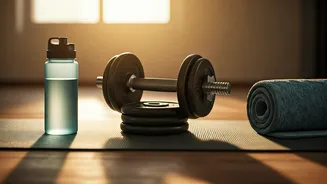
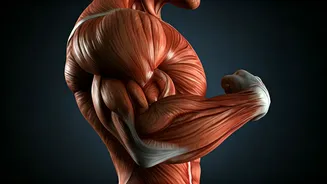
For many women navigating their 40s, the most beneficial fitness adjustment is not necessarily increasing exercise duration or intensity, but rather modifying the type of exercise performed. Strength training is paramount for counteracting the natural muscle loss that accompanies aging. It also plays a critical role in maintaining bone density, which is especially vital post-menopause as declining estrogen levels elevate the risk of osteoporosis. The Centers for Disease Control and Prevention (CDC) recommends that adults engage in muscle-strengthening activities at least twice a week. This doesn't necessitate lifting exceptionally heavy weights or dedicating extensive hours to the gym. Effective strength work can be achieved through methods like resistance bands, bodyweight exercises, Pilates, using light dumbbells, and incorporating functional movement training. Interestingly, women who integrate strength training into their routines often report improved body responses, even when reducing cardio. This is attributed to muscle's ability to enhance metabolic efficiency, enabling the body to utilize energy more effectively and reducing feelings of constant depletion.
The Undeniable Power of Recovery
A common pitfall for many active women beyond 40 is perceiving recovery as a sign of weakness or laziness. In younger years, the body typically possesses a remarkable capacity to bounce back swiftly from factors like inadequate sleep, strenuous workouts, stress, and insufficient calorie intake. However, the physiological shifts experienced in midlife alter this equation considerably. Recovery is no longer a secondary consideration but an integral component of the fitness process itself. Neglecting recovery can lead to increased inflammation and a heightened risk of injuries. Issues such as joint pain, plantar fasciitis, knee stiffness, and lower back discomfort often become more prevalent when workouts are demanding, yet rest and recuperation are insufficient. Prioritizing adequate rest allows the body to repair and rebuild, which is essential for sustained progress and injury prevention.
Navigating Cardio's Limits
Cardiovascular exercise is undeniably beneficial for maintaining heart health, improving circulation, enhancing lung function, and supporting mental well-being. However, problems can arise when cardio becomes excessive, displacing other crucial aspects of a balanced fitness regimen. Many women over 40 inadvertently fall into a cycle characterized by increased cardio, insufficient food intake, muscle loss instead of fat reduction, persistent fatigue, and diminishing returns on their efforts. Excessive cardio can elevate cortisol, the body's primary stress hormone. Prolonged elevated cortisol levels may contribute to stubborn abdominal fat accumulation, chronic fatigue, intense cravings, and disrupted sleep patterns. As women age, they naturally lose muscle mass, making strength preservation particularly important after 40, according to the US Office on Women’s Health. Traditional fitness plans often overlook this, focusing heavily on calorie expenditure while neglecting muscle maintenance, which is vital for metabolism, balance, blood sugar regulation, bone strength, and long-term mobility.
Rethinking Workout Philosophy
There was a time when fitness advice was straightforward: if weight loss or health was the objective, more cardio was the unequivocal answer. Long walks, marathon treadmill sessions, or daily cycling classes were considered the pinnacle of a healthy lifestyle. However, many women entering their 40s find this approach increasingly frustrating. The same exercise routines that once energized them now leave them feeling exhausted, achy, ravenously hungry, or unable to achieve their weight goals despite significant time investment. This change is not due to a lack of effort or laziness, but rather a fundamental biological shift. Women's bodies differ from men's, and these differences become more pronounced after 40, impacting hormonal balance, muscle mass, stress responses, bone health, and metabolism. This necessitates a more intelligent equilibrium between various forms of movement, adequate recovery, targeted strength training, and proper nutrition, rather than a singular focus on high-volume cardio.
Holistic Well-being Factors
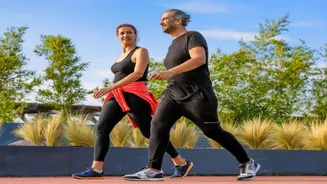
Beyond structured workouts, several other lifestyle factors significantly influence a woman's fitness journey after 40. Paying close attention to sleep quality is paramount, as it directly impacts recovery and hormonal balance. Adequate protein intake is essential for muscle repair and maintenance, supporting overall strength. Effective stress management techniques are crucial, as chronic stress can negatively affect hormone levels and hinder progress. Staying hydrated is fundamental for all bodily functions, including exercise performance and recovery. Incorporating dedicated recovery days into the weekly schedule allows the body to repair and adapt. Furthermore, gentle movement practices like walking or yoga can contribute to overall health and mobility without placing excessive stress on the body. According to the National Institutes of Health, regular, balanced physical activity promotes healthy aging, but consistency and recovery are more influential than extreme intensity. Many women discover that reducing high-intensity cardio and embracing slower, more mindful movement can lead to feeling significantly better, indicating their bodies are seeking a more balanced approach.