






Refrigerant Risks
While modern air conditioners typically use safe refrigerants like R-134a or R-410A, a significant danger arises when cheaper, counterfeit hydrocarbon
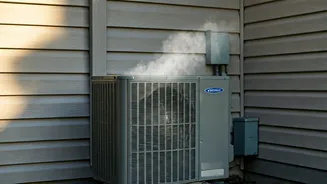
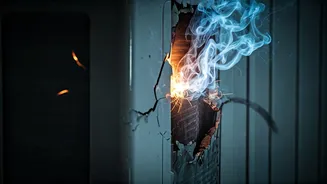
gases are employed. These alternative gases are highly flammable and can easily ignite if a leak occurs near a spark source, such as those found in the compressor or wiring. Such ignition can quickly escalate into a fire or a devastating explosion. To mitigate this risk, it is paramount to always verify and ensure that only certified, reputable parts are used in your AC system. Opting for genuine components significantly reduces the likelihood of encountering these hazardous, flammable refrigerants and safeguards against potential explosions.
Maintenance Neglect
Over time, air conditioners accumulate dust and debris, particularly in their filters and coils. When these components become blocked, airflow is severely restricted, forcing the compressor to work harder and leading to overheating. This sustained strain can build excessive pressure within the unit, potentially causing vital parts to rupture violently. Proactive and regular maintenance is key to preventing such catastrophic failures. Simple actions like cleaning the filters on a monthly basis, coupled with annual professional check-ups by certified technicians or official service personnel, are essential for ensuring the AC operates safely and efficiently, thereby preventing dangerous pressure build-up and potential explosions.
Electrical Shortcomings
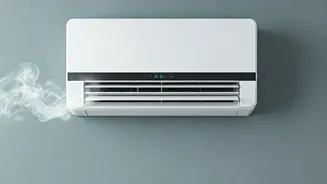
Electrical malfunctions represent another significant pathway to AC-related fires and explosions. Issues such as short circuits, incorrect wiring configurations, or electrical overloads can generate excessive heat within the unit, particularly during prolonged periods of operation in hot weather. This overheating can lead to the failure of components like motors or capacitors, potentially resulting in a fire. To avert these dangers, it's advisable to use voltage stabilizers, conduct annual inspections of all wiring, and strictly avoid using extension cords, which are often not designed to handle the power demands of AC units and can lead to dangerous overloads.
Installation Errors
The way an air conditioner is installed plays a crucial role in its safe operation. Incorrect setups, whether for window units or even those in vehicles, can lead to imbalances in pressure or compromise the integrity of seals. If safety valves, designed to release excess pressure, fail to function correctly due to an improper installation, the pressure can spike dramatically, leading to a potential blast. It is therefore essential to always engage certified and experienced installers who will meticulously test the unit post-installation to ensure it is balanced, leak-free, and operating within safe parameters, thereby preventing any hazardous pressure build-ups.