
Cultural Roots & Evolution
Bollywood's style is deeply interwoven with India's cultural fabric. Initially, costumes closely mirrored traditional attire, with sarees, salwar kameez,
and other regional garments prominent. This phase established a strong connection between the film industry and the nation's heritage. Over time, as Bollywood's reach expanded globally and India modernized, fashion choices started to evolve. Designers began to experiment with Western influences, blending them with Indian aesthetics. This fusion allowed for a more diverse range of styles, reflecting India's integration with the global landscape while maintaining its cultural identity. The impact of movies on style trends is undeniable, influencing the masses and shaping fashion preferences.
Influence on Fashion
Bollywood's influence extends far beyond the silver screen, profoundly shaping the Indian fashion industry and consumer behaviour. A movie's release frequently sparks trends, with the outfits worn by actors quickly copied by fans and fashion enthusiasts across India. The use of certain colours, fabrics, and design elements often becomes immediately popular. In addition to influencing trends, Bollywood also boosts the careers of Indian designers and stylists. As their work gains visibility through movies, they acquire significant recognition and wider market opportunities. These professionals can then showcase their talents to a vast audience, driving innovation and change within the fashion landscape. The industry also helps introduce new concepts, like fusion wear, which can blend Indian and Western styles, leading to the broader acceptance of such innovative styles.
Star Power & Trends
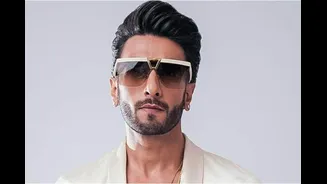
Bollywood stars wield significant influence on fashion trends. Their style choices are meticulously watched and often mirrored by their fans. When an actress wears a particular outfit in a movie or at a public event, there's a surge in demand for similar items. This impact is intensified through social media, where stars regularly post images and style updates, further solidifying their role as fashion icons. Actresses like Kareena Kapoor Khan, Alia Bhatt, and Tara Sutaria consistently inspire new trends. Their clothing choices, be it traditional sarees, modern dresses, or casual wear, are closely followed and quickly adopted. This cycle of influence drives the industry, prompting designers to create styles that cater to these preferences, thus ensuring that fashion in Bollywood remains fresh, innovative, and deeply connected to the audience's preferences.
Beyond Aesthetics
Fashion in Bollywood also tells stories beyond the aesthetic level. It can reflect social changes, cultural celebrations, and even political statements. Costumes and styles often mirror the socio-economic context of the films, accurately showing how societal norms and values evolve. For example, during certain periods, you might notice an increase in traditional clothing to reflect national pride. In other instances, modern attire may reflect the rise of urban culture and youth preferences. Fashion is therefore a powerful tool of representation that mirrors the complexities of Indian society. This allows the film industry to engage with its audience more profoundly. Furthermore, it helps to initiate conversations about social issues and cultural movements. Bollywood fashion, thus, transcends being just visually appealing, becoming a vehicle for narratives and reflections.
Future of Bollywood Style
The future of Bollywood style looks promising, with trends indicating an even greater blend of Indian traditions and international influences. We can expect to see more experimentation with fabrics, silhouettes, and innovative design. There will also be a growing emphasis on sustainable and ethical fashion practices, aligning with a global focus on environmentally conscious consumption. Bollywood designers are also more aware of inclusivity and diversity in their designs. This means a wider range of styles to cater to varied body types, skin tones, and cultural backgrounds. The integration of technology, like virtual try-ons and digital fashion shows, will play a significant role in how trends are shown and shared. The industry is on track to continue evolving, maintaining its cultural significance and inspiring fashion trends for years to come.