
Linen's Evolving Image
Linen, once predominantly associated with relaxed holiday attire and casual wear, has undergone a significant metamorphosis. Previously, it was the go-to
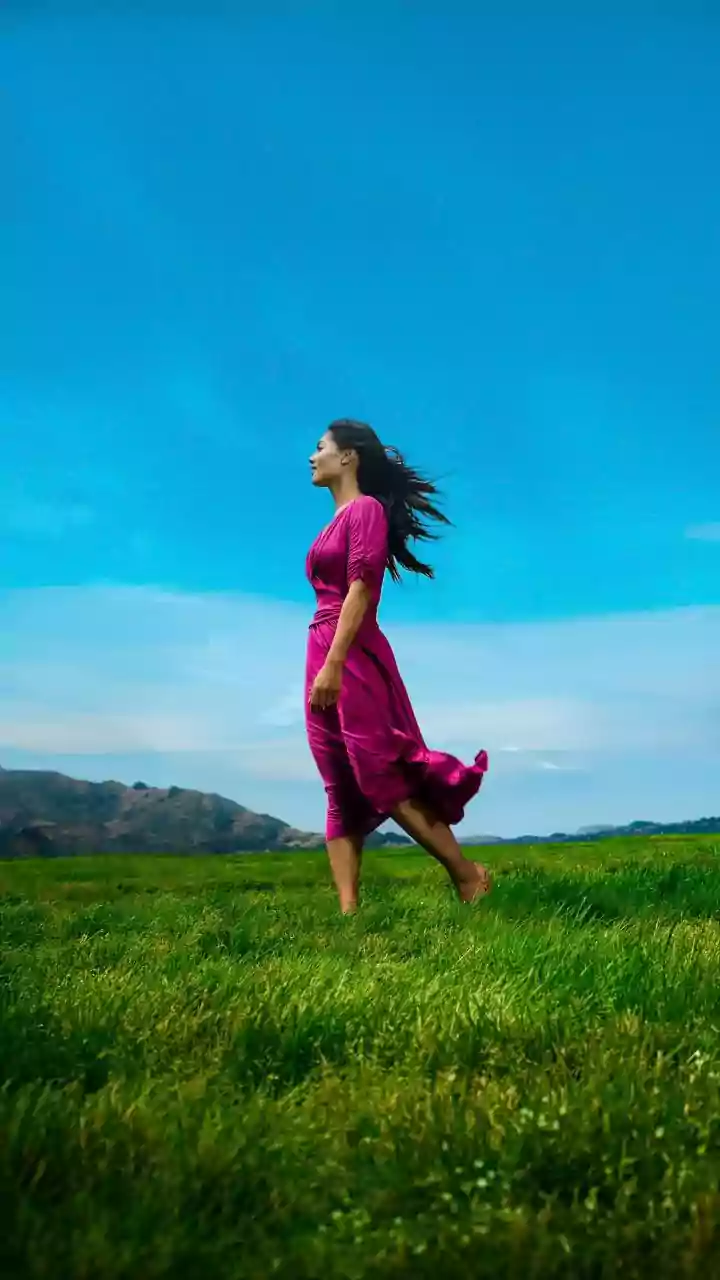
fabric for breezy beach shirts and simple dresses, evoking a sense of carefree leisure and a slightly rumpled, easygoing charm. However, in recent times, linen has shed its exclusive vacation persona and has been thoughtfully integrated into daily wardrobes, signaling a shift in its perceived value and application. This fabric now represents a more deliberate style choice, moving beyond its past associations to embrace a more refined and intentional presence in fashion. Its inherent qualities of breathability and comfort remain, but they are now channeled into garments that project a more sophisticated and versatile aesthetic, suitable for a wider array of occasions and settings.
The Rise of Understated Style
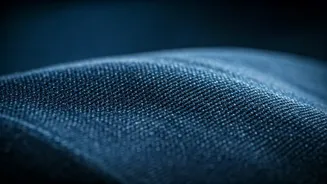
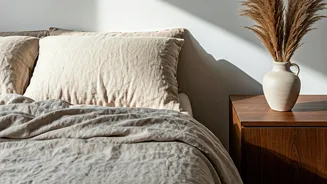
The current fashion narrative is increasingly veering towards "quiet luxury," a concept that prioritizes substance, feel, and longevity over ostentatious branding. Linen naturally aligns with this ethos, emphasizing texture and inherent wearability rather than striving for a perfectly smooth finish. The characteristic slight creases of linen are no longer viewed as imperfections to be meticulously corrected but are embraced as part of the fabric's authentic charm and relaxed elegance. This acceptance of its natural state contributes significantly to its broader appeal, allowing it to transition seamlessly from relaxed environments to more structured settings. The fabric's adaptability means it can be styled to suit diverse contexts, proving far more versatile than its previous image suggested.
Modern Linen Construction
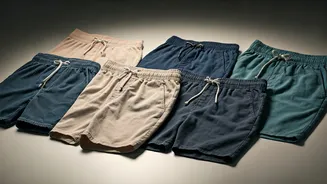
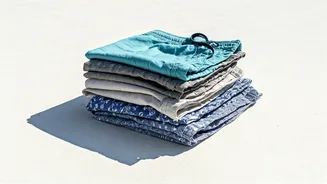
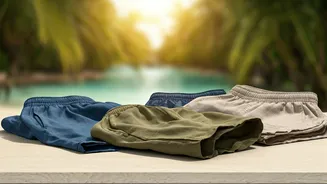
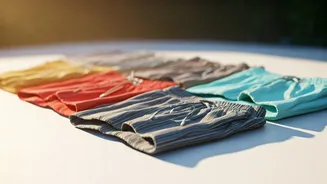
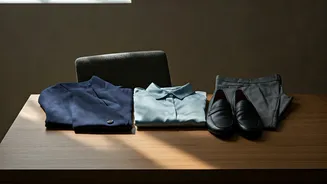
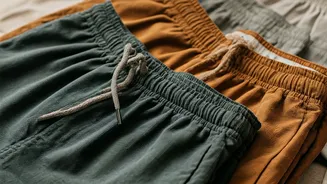
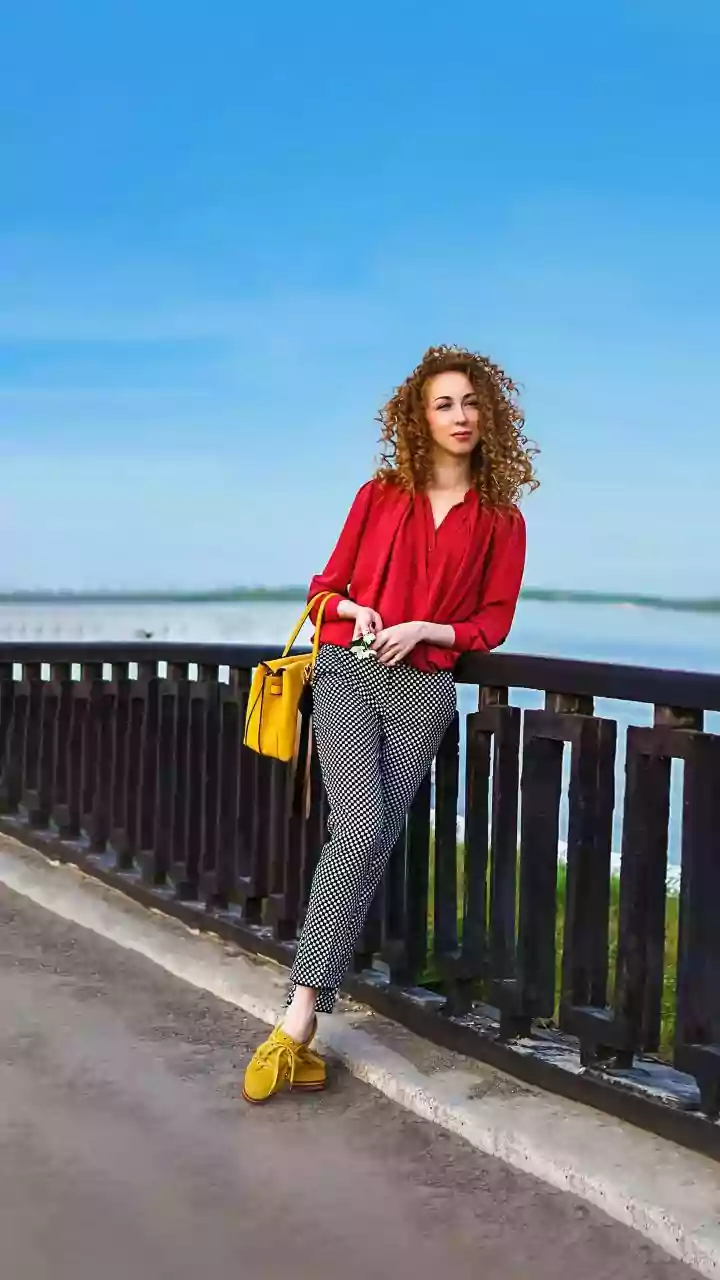
A pivotal factor in linen's elevated status is the innovation in its construction and tailoring. Gone are the days when linen was exclusively confined to loose, oversized silhouettes. Contemporary fashion embraces linen with a new level of sartorial precision, incorporating clean lines, well-defined shoulders, and expertly structured pieces. These garments maintain their shape and provide a polished appearance while still offering the lightweight comfort that defines the fabric. This evolution allows linen to perform exceptionally well in city environments as well as coastal settings. Neutral palettes, including ivory, sand, and soft olive hues, lend a refined sensibility, while deeper tones add a touch of understated drama. The fabric's inherent adaptability ensures it can be shaped and styled to fit a multitude of fashion sensibilities and occasions.