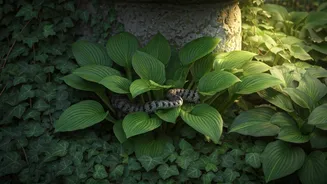







Surprising Snake Sanctuaries
Many assume snakes inhabit only wilder terrains, yet gardens frequently serve as prime real estate for these creatures. The allure lies in fulfilling their
fundamental needs for shelter, sustenance, and safety. Gardens, particularly those with overlooked nooks, offer precisely this. Snakes are masters of discretion, preferring quiet, concealed environments, making their presence easily missed unless one knows where to look. Understanding their preferred hiding spots and the reasons behind their choices is key to anticipating and avoiding unexpected encounters, fostering a more informed approach to sharing your garden space.
The Ultimate Hideaways
Piles of discarded materials, such as stacked firewood, heaps of leaves, or accumulations of garden debris, represent a significant draw for snakes. These locations provide crucial 'shelter and protection,' shielding them from potential predators and the harshness of extreme weather conditions. The dense nature of these piles creates numerous small crevices and shaded retreats, forming natural shelters that snakes find ideal. Because these areas are often left undisturbed for extended periods, they become established havens, offering a consistent sense of security and seclusion for snakes looking to rest and avoid detection.
Why These Spots Appeal
Snakes don't randomly select their resting places; their choices are driven by survival imperatives. They actively seek out environments that offer warmth and security. Open areas expose them to predators, making sheltered spots like covered wood piles a preferable choice. Furthermore, reptiles rely on external temperatures to regulate their body heat, and the consistent, stable environment found in insulated, shaded areas is vital for their metabolic processes. These hidden locations also attract rodents and insects, which in turn serve as a readily available food source for snakes. Many snake species also prefer damp conditions, and leaf litter or wood piles retain moisture, creating a comfortable microclimate.
Beyond the Piles
While debris piles are favored, snakes can inhabit various other garden zones. Overgrown grass and unkempt vegetation offer excellent camouflage and facilitate discreet movement. Beneath stones and rocks, they find warmth from retained heat and concealed spaces. Sheds and garden storage units, being dark and undisturbed, provide safe retreats. Additionally, areas adjacent to water sources like ponds or drains can attract snakes, as these locations often support populations of their prey, such as amphibians and rodents.
Spotting Subtle Signs
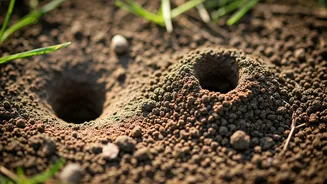
Although snakes are reclusive and actively avoid human interaction, their presence can often be inferred from subtle clues. The most definitive sign is finding shed snake skin, a clear indication of a snake having recently occupied the area. Observing slithering tracks in dusty or soft soil can also point to their movement. An increase in rodent activity might signal that snakes, as predators, have established a hunting ground. Lastly, the appearance of new, unexplained holes or burrows could indicate that a snake has taken up residence.
The Unseen Presence
Snakes are inherently cautious creatures, masters at remaining concealed and moving with minimal disturbance. Their natural inclination is to avoid confrontation and visibility, especially around humans. This innate discretion is a primary factor contributing to their ability to inhabit gardens for extended periods without being detected. Their quiet nature and preference for seclusion mean that unless deliberately disturbed, they will remain hidden, making them difficult to spot even when in close proximity.
Understanding the Risk
It's important to note that not all garden snakes pose a threat; many are beneficial, helping to control pest populations like rodents. However, caution is advised. Some regions may have venomous snake species, and any snake that feels cornered or threatened may resort to biting. The primary risk often stems from human fear and panic upon an unexpected encounter, which can lead to unsafe reactions. Maintaining a respectful distance and understanding their behavior is crucial for safe coexistence.