








Ancient Lineage
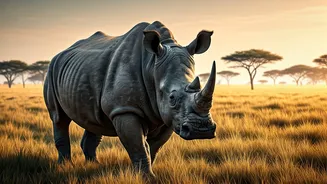
Rhinos are living relics of Earth's past, predating humanity by millions of years. Their evolutionary journey began long before humans walked the planet,
with some ancient ancestors being considerably larger than today's rhinos. This deep history contributes to their formidable, almost prehistoric appearance, making them seem like creatures from a bygone era. Their continued existence is a testament to their remarkable adaptability and survival over vast stretches of time.
Five Surviving Species
Currently, the rhino family comprises five distinct species: the White Rhino, Black Rhino, Indian Rhino, Javan Rhino, and Sumatran Rhino. While some inhabit the diverse landscapes of Africa, others are found across various regions of Asia. It's a somber reality that several of these species are critically endangered, facing immense pressure that threatens their long-term survival in the wild.
Keratin Horns
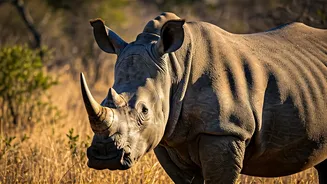
Contrary to popular belief, a rhino's impressive horn is not composed of bone. Instead, it's primarily made from keratin, the very same protein that forms human fingernails and hair. Despite this biological makeup, the demand for these horns on the black market continues to fuel illegal poaching, posing a severe threat to rhino populations worldwide. This persistent hunting is a major driver of their endangered status.
Surprisingly Swift
Don't let their substantial size fool you; rhinos are capable of remarkable bursts of speed. When they feel threatened or need to escape danger, these massive animals can achieve speeds nearing 50 km/h. This surprising agility allows them to navigate their environment with an unexpected level of swiftness, showcasing a dynamic aspect of their physiology that belies their bulky appearance.
Mud Bath Benefits
Rhinos frequently indulge in mud baths, and this behavior serves a crucial purpose beyond just cooling down. The thick layer of mud acts as a natural protective shield for their sensitive skin, defending it against the harsh effects of intense sunlight and deterring irritating insects. This practice is a vital adaptation for maintaining skin health and comfort in their natural habitats.
Limited Vision
Rhinos possess rather poor eyesight, particularly when it comes to distinguishing objects at a distance. To compensate for this visual limitation, they heavily rely on their acute sense of hearing and a highly developed sense of smell. These sensory strengths allow them to effectively perceive their surroundings and detect potential threats or opportunities.
Avian Companions
In their African habitats, rhinos often host feathered guests. Birds known as oxpeckers commonly perch on their thick hides. These helpful birds feed on ticks and other parasites found on the rhino's skin, providing a natural grooming service. This symbiotic relationship benefits the oxpeckers by offering a food source and aids the rhinos by keeping them cleaner and free from bothersome pests.
Extended Motherhood
Rhino calves maintain a very close bond with their mothers for an extended period, often staying by their side for up to three years. During this formative time, young rhinos learn essential survival skills, including foraging techniques and predator evasion. This prolonged maternal care ensures they are adequately prepared to face the challenges of the wild independently.
Ecosystem Engineers
Rhinos play an unexpectedly significant role in maintaining the health and balance of their ecosystems. Through their grazing habits and movements across grasslands, they help to shape and manage vegetation. This activity creates diverse habitats that benefit a wide array of other animal species sharing the same environment, demonstrating their importance beyond their immediate ecological niche.
Enduring Threats
Despite their ancient history and impressive resilience, rhinos continue to face severe threats today. The persistent dangers of poaching for their horns and the ongoing destruction of their natural habitats place many rhino populations in peril. While dedicated conservation initiatives in various countries have achieved some successes in protecting certain species, others remain precariously close to the brink of extinction.