





Marigolds: Cheerful Deterrent
Marigolds, with their vibrant yellow and orange hues, are a familiar sight and incredibly easy to cultivate, instantly livening up any environment. Beyond
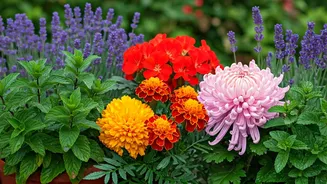
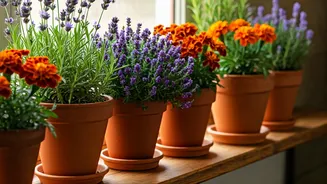
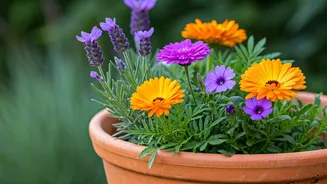
their aesthetic appeal, these cheerful blossoms possess a distinct, somewhat potent fragrance that many insects find off-putting. Since lizards often frequent areas rich in insect life, a reduction in the bug population naturally makes your home less attractive to them. Cultivating marigolds near windows, on balconies, or in spots where lizards have been previously observed can effectively limit their presence by disrupting their primary food source, all while adding a splash of colour and life to your living spaces. They are a simple yet effective tool for creating a less hospitable atmosphere for unwanted reptilian guests without resorting to harsh chemicals.
Lavender: Calming Scent, Lizard Repellent
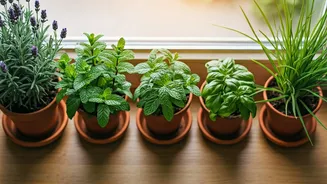
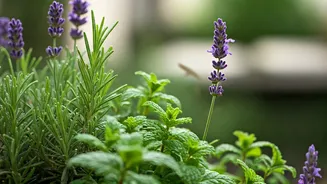
Lavender is universally cherished for its profoundly calming and aromatic qualities, making it a popular choice for aromatherapy, oils, and personal care products. However, the very scent that soothes humans can be quite overwhelming and repellent to lizards and a variety of insects. Introducing lavender plants near entry points like doors and windows can help create a fragrant barrier, deterring insects and, consequently, reducing the reasons for lizards to venture inside. The pleasant side effect is a consistently fresh, spa-like aroma pervading your home, offering a dual benefit of pest control and olfactory enhancement. This plant serves as a gentle yet effective way to make your home less appealing to both bugs and the reptiles that follow them.
Chrysanthemums: Beauty and Defense
Chrysanthemums, renowned for their lush and colorful floral displays, offer more than just visual appeal. These striking flowers contain naturally occurring compounds known as pyrethrins. These substances are potent insecticidal agents and are frequently utilized in commercially produced insect repellents. Therefore, as you admire the beautiful blooms, the plants are actively working to deter insects from your home. A decrease in insect activity directly translates to a less enticing environment for lizards, which rely on these smaller creatures for sustenance. Placing chrysanthemums on balconies or in areas prone to insect congregation provides a decorative and functional solution to manage both pests and potential lizard intrusions.
Geraniums: Effortless Fragrance
For those seeking a low-maintenance option, geraniums are an excellent choice, offering a pleasing fragrance that is subtle to humans but effectively repels insects and other small pests. This natural deterrent extends to lizards, which are less inclined to inhabit spaces where their food sources are unwelcome. Geraniums thrive in pots, requiring minimal care while contributing soft, colorful accents to your home decor. Strategically positioning these plants near windowsills, corners, or any area where lizards have been spotted can help create a less inviting zone for them. Their ease of care and attractive appearance make them a practical and stylish addition to any home aiming for natural pest management.
Mint Flowers: Potent Aroma
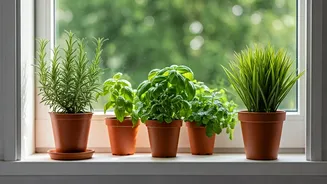
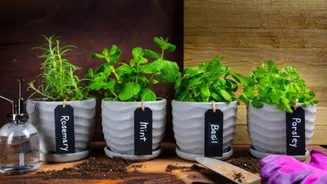
While mint is primarily recognized for its versatile leaves, essential for culinary delights like chutneys and refreshing beverages, its flowering stage also offers significant benefits in pest control. The sharp, invigorating scent of mint is highly effective at repelling lizards and other small creatures that find the aroma unpleasant. This strong fragrance creates a natural barrier, discouraging them from entering or lingering in your living spaces. Mint is exceptionally easy to grow, even in small containers, making it a practical choice for kitchens or balconies. Beyond its repellent properties, having a mint plant readily available also ensures fresh leaves for your drinks and cooking, providing a delightful practical advantage.