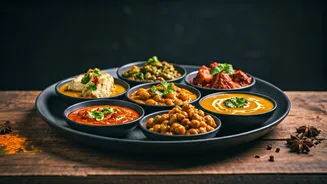

Punjabi Food's Allure
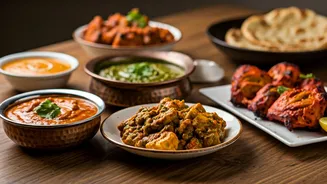
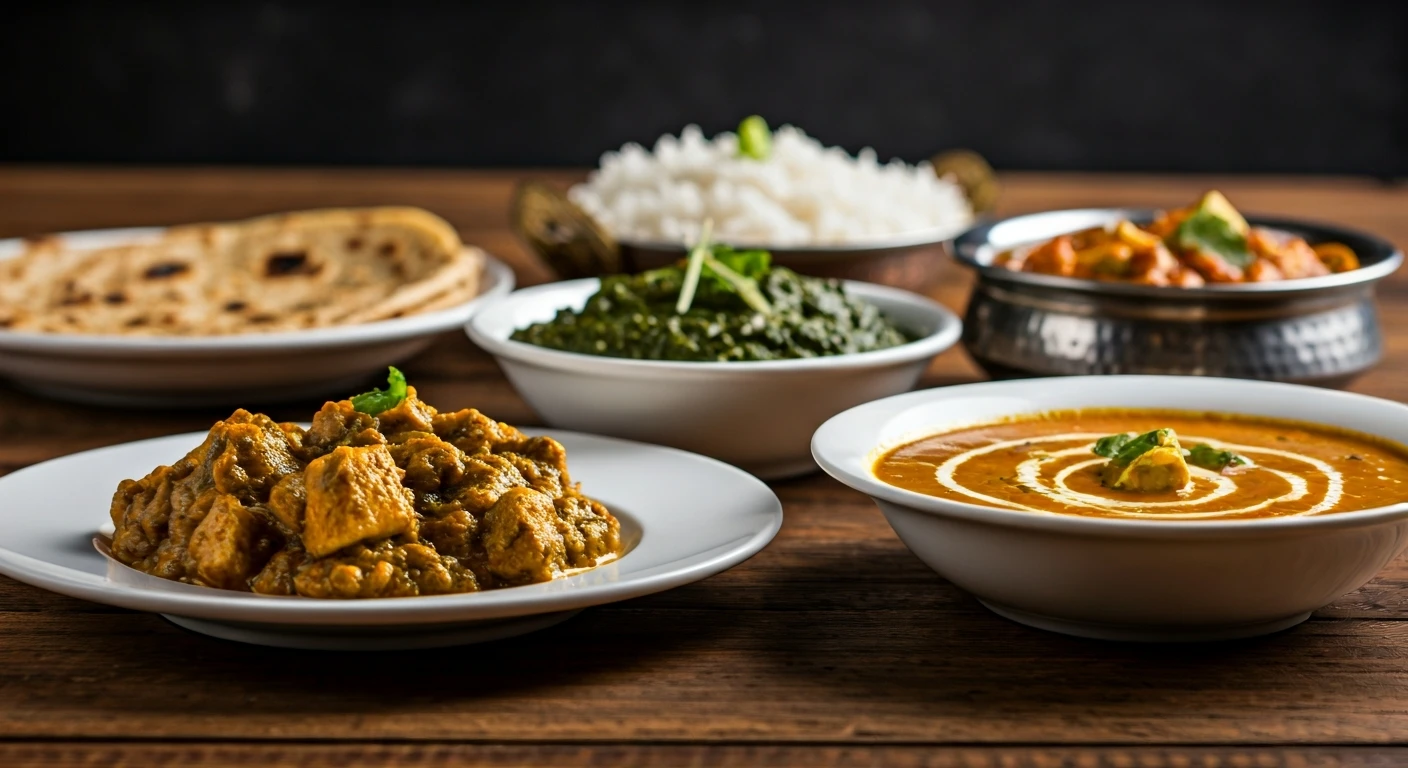
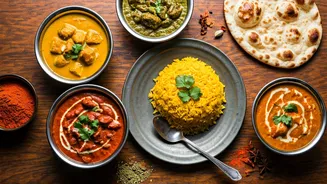
Punjabi cuisine, renowned for its rich flavors and generous use of spices, has a wide appeal in India and beyond. Dishes like butter chicken, parathas,
and sarson da saag are not just meals; they represent a cultural identity. The key to understanding Punjabi food lies in recognizing its diverse ingredients and cooking methods. Many dishes incorporate dairy products like ghee and cream, adding to their distinct taste and texture. While some may view this cuisine as heavy, nutritionists often highlight the presence of ingredients that offer substantial nutritional benefits. The popularity of Punjabi food is a testament to its deliciousness and the communal aspect of sharing a meal, making it an integral part of the Indian culinary experience.
Decoding Nutritional Benefits
Nutritionists often focus on the positive aspects of Punjabi cuisine to encourage balanced eating. For example, dishes that include vegetables like spinach (sarson da saag) or fenugreek (methi) are recognized for their fiber and vitamin content. The inclusion of whole grains, such as in roti and parathas, provides essential carbohydrates and energy. Furthermore, the spices that are fundamental to Punjabi cooking, like turmeric, ginger, and garlic, have recognized anti-inflammatory and antioxidant properties. Protein sources, particularly from lentils (dal) and paneer, can be included to contribute to overall nutritional balance. Recognizing these elements permits a more nuanced understanding of Punjabi food, showing how it can be incorporated into a balanced diet.
Healthy Punjabi Dishes
While some Punjabi dishes might be associated with richness, there are several healthier alternatives. Sarson da saag, made with mustard greens, is packed with vitamins and antioxidants. Dal makhani, despite its creamy texture, is rich in protein from the lentils. Tandoori chicken, cooked in a tandoor oven, is generally a lean protein option. When preparing parathas and rotis, opting for whole wheat flour adds more fiber. Even when enjoying dishes such as butter chicken, reducing the amount of cream or using lighter cooking methods can make a significant difference. Portion control and smart ingredient choices are crucial to enjoying Punjabi food in a way that aligns with health and wellness objectives. Balancing these dishes with other nutrient-rich foods is the key to creating a well-rounded diet.
The Badshah Diet Concept
The idea of associating rapper Badshah with a diet offers a contemporary perspective on how to integrate favorite foods into a balanced lifestyle. Badshah, like many others, likely enjoys Punjabi food. The 'Badshah Diet' doesn't necessarily mean a strict regimen; instead, it is an approach to enjoying Punjabi cuisine responsibly. This involves making informed choices, such as selecting lean meats, incorporating a variety of vegetables, and moderating portion sizes. The concept highlights the significance of balance and mindfulness in eating habits, rather than extreme measures. This approach is practical and sustainable, allowing one to relish the flavors of Punjabi cuisine without compromising health.
Mindful Eating Practices
Incorporating mindful eating practices can substantially enhance the experience of enjoying Punjabi food. This involves being conscious of hunger and fullness signals, savoring each bite, and avoiding distractions while eating. Being attentive to the flavors, textures, and aromas of the food enables a deeper appreciation of the meal. It also helps in preventing overeating, a common challenge with rich and flavorful foods. Portion control becomes easier when one is fully present during the meal. By slowing down and paying attention to each aspect of the dining experience, one can enjoy Punjabi cuisine more and improve overall eating habits. This approach emphasizes quality over quantity and enjoyment over deprivation, making healthy eating a pleasurable experience.
Pairing Punjabi Dishes
Pairing Punjabi dishes thoughtfully can boost both their taste and nutritional value. For instance, combining a rich dish like butter chicken with a side of mixed vegetable raita, which provides probiotics and fresh vegetables, enhances the meal. Choosing whole-grain roti instead of white bread increases fiber intake. Including a fresh salad with leafy greens and a squeeze of lemon offers vitamins and antioxidants to offset the richness. Balancing a heavy dish with lighter options ensures a balanced meal. Drinking water or enjoying a refreshing buttermilk can aid digestion and hydration. Carefully considered pairings allow one to enjoy the full spectrum of Punjabi cuisine while supporting a healthy and well-rounded diet.
Adapting Punjabi Cuisine
Adapting Punjabi recipes for healthier eating at home is easy. Experiment with lighter cooking methods like baking or grilling instead of deep-frying. Reduce the amount of ghee and oil used in preparation, substituting with healthier alternatives such as olive oil or avocado oil. Incorporate more vegetables and lean proteins into traditional recipes. For example, add more vegetables to a vegetable curry or use skinless chicken in tandoori dishes. When making parathas, opt for whole-wheat flour or add vegetables to the dough to boost their nutritional content. These adjustments allow you to enjoy the authentic flavors of Punjabi cuisine while meeting your health goals. Adapting recipes is also an excellent way to personalize your meals and experiment with new tastes and textures.
Conclusion: A Balanced Approach
The 'Badshah Diet' concept, viewed through the lens of nutritional insight, underscores the possibility of enjoying Punjabi food within a balanced and healthy lifestyle. By understanding the nutritional composition of various dishes, embracing mindful eating practices, making smart choices, and adapting recipes for healthier outcomes, it is possible to savor the rich flavors of Punjabi cuisine without compromising your health. The key is balance, enjoyment, and informed decisions. This allows individuals to embrace the culinary heritage of Punjabi food, maintaining their health and well-being. Focusing on this approach encourages a sustainable and fulfilling relationship with food.