





Embroidery's Rich Heritage
Marodi embroidery, a testament to India's rich textile traditions, is experiencing a renaissance, thanks to celebrities like Kajol. This intricate embroidery style
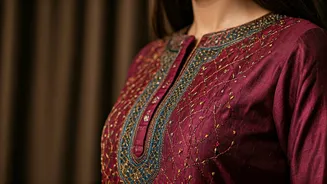
is characterized by its meticulous detailing and the creation of raised patterns on fabric. The craft's origins are deeply rooted in the cultural heritage of specific regions, with skilled artisans passing down their expertise through generations. Marodi work often features elaborate floral or geometric designs, reflecting the motifs and symbols prevalent in the culture it represents. The process involves skilled hands using fine needles and threads to create the raised effect, which gives the finished product a unique texture and visual depth. This embroidery technique, which has been part of Indian fashion for centuries, has found its way back into contemporary designs, and its revival showcases its timeless appeal and ability to adapt to modern tastes while preserving its traditional roots.
Craft's Detailed Artistry
The beauty of Marodi embroidery lies in its intricate detailing, requiring immense skill and patience from the artisans. The process starts with outlining the design on the fabric, which then serves as a guide for the embroidery work. The artisans use fine needles and colorful threads, often silk or cotton, to create the raised effect that defines Marodi embroidery. The technique involves a combination of different stitches, carefully applied to build up the pattern. This meticulous process ensures that the designs are elevated and textured. The artisans work with precision to ensure that each stitch is placed correctly, contributing to the overall beauty of the piece. The result is a tactile piece of art, showcasing the artisans' expertise and dedication. The embroidery can range from simple, elegant designs to elaborate patterns, depending on the desired outcome and the skill of the artisan, making each piece of Marodi embroidery unique.
Kajol's Kurta & Impact
When Kajol chose to wear a Marodi-embroidered silk kurta set, it brought significant attention to the craft. Her choice showcased the elegance and beauty of the embroidery, capturing the attention of fashion enthusiasts and media alike. This brought the spotlight back on the artisans and the craft. Her decision brought awareness to a broader audience, which highlighted the beauty of traditional Indian craftsmanship. The media coverage and social media buzz further amplified the visibility of Marodi embroidery. This celebrity endorsement has the potential to influence fashion trends, encouraging designers and consumers to appreciate and embrace traditional crafts. Kajol's kurta set became a symbol of the craft's timeless appeal and relevance in the modern fashion landscape, encouraging further exploration and appreciation for the craft.
Origins and Regional Roots
Marodi embroidery is primarily associated with the regions of Rajasthan and Gujarat, where the craft has flourished for centuries. These areas are known for their rich textile traditions and have long been centers of artisan communities specializing in various forms of embroidery. The geographical origins of Marodi embroidery are interwoven with the cultural heritage of these regions, reflecting the artistic styles and motifs of the local communities. The artisans in these areas have perfected the techniques of Marodi embroidery, passing down their knowledge through generations. The local communities in these regions have kept the tradition alive. The availability of local materials like silk and cotton also makes these areas ideal locations for the craft. Understanding the roots of Marodi embroidery provides a deeper appreciation of its significance and the cultural context within which it has evolved.
Modern Fashion Appeal
Marodi embroidery's appeal extends beyond its historical significance, making it highly relevant in contemporary fashion. Designers are incorporating this classic craft into modern clothing. The combination of traditional techniques with modern designs results in unique and stylish garments that are popular among a broad audience. The craft's versatility means it can be applied to different types of garments. The popularity of handcrafted and artisanal fashion has fueled the resurgence of Marodi embroidery, aligning with the growing demand for sustainable and ethically made clothing. This trend allows artisans to continue their craft while appealing to customers seeking unique and culturally rich fashion items. Marodi embroidery is now a symbol of timeless elegance and cultural heritage.
Preserving the Craft
Efforts to preserve and promote Marodi embroidery are critical to its long-term survival. Supporting the artisans through fair trade practices, enabling them to earn a sustainable livelihood while upholding their traditional skills, is key. Another important step is the creation of educational programs that highlight the historical, cultural and artistic importance of Marodi embroidery. These initiatives increase public awareness and appreciation of this traditional craft. Collaborating with designers and brands to create contemporary designs that incorporate Marodi embroidery also ensures that the craft remains relevant in the modern fashion world. Another important element is the digital documentation of the embroidery, which helps share the craft with a wider audience. By implementing these measures, the future of Marodi embroidery can be secured.