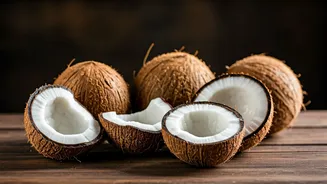

A Coconut Celebration
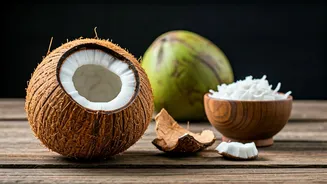
India's culinary artistry shines brightly as 12 of its dishes have earned accolades, showcasing the versatility of coconut. Coconut, a staple in many Indian
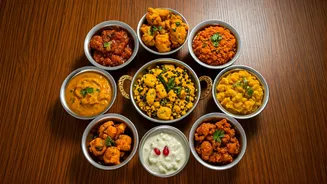
kitchens, offers a unique flavor profile that enhances both sweet and savory dishes. This recognition highlights India's diverse food culture and its contribution to global gastronomy. These dishes not only tantalize the taste buds but also provide insights into the culinary practices passed down through generations. From coastal specialties to regional favorites, each dish tells a story of tradition and innovation, celebrating the essential role coconut plays in Indian cuisine. These are dishes that have earned their place among the world's best coconut dishes, a true testament to the flavors that define Indian food.
Coastal Coconut Curry
Coastal regions of India, known for their abundant coconut trees, have mastered the art of coconut curry. These curries are often made with coconut milk, which provides a creamy base for seafood, vegetables, and meats. Each coastal state boasts unique variations, from the tangy flavors of Kerala's fish curry to the rich and spicy preparations from Goa. The use of fresh coconut gratings and coconut oil further enhances the authentic taste and aroma. This flavorful combination often includes the blend of spices like turmeric, ginger, garlic, and chilies, offering a harmonious balance of flavors. The cultural significance of coconut is deeply embedded in these curries, reflecting the region's agricultural and culinary identities.
Appam with Stew
Appam, a pancake made from fermented rice batter, is often paired with a stew rich in coconut milk and vegetables or meat. This combination is a breakfast staple in South India and offers a delightful textural contrast and flavor synergy. The light and airy appam is ideal for soaking up the creamy, flavorful stew. The stew's rich coconut milk base is infused with warming spices, resulting in a comforting and satisfying meal. The practice reflects the influence of tradition in every meal. The mild sweetness of the appam complements the stew's savory and complex tastes, demonstrating the elegance of Indian food pairings.
Coconut Rice Delights
Coconut rice is a common dish made by cooking rice with coconut milk, often flavored with spices and herbs. It is a simple yet versatile dish, served as a staple side dish or as a component in more complex recipes. The coconut milk adds a subtle sweetness and richness to the rice, while the aromatic spices provide depth of flavor. In some regions, the dish is enhanced with nuts, raisins, and aromatic spices such as cardamom, cloves, and cinnamon, creating a more festive and flavorful dish. It represents how a simple ingredient, like coconut, can transform a humble meal into a delicious experience, suitable for everyday meals and special occasions.
Kerala Fish Curry
Kerala fish curry is a signature dish of the South Indian state, celebrated for its bold flavors and aromatic spices. The curry is typically prepared with coconut milk, tamarind, and a blend of regional spices, providing a balance of sour, spicy, and creamy flavors. Fresh fish, often from the coastal waters, is simmered in the curry, absorbing the flavors and creating a tender, succulent dish. The use of coconut milk adds a creamy texture and sweetness, while the tamarind provides a tangy counterpoint. It is a culinary representation of the state's rich maritime heritage. It is a dish that highlights Kerala's unique blend of culture and flavors, offering a memorable culinary experience.
Goan Fish Curry
Goan fish curry is another exceptional dish showcasing the use of coconut, combining flavors that reflect Goa's colonial past and maritime traditions. This curry uses a mix of local spices, vinegar, and coconut milk, creating a balanced and flavorful base for the fresh fish. It typically has a tangy and spicy flavor profile due to the addition of vinegar and local chilies. Coconut milk provides a creamy texture that balances the spices. Each bite tells a story of the region's history and its love of seafood. This dish is a perfect example of how Goa's culinary heritage offers a unique flavor profile to its visitors.
Coconut Chutneys
Coconut chutneys are a staple condiment in many Indian cuisines, providing flavor and texture to various dishes. Typically made from fresh coconut, chilies, herbs, and spices, these chutneys add depth and complexity to meals. The texture can vary from smooth to slightly coarse, depending on the preparation method. Coconut chutneys can enhance everything from idlis and dosas to savory snacks and curries. The diversity of Indian culinary traditions is on display with these preparations as ingredients and techniques change between the regions and households. The chutneys are an essential part of the Indian dining experience, proving that a small serving can make a big difference in taste.
Coconut-based Desserts
Coconut is also a key ingredient in many Indian desserts, adding natural sweetness and richness. Desserts such as coconut ladoo, barfi, and payasam (kheer made with coconut milk) offer a delightful finish to meals. The sweetness of the coconut is often enhanced with ingredients like jaggery or sugar, complemented by aromatic spices such as cardamom and saffron. These desserts are often prepared for festivals and celebrations, emphasizing the cultural and religious significance of coconut in India. They bring delight, connecting people through flavors and traditions, showing the versatility of the coconut.
Coconut Water Beverages
Coconut water is a refreshing and hydrating beverage, naturally occurring within coconuts. It is a popular choice during the warmer months, providing essential electrolytes and natural sweetness. In many regions, the tender coconut itself is often consumed directly from the shell, while the water is collected and enjoyed. Coconut water is also used in various drinks, smoothies, and other culinary creations, reflecting the ingredient’s adaptability. It showcases the plant’s health benefits and its refreshing quality, contributing to a holistic approach to nutrition and well-being.
Regional Variations Galore
Indian dishes incorporate coconut in unique ways, with numerous regional variations, reflecting the cultural diversity and culinary creativity across the country. Each region's approach emphasizes distinct spices, cooking techniques, and additional ingredients, from the use of fresh grated coconut to coconut milk. These variations highlight the adaptability of coconut in different culinary contexts. Every region puts its own twist on the ingredient, enhancing the flavors and reflecting local traditions. The regional variations are also an appreciation of each state's distinct culture and culinary style.
Sustainable Coconut Practices
The popularity of coconut in Indian cuisine encourages sustainable practices. Many farmers use eco-friendly farming practices to minimize their impact. Promoting fair trade ensures farmers get their due, and responsible sourcing helps protect natural resources. By supporting ethical coconut farming, consumers contribute to environmental protection. Responsible consumption allows everyone to enjoy the culinary benefits while supporting environmental well-being. These practices reflect a commitment to preserving the environment and contributing to a sustainable future for coconut farming in India, ensuring both the delicious food and the planet thrive.
A Culinary Legacy
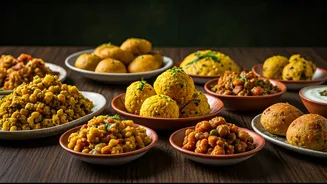
These 12 Indian dishes are a testament to the versatility and cultural importance of coconut in Indian cuisine. From savory curries and chutneys to sweet desserts and refreshing drinks, coconut enhances a wide range of flavors. These dishes represent the nation's diverse culinary landscape, uniting tradition, and innovation. They showcase the ability to create delicious and flavorful experiences. These culinary treasures offer a journey that explores the essence of India’s culinary art. The dishes have also been recognized internationally, solidifying their place in the world of gastronomy. Each dish stands as a monument to the culinary legacy of India, promoting the country's rich food heritage.