






Joining the Business
Yash Dongre reflects on his decision to join the family business, House of Anita Dongre (HOAD). Having grown up immersed in the fashion world, he developed
a natural interest in the company, particularly in marketing. He pursued a degree in international marketing from Hult International Business School in Boston, seeing it as a logical next step. Dongre recognized the need to bring a fresh perspective to a well-established brand. His mother, Anita Dongre, handled the creative side of the business, while his uncle and aunt managed finances and production, respectively. He also understood the importance of implementing a corporate structure, a move that set HOAD apart from other family-run businesses. This structured approach facilitated growth and enabled the introduction of foreign investment and senior management to oversee financial aspects.
International Expansion
As the business head, Dongre focused on the international expansion of HOAD. Three years prior, he relocated to New York to establish the brand's first flagship store in SoHo, Manhattan. His goal was to broaden the company's global presence. He recognized the demand for Indian fashion among the affluent South Asian community in the US and took pride in being the first Indian designer to open a store in SoHo, alongside prominent global fashion houses. This initiative was about proving his value and building a strong international presence for the brand from the ground up.
Menswear Collection
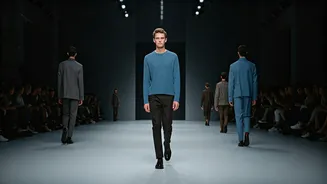
Dongre discussed the evolution of menswear within HOAD. The men's collections are an extension of the main brand. He noticed a gap in the market for understated yet stylish menswear, especially in traditional or fusion wear. He observed that many men were not comfortable shopping for ethnic wear, which led to the creation of designs that are classic but modern. The objective was to offer grooms and groomsmen comfortable and fashionable choices, moving away from heavily embellished styles. The collections offer a fresh perspective, presenting designs that are different from the norm, such as heavily embellished sherwanis, kurtas, and bandhgalas.
Personal Style Defined
Dongre describes his personal style as minimal-chic, favouring classic styles. A bandhgala layered over a shirt is his staple choice, offering versatility and suitability for different occasions. This combination works well with both denim and tailored trousers. It's akin to a three-piece suit for those who prefer not to wear a tie. The focus is on timeless, simple pieces that can be easily incorporated into the wardrobe. He prefers understated elegance, focusing on styles that are both fashionable and functional.
Adapting to Change
Dongre shared his views on how businesses should cope with the current economic downturn. He emphasized the importance of cost control, identifying that it is essential to focus on areas that contribute to larger expenses. He believes that businesses must run a more streamlined operation. He expects a rise in business by the beginning of the next year. He suggests managing salaries, rent, and inventory efficiently. He recommends the need to remain afloat and prioritize the well-being of the company and its employees.
Advice for Entrepreneurs
Dongre advises new entrepreneurs to see the current circumstances as a chance to learn from the challenges that larger companies face. With over 2,000 employees on their payroll, managing salaries, rent, and inventory can be challenging. However, small ventures can adapt and reinvent their strategies, focusing on cost-saving to scale up their businesses. He encourages young entrepreneurs to observe the mistakes of larger companies and learn from them. The pandemic has provided a unique opportunity to rethink business strategies and adopt sustainable modules.
Future of Fashion
Dongre anticipates significant changes in the fashion industry post-COVID-19. He predicts that brands will launch value lines due to reduced consumer spending on luxury items. He anticipates that more couture designers will introduce prêt collections. He expects a decrease in elaborate spending on fashion shows and events. He believes that digital marketing will take precedence. Dongre expects that brands will focus on creative, budget-conscious strategies. This shift will involve consolidating spending in marketing efforts.