


The Viral Bhindi Trend
The internet is awash with DIY skincare concoctions, but not all that glitters is gold, especially when it comes to 'natural' remedies. A recent viral
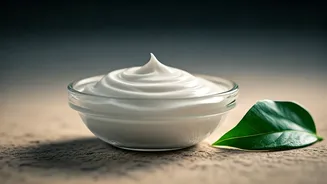
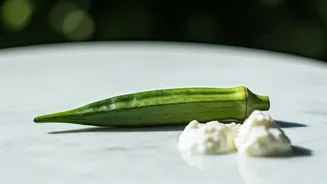
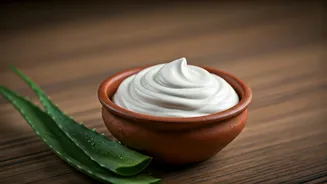
trend touts okra, or bhindi, as a potent ingredient for a homemade face mask, promising a younger-looking complexion, reduced acne, and skin whitening. These online tutorials often suggest a simple mixture of chopped lady's fingers and curd, to be applied for about 20 minutes. The proposed application frequency is typically once every two weeks, with claims that this paste can effectively combat signs of aging like wrinkles, and minimize acne scars and freckles. However, as with many trending hacks, the efficacy and safety of such remedies often lack substantial scientific validation, leading experts to question their real benefits for the skin.
Unpacking Okra's Alleged Benefits
Proponents of the bhindi face pack often cite several supposed advantages derived from its natural components. It's suggested that carotenoids present in ladyfingers play a crucial role in skin cell regeneration and repair. Furthermore, the rich vitamin content, including vitamins C and A, along with folate and calcium, is believed to contribute to a luminous complexion by sloughing off dead skin cells, thereby promoting healthier, more radiant skin. The paste is also advertised as a remedy for acne, with claims that its antioxidant and antifungal properties offer a cooling sensation to the skin, thereby soothing irritation and preventing breakouts. While curd, a common base for such remedies, is known for its lactic acid content which can gently exfoliate, the specific benefits attributed to raw okra on the skin remain largely unsubstantiated by scientific evidence.
Expert Opinions and Risks
Dermatologists express significant skepticism regarding the efficacy of okra as a topical skincare treatment. While curd's lactic acid offers some exfoliating potential, its combination with raw okra is viewed with caution. Dr. Rinky Kapoor, a consultant dermatologist, emphasizes that the fibrous nature of okra can be problematic when applied directly to the skin. This high fibrous content poses a risk of allergic reactions, particularly for individuals with sensitive, oily, or acne-prone skin. Instead of providing benefits, such raw applications could potentially exacerbate existing skin conditions, leading to increased breakouts, irritation, and heightened sensitivity. The general consensus among experts is that many online DIY skincare trends are not backed by rigorous scientific research, and what appears beneficial on a plate may not translate to positive skin outcomes.
Safer Skincare Alternatives
For those seeking effective skin whitening and overall skin health, dermatologists strongly recommend a routine built on scientifically proven active ingredients. Options like niacinamide, kojic acid, Azelaic acid, glycolic acid, and vitamin C are known to promote skin brightening and improvement. Beyond topical treatments, a holistic approach to skincare is crucial. This includes maintaining a balanced diet, staying adequately hydrated, consistently applying sunscreen to protect against sun damage, and incorporating regular physical activity, such as workouts exceeding 45 minutes. For significant or persistent skin concerns, consulting a qualified dermatologist is the most reliable path, rather than relying solely on unverified home remedies.