



Ancient Textile Traditions
India's rich textile heritage has been a foundation for its fashion throughout history. Skilled artisans have used methods that date back thousands of
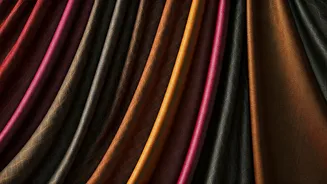
years. Early civilizations cultivated cotton, silk, and wool, which they then used to create fabrics of exquisite detail. These ancient traditions reflect not only the craftsmanship but also the cultural values of the era. They also serve as the cornerstone of many regional styles and techniques that are still employed today, like block printing and intricate embroidery. These skills traveled through generations, giving rise to unique regional identities, such as the vibrant patterns found in various states. In this way, fashion has always been more than just clothing; it is a means of storytelling and identity expression. It also connects the past and present in India’s cultural landscape.
Mughal Influence & Style
The Mughal Empire brought new dimensions to Indian fashion, importing refined tastes and artistic styles. The Mughals adopted luxurious materials and elaborate designs, which incorporated detailed embroidery, embellishments, and rich colors. The court’s clothing, including regal attire and jewelry, became a symbol of status and wealth. This era saw the introduction of new textiles, such as brocade, and the widespread use of precious stones and metals in clothing design. Mughal fashion also contributed to the rise of specific silhouettes and garments. Elements like the use of the salwar kameez and the sherwani, which have persisted over centuries, showcase a blending of Indian and foreign influences. Fashion served as a means to express imperial power and cultural sophistication.
Colonialism's Impact
The advent of British colonial rule brought important alterations to Indian fashion, introducing Western clothing styles and norms. British influence altered the prevalent clothing norms, particularly within the elite classes. The adoption of Western garments, like suits, gowns, and tailored clothes, was viewed as a symbol of modernity and progress. This period sparked a cultural transition where traditional attire was sometimes seen as backward. However, it also sparked a strong feeling of resistance among many Indians who valued their cultural heritage. The fashion scene therefore saw a blend of Western and Indian styles. The emergence of the Indian fashion industry thus served as a symbol of cultural identity in the face of colonial control.
Independence and Revival
India's independence marked a resurgence of indigenous fashion, as the nation strove to rediscover its cultural identity. The movement toward self-sufficiency spurred a return to traditional designs and materials. Designers began to explore the richness of Indian textiles and craftsmanship, incorporating them into modern designs. The promotion of handloom and khadi textiles was promoted to encourage local industries and symbolize resistance to colonial practices. Indian fashion design experienced a renaissance, drawing inspiration from regional traditions and modern aesthetics. This period saw the creation of distinct Indian fashion, which celebrated both cultural heritage and contemporary design elements. Fashion was a potent symbol of independence and national pride.
Modern Indian Designers
The latter half of the 20th century saw the emergence of numerous Indian designers who gained recognition internationally. These designers brought Indian fashion into the global scene, showcasing its distinctiveness. Designers like Ritu Kumar and Manish Malhotra helped create a new standard, combining traditional elements with Western influences to produce cutting-edge collections. These talents have made a major impact on the fashion industry, from haute couture to ready-to-wear collections. They also promoted Indian craftsmanship and fabrics on a global platform. With fashion weeks and international collaborations, they highlighted the creativity and brilliance of Indian design. They also helped solidify the prominence of Indian fashion.
Bollywood's Fashion Influence
Bollywood films have always been a key driver in shaping Indian fashion trends. The costumes showcased in movies and the fashion choices of Bollywood stars have significantly influenced the tastes of the public. Actors' and actresses' style choices, including clothing, jewelry, and hairstyles, are copied by fans. Fashion designers work closely with the film industry, producing innovative styles that capture audiences' attention. The connection between cinema and fashion has thus shaped a symbiotic relationship. Bollywood has introduced many trends. It has also helped make fashion more widely accessible and a part of everyday life. The entertainment industry's reach influences the entire fashion industry.
Contemporary Trends Emerge
Present-day Indian fashion is characterized by diversity and innovation, including many different influences, from tradition to global cultures. There is a greater emphasis on sustainability and ethical fashion, as consumers are becoming more aware of the environmental and social implications of their choices. Fusion styles, which combine traditional Indian elements with Western designs, are popular. Indian designers are also investigating new technologies and materials to produce cutting-edge designs. Additionally, the rise of e-commerce and social media has significantly changed the fashion industry by allowing increased consumer interaction and the rapid spread of trends. India's fashion is evolving, with constant shifts and changes, offering an exciting future.
Regional Fashion Spotlight
Each region of India has its unique fashion traditions, from the vibrant fabrics of Gujarat to the intricate embroidery of Kashmir. Traditional clothing styles, textiles, and jewelry serve as an expression of regional identities and cultural heritage. States such as Rajasthan, with its flamboyant and bright clothes, have unique characteristics. Also, states such as West Bengal, with its emphasis on silk saris, have their unique characteristics. The promotion of handcrafts and regional textiles highlights the diversity of Indian culture, as designers celebrate the artistry and the cultural significance of these local styles. This creates a rich tapestry of styles that highlights the variety of Indian fashion, offering a deep insight into the country's unique past.