






The Royal Mango
India's affection for mangoes is legendary, with summer markets overflowing with popular varieties like Alphonso and Kesar. Yet, beyond these widely available
fruits lies a world of rare mangoes, seldom seen or tasted by the general public. A recent viral post on X by industrialist Harsh Goenka brought one such gem into the spotlight: the Kohitur mango from West Bengal. Goenka's humorous remark about being unable to "afford" this exquisite fruit ignited widespread curiosity, revealing a story of royalty, limited cultivation, and unparalleled delicacy. The Kohitur is not just a seasonal fruit; it's a fascinating artifact of India's agricultural heritage, boasting a unique history and an incredibly fragile nature. Its story is a testament to the enduring allure of rare produce and the deep cultural significance of mangoes in India.
A Billionaire's Dilemma
The buzz around the Kohitur mango intensified following Harsh Goenka's widely shared post on the social media platform X. He elucidated that the Kohitur is an exceptionally scarce mango originating from West Bengal, traditionally associated with the region's regal past. Goenka highlighted its extreme rarity and prohibitive cost, stating it remained beyond the financial grasp of most individuals. When queried by a user about his personal collection, he wittily responded that he "can't afford" it. This statement, coming from a billionaire, surprised many and propelled the fruit into the online conversation, sparking interest in this enigmatic, once-royal delicacy.
Unveiling Kohitur's Origins
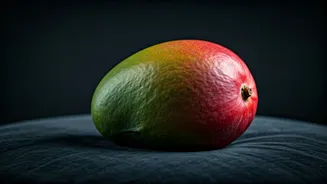
The Kohitur mango stands out as one of India's most distinctive traditional mango varieties. Its provenance traces back to Murshidabad in West Bengal, an area renowned for its rich history in mango cultivation. Historical accounts suggest the mango's existence dates back to the era of the Nawabs of Bengal. During this period, skilled horticulturists meticulously cross-bred various mango types to create new cultivars. It is believed that the Kohitur was developed by combining some of the finest mango saplings of the time, potentially including the rare Kalopahar variety. Over time, the fruit became exclusively linked with royal estates and affluent households, earning it the affectionate moniker of a 'royal mango' due to its distinguished lineage.
The Scarcity Factor
A primary reason behind the Kohitur mango's mystique is its extreme scarcity. Current reports indicate that only a handful of Kohitur trees are thought to exist today, predominantly found in specific regions of Murshidabad. In certain years, the total yield can be astonishingly low, sometimes as few as around 150 fruits, underscoring its exceptional rarity. This limited production means the fruit is rarely encountered in conventional marketplaces, typically known only to dedicated collectors, fruit connoisseurs, and enthusiasts of heritage agricultural produce. Such scarcity inevitably drives up its price, with reports suggesting a single Kohitur mango can command a price of Rs 1,500 or more, contingent on its availability and market demand.
Exceptional Fragility
Beyond its rarity, the Kohitur mango is distinguished by its remarkably delicate nature. Unlike the robust skin of most mangoes, this variety possesses an extremely fragile peel and pulp, requiring exceptionally careful handling. Cultivators often treat these mangoes with an almost reverential care, akin to handling precious artifacts rather than ordinary produce. It is common practice for the mangoes to be meticulously wrapped in soft cotton wool during both storage and transit to prevent any damage to their delicate skin. Furthermore, traditional methods often dictate avoiding the use of metal knives for cutting, with wooden knives being preferred to preserve the fruit's tender flesh.
Harvesting With Care
The process of harvesting Kohitur mangoes is as meticulous as their handling. Ancient records suggest that farmers employed gentle techniques when picking the fruit from the trees. Rather than using sharp tools that could harm the stem, they sometimes utilized bamboo splinters to delicately detach the mango from its branch. This specialized method aimed to prevent any bruising or damage to the fruit, which could adversely affect its flavor and overall quality. These traditional, painstaking harvesting practices highlight the immense value placed on this mango, particularly during its cultivation for royal consumption.
Taste and Aroma Profile
Due to its extreme rarity, very few individuals today have had the privilege of tasting the Kohitur mango. However, historical descriptions consistently portray the fruit as possessing an exceptionally soft and tender texture. The pulp was highly prized in royal kitchens for its smooth, rich consistency. Another hallmark of the Kohitur is its distinctive aroma, often considered one of the most defining characteristics of traditional mango varieties. Unlike commercially grown mangoes bred for mass distribution, the Kohitur has largely retained its original qualities, with its cultivation continuing on a small, dedicated scale.
Internet's Fascination Explained
The story of the Kohitur mango captured widespread attention primarily due to its unusual narrative. The notion that a fruit could be so expensive that even a billionaire like Harsh Goenka, with an estimated net worth exceeding Rs 37,000 crore, would remark on his inability to afford it, naturally piqued immense curiosity. Beyond this viral moment, the tale serves as a poignant reminder of the numerous rare culinary traditions that persist across India. In a nation where mangoes are widely celebrated as the 'king of fruits,' the Kohitur stands as a symbol of the exceptional treasures that remain exclusive rather than commonplace. This extraordinary mango continues to hold people's interest, connecting the historical grandeur of Murshidabad's royal orchards with contemporary social media discussions.