






Unveiling the Vine
The corkscrew vine, scientifically known as Cochliasanthus caracalla, is a remarkable climber originating from the tropical regions of South and Central
America. Its name comes from the distinctive, spiraling shape of its blooms, which resemble tiny nautilus shells, earning it the common moniker 'snail vine'. These captivating flowers display a beautiful palette of white, creamy yellow, and soft purple hues. Beyond their visual appeal, they emit a delightful, subtle fragrance reminiscent of an expensive candle, creating an inviting atmosphere outdoors. This vine boasts vigorous growth and an extended blooming period, from late spring right through to autumn, coinciding precisely with the active season for hummingbirds across many parts of the United States, making it an ideal addition for gardeners aiming to attract these energetic birds.
Hummingbird's Perfect Fit
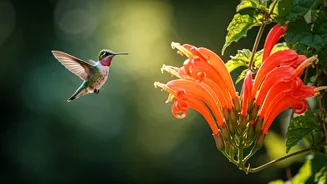
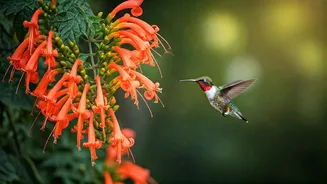
Hummingbirds possess a keen sense for nectar sources, and their feeding habits are intrinsically linked to specific flower shapes that complement their long beaks and tongues. The corkscrew vine's tubular and spiral-shaped blossoms are exquisitely designed for these agile birds, offering a perfect match for their anatomical needs. This botanical synergy isn't just coincidental; research published in a scientific journal indicates that the asymmetrical structure of the Cochliasanthus caracalla bloom is specifically adapted to reward certain pollinators, including hummingbirds. Furthermore, the vine's vibrant, warm-colored flowers also play a crucial role, as hummingbirds are famously drawn to bright and vivid hues. Studies on hummingbird foraging behavior confirm that these birds consistently favor flower sources that provide a dependable and generous supply of nectar, a characteristic the corkscrew vine reliably delivers throughout its extended bloom cycle, ensuring a continuous food source.
Effortless Cultivation
Cultivating the corkscrew vine is surprisingly straightforward, requiring minimal intensive care. While there are a few essential requirements, they are easily met without demanding significant lifestyle adjustments. The vine thrives in full sun, needing at least six to eight hours of direct sunlight daily, making south or west-facing locations ideal for trellises or posts. Consistent moisture is key; the soil should remain damp but never waterlogged, as the plant can wilt during dry spells, especially in hot weather. Potted specimens will dry out faster and necessitate more frequent watering. Ideally, the vine prefers well-drained, slightly acidic soil. For container growing, a high-quality outdoor potting mix is suitable. As a heavy feeder, it benefits from a balanced liquid fertilizer applied monthly throughout the growing season to promote robust blooming. Minimal pruning is required, typically a light clean-up in late winter or early spring before new growth appears. Pinching back the tips and removing dead or damaged stems in spring encourages a bushier, more compact growth habit.
Container Charm
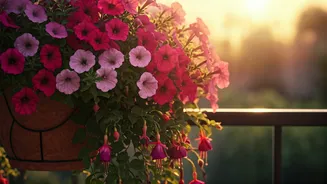
Given its rapid growth, many gardeners, especially those with limited space such as apartment dwellers with balconies or smaller yards, find that growing the corkscrew vine in a large container is an excellent strategy. This method effectively controls its size, allows for strategic placement to maximize sunlight exposure, and still achieves all its desirable qualities: abundant blooms, captivating fragrance, and potent pollinator attraction. A sizable pot placed near a patio door or secured to a balcony railing, with a simple trellis for support, is all that's needed. This approach democratizes the ability to enjoy this stunning vine, proving that a large backyard is not a prerequisite. Container growing offers flexibility, allowing the vine to be moved as needed to capture the sun's optimal rays, ensuring its health and prolific flowering even in compact urban or suburban settings.
Planting & Seasonal Care
For those residing in USDA zones 9 through 11, which include regions like Southern California, Arizona, Texas, Florida, and generally any area free from harsh freezes, the corkscrew vine can be enjoyed as a perennial, returning year after year. Planting should occur in the spring after the final frost has passed. Provide it with a sturdy structure to climb, and it will flourish. In cooler climates, it's best treated as an annual, offering a full summer display but not surviving the winter. Hummingbirds are not simply drawn by chance; they actively seek out the most rewarding food sources, and this vine is exceptionally competitive in that regard. Once established, it blooms for extended periods, possesses an enchanting scent, and demands very little in return. Considering its impressive performance, it's remarkably easy to source, cultivate, and maintain, making it a highly accessible and rewarding plant for any garden.