



The Olfactory Defense Line
Many gardeners find themselves in a constant struggle against wildlife that views their meticulously cultivated plants as a free meal. Instead of resorting
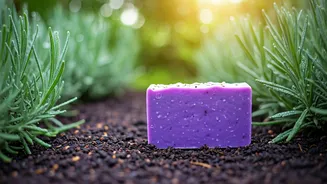
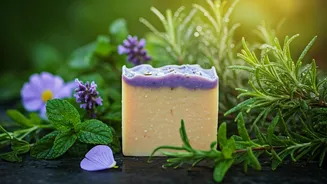
to chemical deterrents or costly electronic devices, a simple and surprisingly effective method has resurfaced: the humble bar of scented soap. This eco-friendly tactic involves creating an intangible 'smell fence' around your garden. By strategically placing strongly scented soap bars, often hung from branches or enclosed in mesh bags near vulnerable plants, gardeners can disrupt the keen senses of animals like deer and rabbits. The unfamiliar and potent aromas confuse their sense of smell, prompting them to seek food sources elsewhere rather than continuing their raids on your prized flowers and vegetables. This technique leverages an animal's natural instinct to avoid potentially unsettling scents, effectively redirecting them away from your garden's bounty and encouraging them to forage in less fragrant environments, thus safeguarding your plants without harming the wildlife.
Science Behind the Scent
The effectiveness of soap as a pest deterrent isn't just anecdotal; it's rooted in scientific understanding of animal behavior and physiology. Research, including studies from institutions like the University of Nebraska-Lincoln, indicates that the primary repellent qualities of soap come not just from its fragrance but from the fatty acids present, particularly those derived from animal tallow. When animals with sensitive noses, such as deer and rabbits, encounter these concentrated, unfamiliar fatty acid scents, it can trigger an innate avoidance response. This olfactory disruption is powerful enough to make them reconsider their meal plans. Furthermore, studies by the Connecticut Agricultural Experiment Station have validated soap's efficacy, with research showing that Ivory soap, for instance, could significantly reduce damage to certain plants, like Japanese yews, by nearly 38%. However, it's important to note that the 'sphere of influence' for a single bar is relatively limited, typically extending only about one meter, meaning strategic placement is crucial for optimal protection.
Beyond Large Pests
The utility of soap in the garden extends beyond deterring larger four-legged visitors; it also offers a solution for smaller, creeping pests. Diluted soap solutions have been recognized by organizations like Colorado State University Extension for their effectiveness in managing common garden insects such as aphids and spider mites. The mechanism behind this action involves the soap's ability to break down the protective outer layers of these insects, leading to dehydration and ultimately their demise. By incorporating soap into your garden's pest management strategy, you create a dual-layered defense system. This approach safeguards your plants not only from the more visible threats of deer and rabbits but also from the less apparent but equally damaging infestations of tiny garden pests, ensuring comprehensive protection for your entire garden ecosystem.
Eco-Friendly Approach
A significant driver behind the resurgence of soap as a garden deterrent is its inherent eco-friendliness, aligning with the growing trend towards sustainable gardening practices. Unlike synthetic chemical sprays that can potentially contaminate soil and seep into groundwater, pure soaps offer a gentler alternative. Reports from agricultural and environmental science departments highlight that vegetable-based or castile soaps are particularly environmentally sound choices. These contrast with detergents, which often contain petroleum-derived ingredients that can be harmful to delicate plant tissues. This commitment to natural methods ensures that gardeners can protect their produce and ornamental plants without compromising the health of their soil or the surrounding environment, making it a responsible and conscious choice for conscientious growers.
Maximizing Soap's Impact
While the concept of using soap is simple, achieving maximum effectiveness requires a bit of strategic planning and consistent effort. Research from institutions like the University of Vermont suggests that while basic soap bar placements are effective against mild pest pressure, animals can become accustomed to the scent over time. To prevent habituation, it is beneficial to periodically reposition the soap bars or to combine them with other non-harmful deterrents. This keeps the pests guessing and maintains the integrity of the 'smell fence.' Furthermore, studies from Cornell Cooperative Extension point out that highly fragrant deodorant soaps tend to be more potent. Most gardeners find placing the bars at an animal's 'nose level' yields the best results. However, gardeners must also contend with environmental factors; heavy rainfall can wash away the soap, necessitating regular replacement, ideally every few weeks, to ensure the scent barrier remains robust and effective throughout the growing season.