




Understanding Alopecia Areata
Alopecia areata is a perplexing hair loss condition characterized by its sudden onset and unpredictable nature. It stems from an autoimmune response where
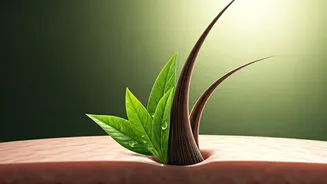
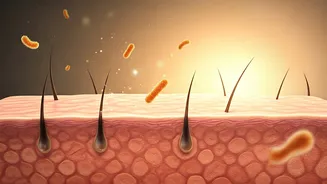
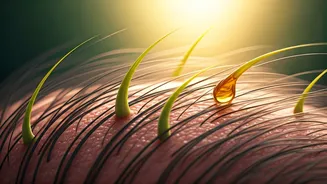
the body's own immune system mistakenly targets hair follicles, disrupting their normal growth cycle. While the follicles themselves remain viable, they are under constant immune assault, leading to hair falling out in patches. This condition is not an external problem but an internal one, driven by immune system activity, and can manifest in various ways, from rapid shedding to significantly slowed hair growth cycles.
The Shaving Myth Debunked
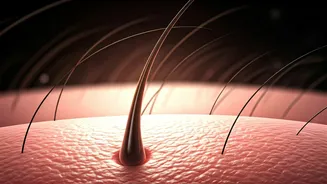
The notion that shaving one's head can cure or stimulate hair regrowth in alopecia areata is a pervasive myth without any scientific backing. While individuals might observe hair reappearing after shaving and mistakenly attribute it to the act of shaving itself, this is misleading. Shaving merely removes the visible hair shaft above the scalp and has no bearing on the underlying hair follicles or the immune system's activity. Therefore, there's no evidence to suggest that shaving can trigger hair regrowth or reset the hair growth cycle for those affected by this autoimmune disorder. Effective treatments focus on modulating the immune response, not on external hair removal.
Natural Regrowth & Coincidence
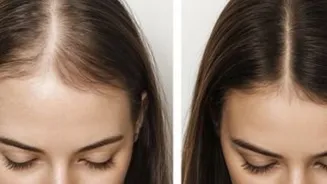
A significant reason for the persistence of the shaving myth is that spontaneous hair regrowth is a common occurrence in alopecia areata. Many individuals experience their hair growing back naturally within a year, and some even achieve complete recovery without any medical intervention. Conversely, relapses and the development of new hair patches are also possible. Consequently, if someone observes regrowth after shaving their head, it's far more likely to be a natural remission of the condition coinciding with the act of shaving, rather than shaving being the cause of the regrowth.
Effective Treatment Strategies
For managing alopecia areata, the most effective approach involves consulting a dermatologist. Treatments typically focus on suppressing the immune system's attack on hair follicles. These can include topical medications, immunotherapy, and in certain cases, Platelet-Rich Plasma (PRP) therapy. Beyond medical treatments, adopting gentle scalp care practices, ensuring a nutrient-rich diet, and implementing stress management techniques can also be beneficial, as stress can sometimes act as a trigger for flare-ups. It's important to understand that even popular natural remedies like applying onion juice or oils are unlikely to support scalp health in the context of an autoimmune trigger and should not be relied upon as primary treatments.