




The Workation Revolution
The landscape of Indian mountain tourism is undergoing a significant evolution, with younger generations and individuals working remotely increasingly
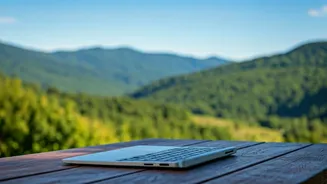
opting for extended stays rather than brief getaways. This shift is largely attributed to the widespread adoption of remote work policies, which liberate professionals from fixed office locations. Consequently, quaint mountain towns across Himachal Pradesh, Uttarakhand, and other northern regions are experiencing a surge in demand for month-long accommodation packages. These aren't your typical hotel rooms; instead, homestays and hostels are innovating by offering comprehensive amenities tailored for long-term guests. Imagine reliable, high-speed Wi-Fi essential for virtual meetings, dedicated co-working spaces, fully equipped kitchens for self-catering, and convenient laundry services. This setup transforms these locales into functional, comfortable, and inspiring temporary homes, blurring the lines between travel and daily life for individuals seeking a slower pace and a change of scenery without compromising their professional commitments. The visual narrative on platforms like Instagram, showcasing serene mountain vistas and productive work setups, has further amplified this aspirational lifestyle, drawing in a new wave of travelers eager to experience this blended way of living.
Host Appeal: Stability & Value
For property owners in India's beloved hill stations, the increasing popularity of month-long stays presents a welcome opportunity to bolster business stability. Mountain destinations often grapple with pronounced seasonality, experiencing a significant downturn in occupancy once peak tourist seasons conclude. The influx of long-stay guests helps to counteract this by providing a more consistent revenue stream throughout the year, reducing reliance on fleeting weekend visitors or holiday crowds. This predictable income is invaluable for managing operational costs and investing in property upkeep. Furthermore, many hosts are finding that by bundling services like Wi-Fi, meals, and workspace access into attractive monthly packages, they can offer compelling value. This approach shifts the focus from premium luxury to affordability and lifestyle enhancement, making extended stays a more attractive proposition. As demand for these 'workation' packages grows, more listings on various travel platforms and social media channels are explicitly highlighting these extended stay options, recognizing the changing preferences of modern travelers and the economic benefits they bring to local communities.
Instagram's Scenic Influence
Social media platforms, particularly Instagram, have emerged as powerful catalysts in popularizing the 'slow living' aesthetic associated with mountain towns. Visual content depicting tranquil mornings amidst pine trees, productive work sessions from charming cafes, and extended sojourns in remote valleys has profoundly influenced younger demographics. The allure of escaping the frenetic pace and pollution of urban environments for cleaner air and a more serene existence is particularly resonant among a generation experiencing burnout. This trend signifies a departure from the conventional travel mindset of rapidly checking off destinations from a list. Instead, the emphasis has shifted towards deeply experiencing a place over an extended period, integrating work with local exploration, patronizing neighborhood cafes, and discovering hiking trails at a leisurely pace. This mirrors the broader global movement towards 'slow travel,' prioritizing immersion and longer durations in a single locale over rushed, multi-stop itineraries. The aspirational imagery shared online effectively sells not just a destination, but a desirable lifestyle that appeals to those seeking balance and a richer connection with their surroundings.
Budget-Friendly Escapes
The financial aspect plays a crucial role in the burgeoning trend of extended stays in Indian mountain towns. For many, relocating temporarily to these scenic locales proves to be considerably more economical than maintaining their urban residency. The cost of renting an apartment in a major metropolitan city often dwarfs the monthly expenses for a comfortable stay in a hill station. Budget-friendly hostel dormitories or simple private rooms can be secured for as little as Rs 8,000 to Rs 15,000 per month. More comfortable mid-range 'workation' packages, complete with private rooms, dependable Wi-Fi, and other amenities, typically range between Rs 20,000 and Rs 40,000. Smaller, less commercialized destinations such as Jibhi, Tirthan Valley, Banjar, and specific areas within Kangra and Palampur are gaining traction precisely because they offer quieter environments at lower price points than more established hill stations. This economic advantage makes the proposition straightforward: a month spent living and working in the mountains can often be more affordable than remaining in a city, all while offering a vastly different and potentially more fulfilling lifestyle. Recent travel data supports this, showing a significant increase in longer stays and off-season travel among Gen Z and young professionals, indicating a clear preference for immersive experiences over quick, multi-destination trips.