







Lactose Intolerance Link
Many individuals grapple with heartburn that antacids fail to alleviate, and one significant, frequently overlooked factor is lactose intolerance. Dr.
Saurabh Sethi, a gastroenterologist with Harvard and Stanford training, points out that a substantial portion of the global population, nearly two-thirds, experiences some degree of difficulty digesting lactose. When this sugar isn't broken down efficiently in the digestive system, it can lead to an accumulation of gas and abdominal bloating. This increased pressure within the abdomen can then exacerbate existing reflux issues, pushing stomach contents back up into the esophagus and causing that familiar burning sensation, even if you're diligently taking antacids to neutralize stomach acid. Therefore, if your heartburn persists, considering your body's reaction to dairy products might be a crucial step in identifying the root cause of your discomfort rather than just masking the symptom.
H. pylori Infection
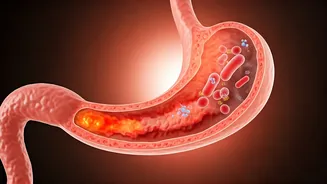
Another prevalent, yet often undetected, contributor to persistent heartburn is an infection by the bacterium Helicobacter pylori, commonly known as H. pylori. This microorganism resides in the stomach of a significant number of people worldwide and has the potential to provoke inflammation in the stomach lining. Beyond inflammation, H. pylori can also interfere with the normal balance of acids within the stomach. This disruption in acid dynamics can manifest as various upper gastrointestinal complaints, including symptoms that mimic or directly contribute to acid reflux and a burning sensation. Dr. Sethi emphasizes that while these aren't the sole causes of all reflux cases, for individuals experiencing ongoing, unyielding symptoms, investigating an H. pylori infection through non-invasive tests like breath or stool analysis, followed by appropriate treatment if positive, is a recommended course of action to effectively manage the condition.
Clinical Recommendations
When persistent heartburn resists standard antacid treatment, a physician's guidance is essential to pinpoint and address the underlying issue. Dr. Sethi offers practical advice for suspected culprits. If lactose intolerance is deemed a possibility, he suggests a trial period of eliminating lactose from your diet, perhaps by opting for lactose-free dairy products or plant-based alternatives, and closely observing whether your symptoms improve. Conversely, if H. pylori infection is the primary concern, non-invasive diagnostic methods such as a breath test or a stool test are recommended. Should these tests confirm the presence of the bacterium, targeted treatment can then be initiated to eradicate the infection and, consequently, resolve the related reflux symptoms. He stresses the importance of treating the root cause, not just the immediate symptom, especially if symptoms are severe or unresponsive to initial therapies.