




Unpacking the Trend
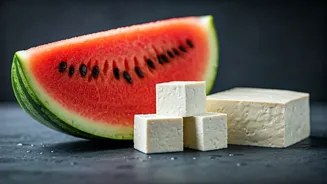
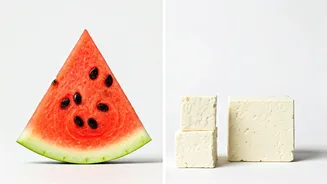
A novel culinary creation, paneer crafted from watermelon seeds, has recently captured the attention of social media users, with many promoting it as a superior
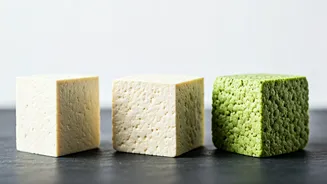
vegetarian protein source over conventional paneer or tofu. These content creators often suggest that this innovative alternative is easily reproducible in home kitchens. However, the central question remains: does this trend hold up under scrutiny from a nutritional perspective? To address this, insights from nutrition professionals were sought, aiming to demystify the claims surrounding watermelon seed paneer and provide a clearer understanding of its place in a balanced diet. The consensus is that it's not inherently 'better' but rather a distinct option catering to specific dietary needs.
Nutritional Showdown: Protein & Fat
When examining the protein content, traditional paneer emerges as a clear frontrunner, offering the highest protein per 100 grams, making it exceptionally beneficial for muscle development and post-exercise recovery. Tofu, while slightly behind in protein quantity, is lauded for providing complete protein, containing all essential amino acids, which is particularly valuable for vegetarians. Watermelon seed paneer occupies a middle ground, delivering a moderate amount of protein, though it does not outshine either paneer or tofu in terms of either the quality or the sheer volume of protein. Regarding fat content, dairy paneer is often high in saturated fats, which might be a concern for individuals managing cholesterol levels or aiming for weight loss. Tofu presents a heart-friendlier profile with lower fat content, making it a preferred choice for conditions like PCOS, weight management, and cardiovascular health. Watermelon seed paneer derives its fats from the seeds, predominantly unsaturated and healthier than saturated fats, but it remains calorie-dense, not a low-calorie alternative. Watermelon seeds themselves are rich in healthy fats, some protein, and essential minerals like magnesium and iron. Thus, paneer made from them has a respectable nutrient profile, but its protein content generally lags behind dairy paneer, and its higher fat contributes to increased calories, necessitating mindful portion control.
Broader Health & Practicality
Beyond macronutrients, paneer contributes valuable calcium and vitamin B12, essential for many, especially those on vegetarian diets. Tofu offers benefits for heart health, hormonal equilibrium, and overall metabolic function. Watermelon seed paneer's primary advantages lie in being dairy-free and cholesterol-free. However, it's crucial to note that there's a lack of robust scientific evidence to support claims of its superiority over well-established options like tofu or traditional paneer. Furthermore, the practicality and efficiency of viral food trends are often influenced more by marketing than genuine nutritional advantages. To achieve the protein levels found in paneer, one might need to consume a significantly larger quantity of watermelon seeds, rendering it less efficient as a primary protein source for those with high protein requirements.
Tofu: The Balanced Alternative
Tofu frequently stands out as a well-rounded nutritional choice. It is plant-based, boasts a relatively high protein content, and is notably lower in saturated fat compared to paneer. Additionally, tofu provides iron and, if fortified, can be a source of calcium. For individuals adhering to vegetarian or vegan lifestyles, tofu generally serves as a more reliable source of protein than alternatives derived from seeds. Its balanced nutritional profile makes it a versatile ingredient suitable for a wide range of dietary needs and preferences, often recommended for its digestive ease and overall health contributions.
Who Should Try It?
Watermelon seed paneer can be a fitting option for individuals who are lactose intolerant, follow a vegan diet, or are simply keen on diversifying their food choices. It's also beneficial for those looking to incorporate more plant-based fats and minerals into their diet. However, it's important to manage expectations; it should not be viewed as a direct, one-to-one protein replacement for traditional paneer or tofu. Its unique composition offers a different set of benefits, making it an interesting addition to a varied diet rather than a substitute for established protein staples. It caters well to those seeking plant-based options that are free from dairy and cholesterol.
Making Watermelon Seed Paneer
The process of creating watermelon seed paneer at home is quite straightforward. Begin by soaking approximately 250 grams of hulled watermelon seeds overnight. The next day, blend these soaked seeds with 1 liter of water until smooth. This mixture is then strained thoroughly using a muslin cloth to extract the liquid, which serves as the 'milk'. Subsequently, this procured milk is heated gently over a low flame, with the option to add seasonings and salt according to personal preference. To induce curdling, the milk can be left to curdle naturally or a mixture of vinegar and water (in a 1:3 ratio) can be added. Once curdled, it is strained again. Finally, place a weight on the resulting curd (chenna) for about 2 to 3 hours to compress it into a firm paneer block.
Strategic Dietary Integration
Each of these dairy alternatives—paneer, tofu, and watermelon seed paneer—serves distinct nutritional purposes. Traditional paneer excels in delivering high protein content but is higher in fat. Tofu offers a leaner, more balanced nutritional profile, suitable for overall health. Watermelon seed paneer provides an interesting dairy-free variation, notable for its healthy fats. Rather than considering a strict replacement, the most effective approach is to rotate these options, aligning your choices with specific nutritional objectives and dietary patterns. For instance, if the primary goal is significant protein intake and muscle enhancement, paneer might be the top choice. Tofu remains the most balanced option for general well-being, weight management, and addressing hormonal concerns. Watermelon seed paneer can be incorporated periodically as a plant-based substitute, but it's advisable not to perceive it as nutritionally superior to the more established alternatives.