


Know Your Varieties
Before you dig, understand the distinct growth habits of your tomato plants. Tomatoes are broadly categorized into two types: determinate and indeterminate.
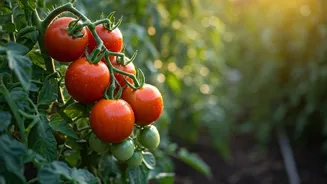
Determinate varieties are more compact, growing to a fixed height and then dedicating their energy to producing fruit over a concentrated period, making them generally easier for gardeners. Think of compact patio types or many paste and slicer tomatoes. In contrast, indeterminate varieties are the vining superstars that continuously grow, sprawl, and produce fruit throughout the entire growing season until the first frost. These include popular heirlooms, cherry, and grape tomatoes, and they are the ones known for their impressive ability to cover a significant area if given the chance. Recognizing which type you're planting is the crucial first step in providing them with the appropriate amount of space.
The Spacing Numbers
Determinate tomato plants, with their predictable growth, benefit from being spaced between 2 and 2.5 feet apart. While a small seedling might look lonely in such a large gap, resist the temptation to bunch them together. This space is vital because crowded plants are locked in a constant battle for essential resources like sunlight, water, and nutrients, inevitably leading to underperformance. For the ever-expanding indeterminate varieties, your spacing strategy shifts based on your support system. If you're employing stakes or cages, aim for 2.5 to 3 feet between each plant. However, if you prefer a more traditional, sprawling approach where plants cover the ground, you'll need to generously provide at least 4 feet of separation. This ample room is non-negotiable as the plants will expand considerably by late summer. Don't forget row spacing, either; most varieties require 4 feet between rows, and unsupported indeterminate plants may need up to 6 feet to ensure easy access and prevent accidental damage during the peak growing season.
Disease Prevention Power
Beyond simply allowing plants room to grow, proper spacing is a powerful tool for staving off diseases. When tomato plants are packed too closely, the resulting lack of air circulation creates a humid microclimate that is a breeding ground for fungal infections. Conditions like early blight and Septoria leaf spot thrive in such environments. Research highlights that employing cultural practices, including thoughtful row spacing, staking, and even strategic pruning, can significantly improve disease management. By providing adequate space, you enhance airflow, reduce overall humidity, and allow foliage to dry much more quickly after rain or dew. This rapid drying significantly shortens the window of opportunity for fungal spores to take hold and spread, keeping your plants healthier and more resilient.
Maximizing Your Yield
The impact of spacing extends directly to the quantity and quality of the fruit you harvest. Field studies have demonstrated that when tomato plants are planted too close together, especially between rows, they face heightened competition for vital resources such as light, water, and soil nutrients. This competition can manifest as smaller fruits, an increased incidence of fruit cracking, and a greater vulnerability to both insect pests and diseases. While the instinct to plant as many seedlings as possible might seem logical, it's often more effective to focus on planting smarter by providing adequate space. This strategic approach ensures that each plant can access the resources it needs to produce a more abundant and higher-quality harvest, ultimately leading to a more satisfying gardening experience.
Simple Tools, Big Results
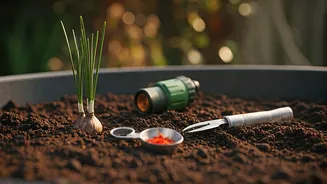
Making the most of your tomato planting doesn't require complex techniques. A simple measuring tape is an indispensable tool that can prevent common mistakes. Relying on guesswork for spacing can lead to plants being placed significantly closer than recommended, for instance, 18 inches apart when 30 inches is needed. Taking just an extra couple of minutes to measure will save you weeks of frustration and a season of disappointing yields. For indeterminate varieties, remember to install cages or stakes from the very beginning, rather than waiting until the plant has already started to droop. Regularly pruning the 'suckers' – those small shoots that emerge between the main stem and branches – is also beneficial. This practice redirects the plant's energy from producing excess foliage to focusing on fruit development, further combating issues associated with overcrowding. If your gardening space is limited, such as on a container garden or a small urban patio, opt for compact determinate varieties like 'Tiny Tim,' 'Tumbler,' or 'Bush Early Girl.' These are specifically bred to remain within a 2-foot footprint while still delivering a reliable harvest.