






Spotting Deceptive Communications
Travelers are increasingly becoming targets for fraudsters who are employing various tactics to obtain sensitive personal and financial details. These
malicious actors often impersonate reputable organizations, including airlines, by using deceptive emails, text messages, engaging pop-up advertisements, and even direct phone calls. The ultimate aim is to trick unsuspecting individuals into divulging confidential information such as login credentials for online accounts or critical credit card numbers. It is crucial for passengers to exercise extreme caution and remain vigilant against these sophisticated schemes, recognizing that official organizations will rarely request such information through unsolicited channels.
Securing Your Loyalty Account
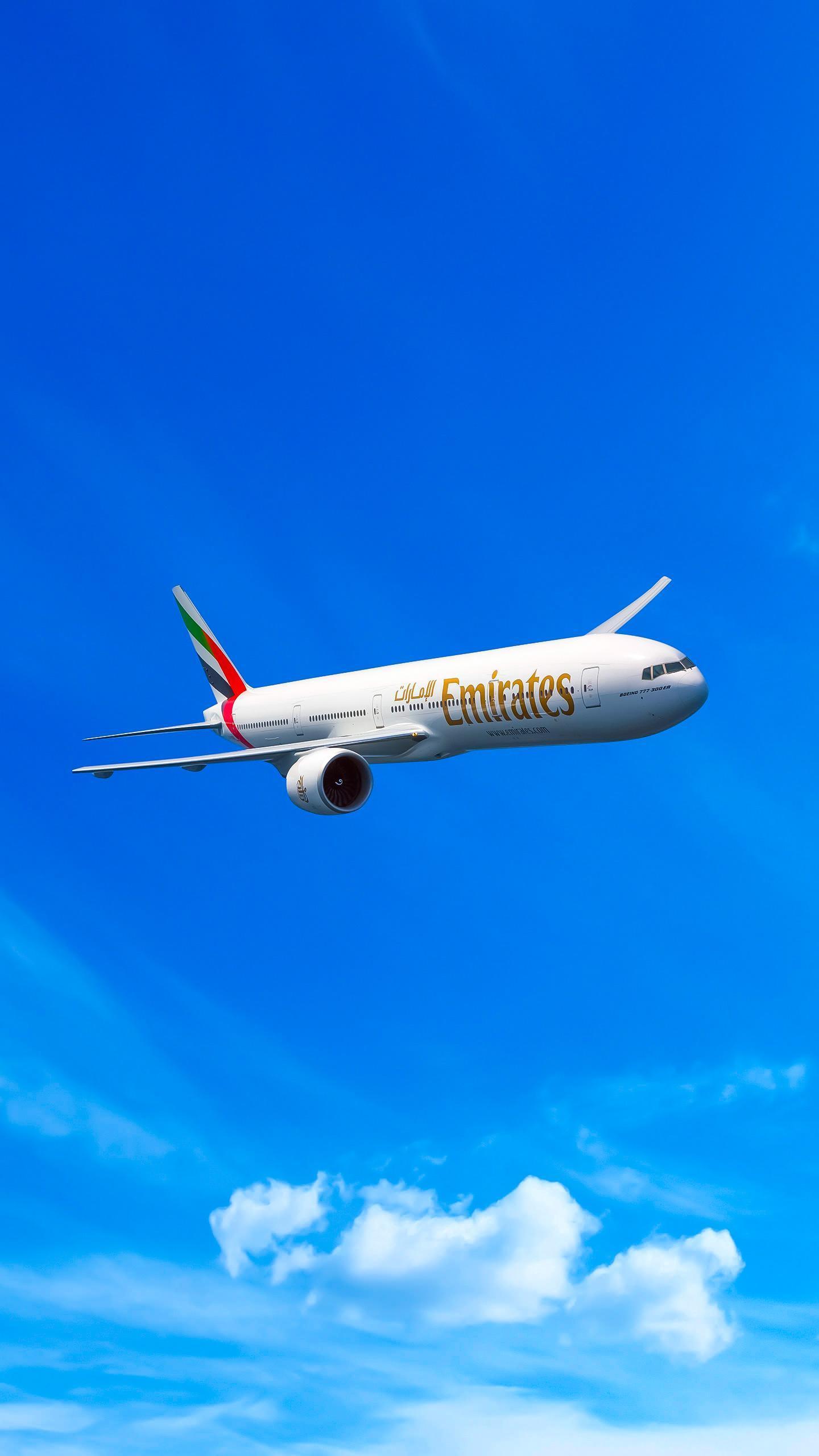
For members of loyalty programs like Emirates Skywards, safeguarding your account is paramount. You should never share your Skywards ID password with anyone, as the airline explicitly states it will never ask for this information, even when providing customer support or verifying your identity. If you have any suspicion that your account details may have been compromised, it's vital to change your password immediately. This swift action is the best defense against unauthorized access and potential misuse of your account and associated rewards.
Beware of Dubious Calls
Be incredibly wary of unexpected phone calls that claim to be from airline representatives. Scammers often employ high-pressure sales tactics or use persuasive language to manipulate you into sharing essential information or even sending money. They might even use phone numbers that closely resemble official company lines to enhance their deception. Before disclosing any details, it is imperative to confirm the caller's identity. If you sense anything unusual or suspicious about the conversation, do not hesitate to hang up immediately and contact the airline directly through their verified contact channels.
Identifying Phishing Emails
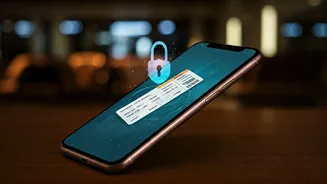
Fraudulent emails and text messages are frequently designed to mimic genuine airline communications, often incorporating official logos and formatting to appear legitimate. It's wise to avoid clicking on any links or opening attachments in messages you haven't solicited or that seem suspicious. If you need to update or verify personal information, it is always best to contact the airline directly. Key indicators of a phishing attempt include mismatched sender email addresses or phone numbers, generic greetings like 'Dear customer' instead of your name, links that redirect to unfamiliar websites, requests for sensitive financial or personal data, and unexpected attachments.
Reporting Suspicious Incidents
Emirates encourages its customers to report any suspicious emails or messages purporting to be from the airline. By forwarding these communications to the airline's designated abuse reporting address, you help them investigate these fraudulent activities. While the reporting inbox is actively monitored, you might only receive an automated confirmation of your report. Maintaining a high level of vigilance and consistently using only official airline channels are your most effective strategies for protecting your accounts and avoiding falling prey to online travel scams.