





Sustainable Fashion's Rise
The fashion industry's impact on the environment has prompted a wave of change, and within this shift, sustainable fashion is at the forefront. Designers
are increasingly focused on incorporating eco-friendly practices, aiming to minimize waste and pollution. This includes using innovative materials, such as those created from recycled plastic, and implementing ethical production methods. The shift towards sustainability also involves transparent supply chains, ensuring fair labor practices, and reducing the industry's overall carbon footprint. Initiatives like Paiwand Studio and Plasticvalla exemplify the creative reuse of waste materials, demonstrating that fashion can be both stylish and environmentally conscious. These efforts signify a move towards a more responsible and conscious fashion industry in India, where environmental considerations are becoming integral to design and production.
Water Conservation's Importance
Water scarcity is a pressing environmental issue, and the fashion industry plays a role in both its consumption and pollution. Textile production often requires vast amounts of water for dyeing and processing, making water conservation a critical aspect of sustainable practices. Designers and brands are exploring water-efficient dyeing techniques, using natural dyes, and promoting water recycling in manufacturing processes. The goal is to reduce the environmental impact of fashion and support the responsible use of water resources. Moreover, the industry is seeking ways to minimize water pollution caused by chemical runoff from textile production, protecting both ecosystems and communities that depend on clean water. This focus on water conservation is not just about the environment; it is also about ensuring the long-term viability of the fashion industry and protecting essential resources.
Innovative Materials' Exploration
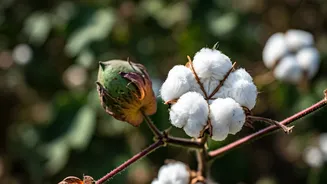
The quest for sustainability is driving innovation in fashion materials. Designers are actively experimenting with novel fabrics derived from sustainable sources. This includes exploring alternatives to traditional materials, such as organic cotton, hemp, and innovative materials made from recycled textiles or agricultural waste. These innovative textiles reduce the reliance on resource-intensive and environmentally harmful materials, creating more eco-friendly options. The use of these materials contributes to minimizing the environmental impact of fashion, reducing waste, and supporting the transition to a circular economy. As these sustainable materials become more widely available, they are reshaping the fashion landscape, offering consumers stylish and ethically produced choices. The adoption of these materials marks a pivotal step in the evolution of the fashion industry towards greater environmental consciousness and responsibility.
Cultural Heritage's Influence
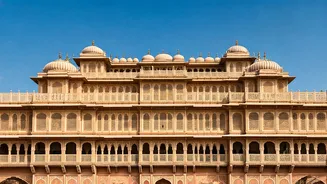
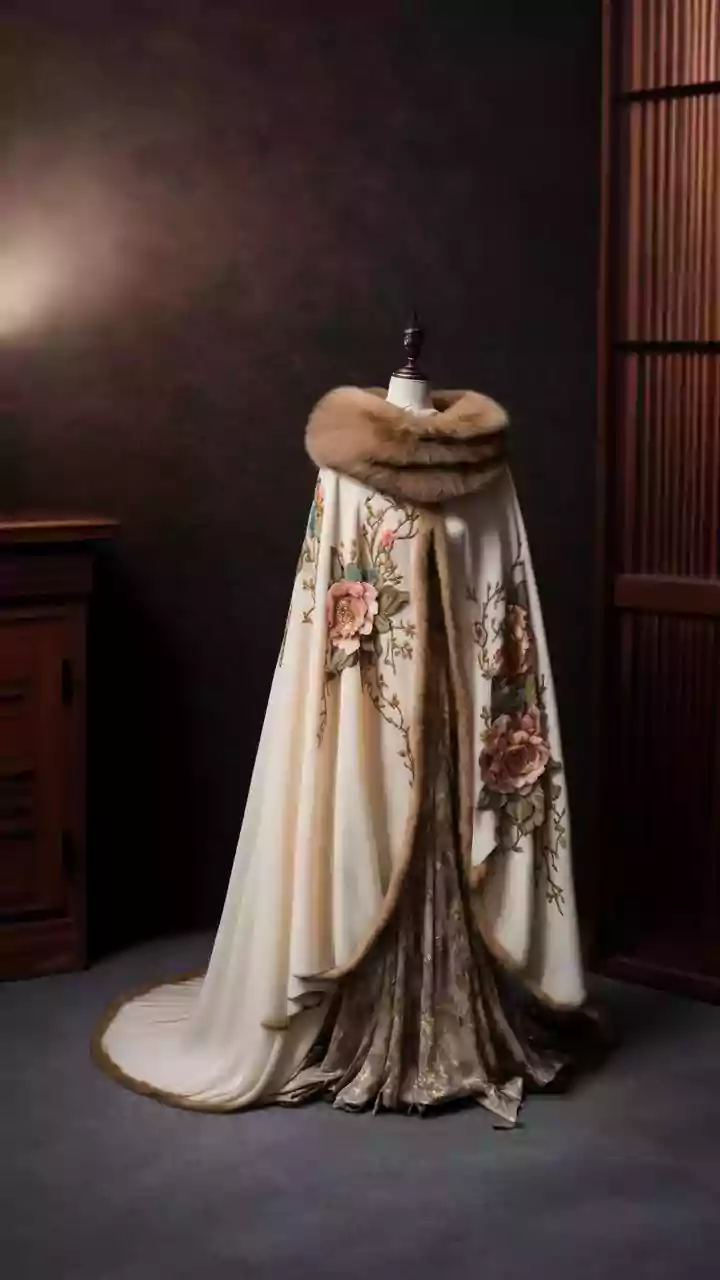
Fashion in India draws deeply from its rich cultural heritage. Designers are often inspired by traditional crafts, textiles, and techniques, which helps preserve and showcase the nation's diverse artistic traditions. The incorporation of indigenous crafts, such as handloom weaving and embroidery, not only provides a cultural context but also supports local artisans and communities. By celebrating these traditions, fashion becomes a vehicle for preserving heritage while also creating unique and meaningful designs. This fusion of tradition and modernity creates a distinct Indian aesthetic that resonates both locally and internationally. The influence of cultural heritage in fashion demonstrates how style can be intertwined with cultural identity and social responsibility, celebrating India's history and contributing to the livelihoods of craftspeople.
Waste Reduction Strategies
Addressing waste management is crucial for the sustainability of the fashion industry. Brands are implementing various strategies to minimize waste, including the design of durable garments that last longer, upcycling existing materials, and promoting recycling programs. Reducing the amount of textile waste that ends up in landfills is a top priority. Designers are also embracing circular design principles, which involve creating products that can be easily disassembled and repurposed. The industry's efforts to reduce waste extend to packaging, aiming for minimal, eco-friendly solutions. By adopting these practices, the fashion industry can reduce its environmental impact, conserve resources, and pave the way for a more sustainable future. This involves both rethinking design processes and promoting consumer awareness to make responsible choices.