




Sponges: Germ Magnets
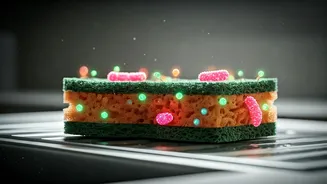
Kitchen sponges, indispensable for daily cleaning, can unfortunately transform into a thriving environment for microscopic organisms. Their porous nature,
combined with constant exposure to food particles and moisture, creates an ideal incubator for bacteria. These damp, food-laden surfaces allow germs to multiply rapidly, potentially reaching millions within a single sponge. Without diligent care, this everyday cleaning tool can inadvertently become a vector for spreading microbes across your kitchen, rather than eradicating them. The warm, humid conditions prevalent in most kitchens further accelerate this microbial growth, making vigilant hygiene practices paramount.
The Cross-Contamination Risk
A significant concern arises from how sponges can transfer harmful bacteria from raw foods to other surfaces and utensils. Pathogens like Salmonella and E. coli, often present in uncooked meats, seafood, or unwashed produce, can easily adhere to a sponge during cleaning. Once contaminated, the sponge can then deposit these dangerous microbes onto clean dishes, cutlery, or countertops during subsequent use. This phenomenon, known as cross-contamination, poses a serious threat to food safety. Without meticulous hygiene protocols, it significantly elevates the chances of individuals contracting foodborne illnesses, making proper handling and cleaning of kitchen sponges a critical preventative measure.
Disinfection Methods Explored
Many households resort to microwaving or boiling sponges to combat germ proliferation. While these heat-based methods are effective at reducing the bacterial population, they may not achieve complete sterilization. Dr. Vineeta Singh Tandon notes that intense heat can obliterate a vast number of microorganisms, but some resilient bacteria might survive, particularly in heavily soiled sponges. To maximize effectiveness, microwaving a damp sponge for approximately one minute or submerging it in extremely hot water can significantly decrease the microbial load. However, these methods serve to mitigate, not entirely eliminate, the bacterial presence.
When to Replace
Regular replacement is as crucial as cleaning for maintaining a hygienic kitchen environment. Experts recommend frequent washing or disinfection of your sponge. However, even with diligent cleaning, a sponge should typically be replaced every one to two weeks, depending on its usage frequency. Beyond a strict timeline, physical indicators like the development of unpleasant odors or visible signs of wear and tear are clear signals that the sponge has reached the end of its useful life and should be discarded immediately. This proactive approach helps prevent the accumulation of harmful bacteria.
Potential Health Impacts
While contaminated kitchen tools most often lead to mild gastrointestinal distress such as vomiting, diarrhea, or stomach cramps, the consequences can be more severe in certain situations. In rare instances, particularly for vulnerable populations including the elderly, young children, or individuals with compromised immune systems, infections caused by bacteria like E. coli or Salmonella can escalate. These can result in serious complications affecting vital organs like the kidneys. Maintaining a clean kitchen, adhering to regular sponge replacement schedules, and practicing safe food handling techniques are essential steps to substantially minimize these health risks.